Can dogs eat sweet potatoes?
Short answer
Yes, dogs can eat sweet potatoes, but only cooked and peeled, and in small amounts. Raw sweet potato is hard to digest, and larger portions strain digestion because of the high starch content.
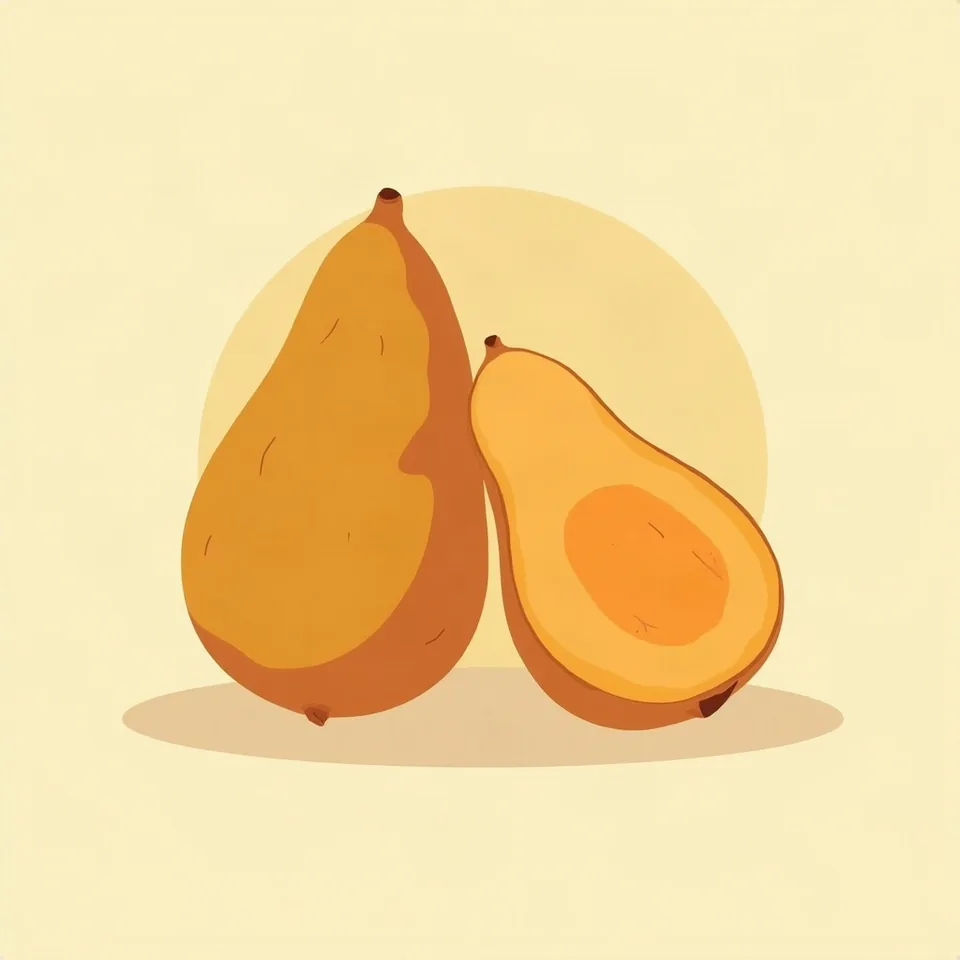
Sweet potatoes are a safe vegetable for dogs when cooked and served in a reasonable portion. They provide fiber and vitamin A, but the starch and sugar content means they shouldn't be an everyday staple. Here's how much to feed and how to prepare it safely.
Why only in moderation
Sweet potatoes contain complex carbohydrates, fiber, beta-carotene (provitamin A), potassium, and vitamin C. Cooked and mashed, they're easy to digest and are even used in some commercial veterinary diets as a carbohydrate source, especially for dogs with sensitive stomachs.
The catch is the high starch content. Sweet potatoes have significantly more carbs than something like carrots or zucchini, and regularly feeding large portions can contribute to weight gain and may worsen blood sugar control in dogs with diabetes or a predisposition to it.
Raw sweet potato is tough and contains resistant starch that a dog's digestive system handles poorly, raising the risk of bloating, constipation, or, worse, a large piece getting stuck in the esophagus or intestine. Cooking breaks down the starch and makes it easier to absorb.
The skin itself isn't toxic, but it's tough and fibrous, so it's best removed before serving, especially for small dogs prone to digestive upset.
How to serve sweet potatoes
- Always peel the sweet potato and boil or bake it plain, no salt, spices, butter, or sugar, until soft.
- Mash it or cut it into small pieces sized for your dog to prevent choking.
- Skip sweet potato fries, chips, or fried versions, which contain salt, fat, or seasonings that don't sit well with dogs.
- Introduce it gradually, starting with a small portion, and watch for changes in stool or behavior.
- Cooked sweet potato can be mixed into regular food as a fiber boost, not as a replacement for a complete diet.
Rough portion
Small dog (under 22 lb): 1–2 teaspoons (about 5–10 g / 0.2–0.35 oz) of cooked sweet potato; medium dog (22–55 lb): 1–2 tablespoons (about 15–30 g / 0.5–1 oz); large dog (over 55 lb): 2–4 tablespoons (about 30–60 g / 1–2 oz), no more than 2–3 times a week as a topper, not a replacement for regular food.
Risks
- Weight gain and blood sugar swings from regularly feeding large portions.
- Bloating, constipation, or diarrhea from raw or oversized amounts of sweet potato.
- Choking or blockage risk from a large piece of raw sweet potato, especially in small breeds.
- Added fats, salt, or spices in prepared versions (mashes, fries) can irritate the digestive tract or trigger pancreatitis.
Symptoms to watch for
- Bloating and gas
- Constipation or diarrhea
- Vomiting after a large portion
- Loss of appetite from digestive irritation
Your dog already ate sweet potatoes. What now?
- If your dog eats a small piece of cooked sweet potato, there's usually no cause for concern; just monitor their stool.
- If they eat raw sweet potato or a large piece, watch for 24–48 hours for vomiting, loss of appetite, or trouble passing stool.
- If vomiting continues, the belly looks bloated, or your dog hasn't had a bowel movement in 2 days, see a vet since a blockage is possible.
Common questions about dogs and sweet potatoes
Can dogs eat raw sweet potatoes?
It's not a good idea. Raw sweet potato is tough and contains resistant starch that's hard to digest, and it raises the risk of bloating or a piece getting stuck in the throat or gut. Always cook or bake it plain before feeding, with no seasoning or salt.
How much sweet potato can a dog eat per day?
It depends on the dog's size: a small dog needs only 1–2 teaspoons, while a large dog can have 2–4 tablespoons of cooked sweet potato, and only a few times a week. Sweet potato should be a topper, not a substitute for a complete diet, since it's fairly high in starch.
Can I give my dog canned sweet potato puree?
No, not if it contains added sugar, spices (like cinnamon or nutmeg), or added fats. Plain cooked sweet potato puree with no additives, ideally homemade, is the only safe version.
Can puppies eat sweet potatoes?
A small amount of cooked, mashed sweet potato is usually fine for a puppy, but a young dog's digestion is more sensitive, so keep the portion smaller than for an adult dog and watch how they handle it.
Other good treats
Can dogs eat carrots?
Yes, carrots are safe for dogs and rank among the best treats you can give them. They're low in calories, full of fiber and beta-carotene, and raw carrots even help clean teeth. Cut them to a size that suits your dog.
Can dogs eat potatoes?
Yes, but only cooked, peeled, and unsalted. Raw and green potatoes, along with sprouted eyes, contain solanine, which is toxic to dogs. Even cooked potato isn't something your dog needs; it's more of a filler side dish than a healthy treat.
Can dogs eat pumpkin?
Yes, cooked or plain pumpkin flesh is very healthy for dogs, and vets often recommend it to help with digestive upset. Always choose plain pumpkin puree, never pie filling with added sugar and spices.
Can dogs eat zucchini?
Yes, zucchini is safe for dogs and low in calories. It's mostly water with a little fiber and vitamins, and makes a light treat even for dogs on a diet. Serve it raw or cooked, with no salt, oil, or seasoning.
More from vegetables
Can dogs eat beans?
Yes, plain beans that are cooked thoroughly and unsalted are safe for dogs in small amounts and offer a good dose of fiber and protein. Raw beans are toxic due to lectins, though, and canned or baked beans usually carry too much salt and sugar.
Can dogs eat bell peppers?
Yes, but only sweet bell peppers in small amounts. They aren't toxic and contain vitamin C, but hot varieties like chili peppers or jalapenos should never be given, capsaicin irritates the digestive tract and causes painful burning.
Can dogs eat broccoli?
Yes, broccoli is safe for dogs in small amounts. It contains isothiocyanates, which in larger doses irritate the digestive tract and cause gas. Stick to small pieces, raw or cooked, with no seasoning.
Sources
Last updated 10 September 2026.