Can dogs eat figs?
Short answer
Yes, a small amount of fresh, ripe, peeled fig is fine for most dogs. Figs are high in sugar and fiber, so they only work as an occasional treat, not a regular part of the diet.
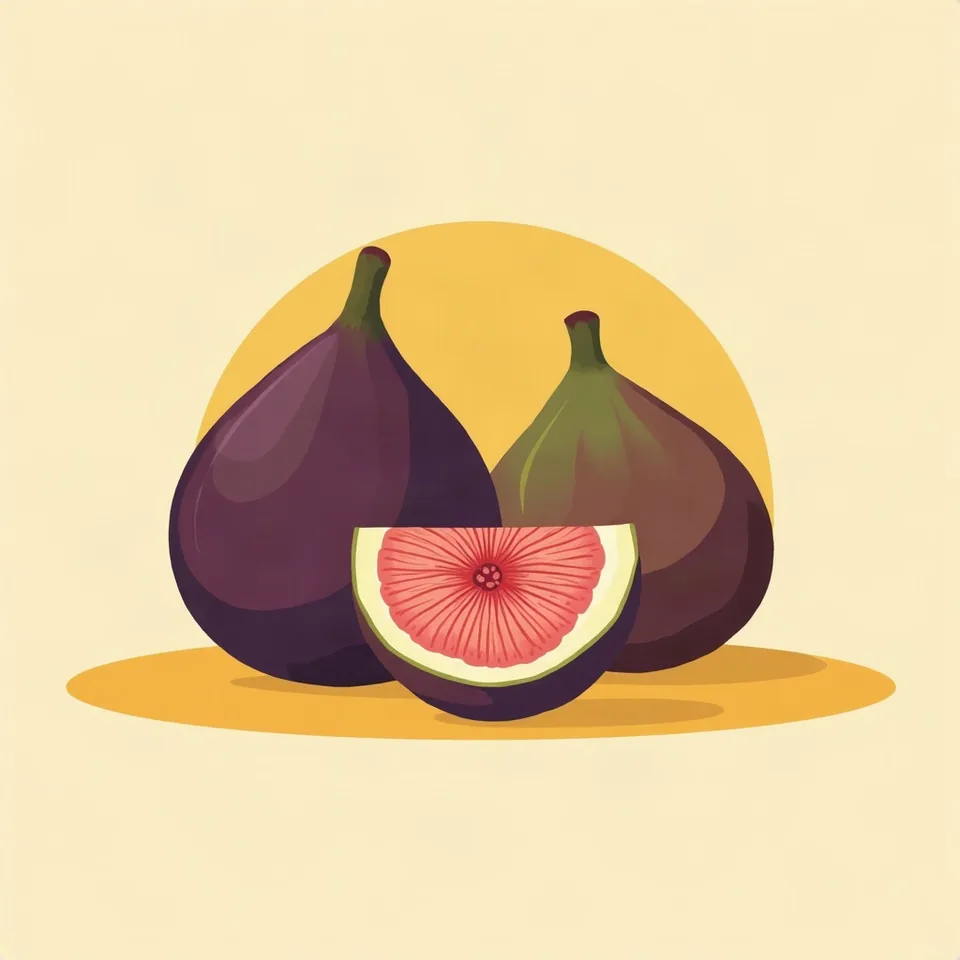
Fresh figs aren't toxic to dogs, but their high sugar and fiber content means only very small amounts are safe. Dried figs and fig tree (ficus) leaves are more of a problem. Here's how much fig is safe and what to watch out for.
Why only in moderation
The fig fruit itself (Ficus carica) doesn't contain any acutely toxic compound for dogs. It provides potassium, calcium, and fiber, but also a lot of simple sugar—a ripe fig has around 16 g (0.6 oz) of sugar per 100 g (3.5 oz), which is a fairly heavy load for a dog's digestive system.
The high fiber and seed content makes figs a food that can easily upset digestion in larger amounts. In dogs prone to a sensitive stomach or pancreatitis, even a small portion can trigger diarrhea or bloating.
Don't confuse the fig fruit with the ficus plant itself (Ficus benjamina and related ornamental varieties). The sap from the leaves and stems contains irritating compounds (ficin, furanocoumarins) that cause skin and digestive irritation—but that applies to the leaves and sap, not a ripe fig from the store or garden.
Dried figs have several times more concentrated sugar than fresh ones, and they're also sticky and chewy—for small dogs this poses a choking hazard or risk of intestinal blockage if swallowed whole.
How to serve figs
- Only offer a well-ripened fig, peeled and cut into pieces sized appropriately for your dog.
- It's best to remove the skin—it's tougher, harder to digest, and increases the risk of digestive irritation.
- Introduce this new treat gradually, starting with even half a piece, and watch how your dog's stool responds.
- Avoid dried figs, or give them only rarely and in a very small piece because of the concentrated sugar.
- Never let your dog eat leaves or stems from a ficus plant, or get into contact with sap from a broken stalk.
Rough portion
Small dog (under 22 lb): no more than a quarter of a fresh fig; medium dog (22-55 lb): half a fig; large dog (over 55 lb): one whole fig—and only occasionally, not as a regular treat.
Risks
- Diarrhea and bloating from larger amounts due to high fiber and sugar content.
- Risk of weight gain and elevated blood sugar with frequent feeding.
- Dried figs can cause choking or intestinal blockage in small dogs.
- Sap from ficus plant leaves and stems irritates skin and the digestive tract—don't confuse this with the fruit.
- Figs that have fallen from a backyard tree are often overripe and fermented, raising the risk of vomiting and diarrhea.
Symptoms to watch for
- Diarrhea or loose stool
- Vomiting
- Bloating and abdominal discomfort
- Skin or mouth irritation after contact with ficus sap
- Loss of appetite after overeating
Your dog already ate figs. What now?
- If your dog ate one or two ripe figs, just watch them at home; this usually resolves on its own without issues.
- If your dog ate dried figs or a larger amount, watch for signs of intestinal blockage—vomiting, a bloated belly, refusal to eat.
- If there was contact with ficus leaves or sap, rinse your dog's mouth with water and watch for irritation.
- If symptoms last longer than 24 hours or get worse, contact your veterinarian.
Common questions about dogs and figs
Can dogs eat dried figs?
It's best to avoid them. Dried figs have much more concentrated sugar than fresh ones and are sticky and chewy, which raises the risk of choking or intestinal blockage in small dogs. If you really want to give your dog fig, choose a fresh, ripe piece instead.
Is a ficus houseplant dangerous for dogs?
Yes, ficus leaves and sap contain irritating compounds that cause skin and digestive tract irritation. If you have a ficus plant at home or in your yard, make sure your dog can't reach it or chew on the leaves.
How many figs can a dog eat?
A small dog needs only a quarter of a ripe fig, a medium dog half, and a large dog no more than one whole piece—and only occasionally. Fig should remain an occasional treat, not a regular part of the diet, because of its high sugar content.
Can a puppy eat fig?
A small piece of ripe, peeled fig usually won't hurt a puppy, but a puppy's sensitive digestion handles sugar and fiber less well than an adult dog's does. It's better to try only a small piece first and watch the stool.
Other good treats
Can dogs eat apples?
Yes, dogs can eat apples. The flesh is safe, full of fiber and vitamin C, and even gives teeth a light mechanical clean. Always remove the core and seeds, though, and don't feed large pieces at once.

Can dogs eat bananas?
Yes, dogs can eat banana, but only as an occasional treat. It's safe and dogs tend to love it, but it's high in sugar. A small dog only needs 2 to 3 slices, a large dog about half a banana.
Can dogs eat blueberries?
Yes, blueberries are one of the healthiest fruits for dogs. They're small, low in calories, and packed with antioxidants, which is why they're often recommended as a training treat or a snack for older dogs.
Can dogs eat pears?
Yes, dogs can eat pears. The flesh is safe and full of fiber and vitamin C. Always remove the core and seeds along with the stem, though, since they contain trace amounts of cyanide-forming compounds.
More from fruit
Can dogs eat avocado?
No, avocado isn't recommended for dogs. It contains persin, which dogs tolerate better than birds or horses do, but the pit is a serious choking and blockage hazard, and the high fat content can trigger pancreatitis.
Can dogs eat dates?
Yes, dogs can eat dates, but only occasionally and never with the pit. They're extremely high in sugar, so at most they work as a tiny, infrequent treat.
Can dogs eat grapes?
No. Grapes are highly toxic to dogs and can cause acute kidney failure. There's no known safe amount, and it doesn't depend on breed or size. Call your vet immediately if your dog eats any.
Sources
Last updated 10 September 2026.