Can dogs eat persimmon?
Short answer
Yes, but only ripe flesh with no seeds or skin, and in small amounts. Persimmon seeds can block the intestine, and unripe fruit contains tannins that form hard masses in the stomach.
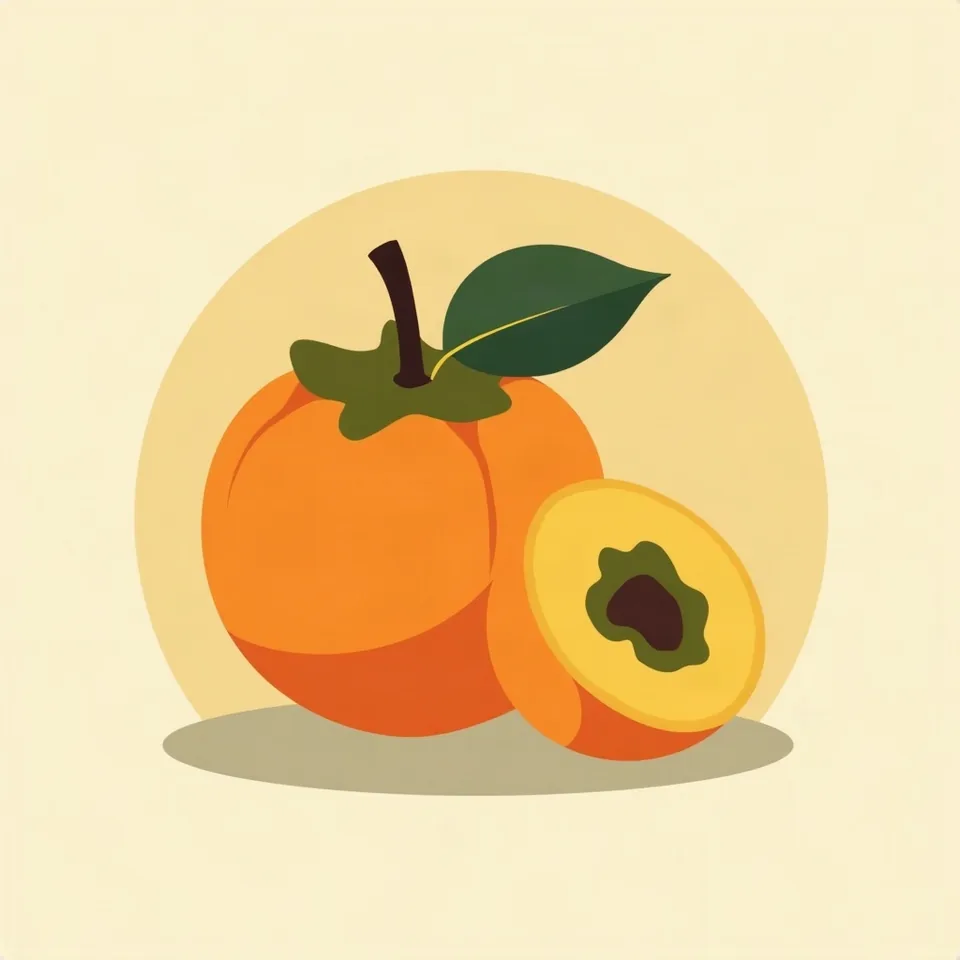
Persimmon is a safe fruit for dogs in small amounts, as long as it's ripe flesh with no seeds. The seeds and unripe fruit, though, pose a real risk of intestinal blockage. Here's how to serve persimmon to your dog safely.
Why only in moderation
Ripe persimmon flesh contains vitamin A, vitamin C, potassium, and fiber, and isn't toxic to dogs on its own. The problem comes from two specific parts of the fruit: the seeds and the unripe skin/flesh.
Persimmon seeds are fairly large, hard, and oval-shaped. In small and medium dogs they can lodge in the intestine and cause a mechanical obstruction, which often requires surgery to fix. The risk goes up if a dog swallows food without chewing.
Unripe persimmon has a high tannin content. Tannins react with stomach acid to form a sticky mass that binds with skin and fiber into a hard clump called a bezoar. A bezoar can block the stomach or small intestine just as effectively as seeds can.
The high sugar content of ripe fruit is another reason to keep persimmon an occasional treat only — for dogs prone to being overweight, diabetic dogs, or dogs with a history of pancreatitis, it's not recommended at all.
How to serve persimmon
- Only use fully ripe persimmon — if the fruit is still firm or tastes tart, don't give it to your dog.
- Peel the skin and remove all seeds and the stem, then cut the flesh into small cubes.
- Give only a taste-sized portion at first and watch how your dog reacts — a sensitive stomach may respond with loose stool.
- Introduce it gradually, start with a smaller first serving, and watch for any digestive upset over the next 24 hours.
Rough portion
Small dog (under 22 lb): 1–2 small cubes of flesh; medium dog (22–55 lb): 3–4 cubes; large dog (over 55 lb): a few extra cubes, no more than once a week. Always ripe flesh only, with no skin or seeds.
Risks
- Intestinal blockage from seeds, especially in small and medium breeds — often requires surgery to resolve.
- Bezoar formation from tannins and skin if a dog eats unripe fruit or a larger amount of skin.
- Weight gain and elevated blood sugar with regular feeding of larger portions.
- Diarrhea or vomiting in sensitive dogs even after a small serving of ripe flesh.
Symptoms to watch for
- Repeated vomiting
- Loss of appetite
- Bloated, painful abdomen
- Lethargy
- No bowel movements or difficulty passing stool
- Abdominal pain, restlessness
Your dog already ate persimmon. What now?
- If your dog swallowed a seed or a piece of unripe persimmon with skin, contact your vet even without immediate symptoms — obstruction can show up hours or days later.
- Watch whether your dog is passing normal stool and not vomiting; note how much and which parts of the fruit were eaten.
- If vomiting, loss of appetite, or a bloated belly develop, get emergency veterinary care right away — this can mean a mechanical obstruction requiring surgery.
- Don't induce vomiting at home without checking with your vet first, especially if more than an hour has passed since ingestion.
Common questions about dogs and persimmon
Can dogs eat persimmon skin?
It's not recommended. Skin, especially on a less-ripe fruit, contains tannins and fiber that can combine to form a hard bezoar in the stomach or intestine. It's safer to always peel the skin off and give your dog only the flesh.
What if my dog ate a persimmon seed?
Seeds are large and hard and can get stuck in the intestine, leading to a blockage. Even without immediate symptoms, it's a good idea to call your vet and watch your dog's bowel movements and behavior closely for a few days.
Can puppies eat persimmon?
There's no absolute rule against it, but puppies have a higher risk of intestinal blockage because of their smaller digestive tract diameter. It's better to skip persimmon for puppies altogether and choose safer fruit like seedless apple or blueberries.
How much persimmon can a dog eat?
Only a small amount of ripe flesh with no skin or seeds — roughly a few cubes depending on the dog's size — and only occasionally, not as a regular treat. Persimmon isn't nutritionally necessary, and the risks from seeds and tannins outweigh any benefit.
Other good treats
Can dogs eat apples?
Yes, dogs can eat apples. The flesh is safe, full of fiber and vitamin C, and even gives teeth a light mechanical clean. Always remove the core and seeds, though, and don't feed large pieces at once.
Can dogs eat blueberries?
Yes, blueberries are one of the healthiest fruits for dogs. They're small, low in calories, and packed with antioxidants, which is why they're often recommended as a training treat or a snack for older dogs.
Can dogs eat pears?
Yes, dogs can eat pears. The flesh is safe and full of fiber and vitamin C. Always remove the core and seeds along with the stem, though, since they contain trace amounts of cyanide-forming compounds.
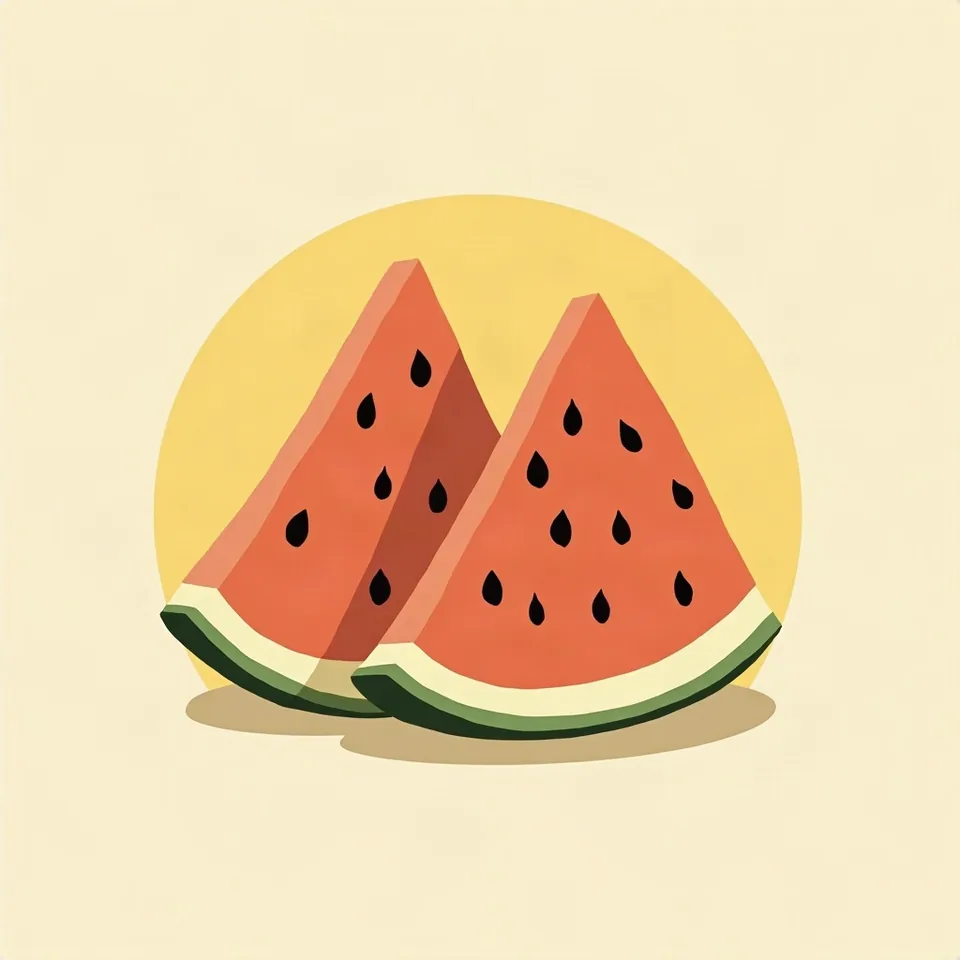
Can dogs eat watermelon?
Yes, dogs can eat watermelon. The flesh is about ninety percent water, low in calories, and most dogs love it as a summer treat. Just always remove the seeds and the tough rind first.
More from fruit
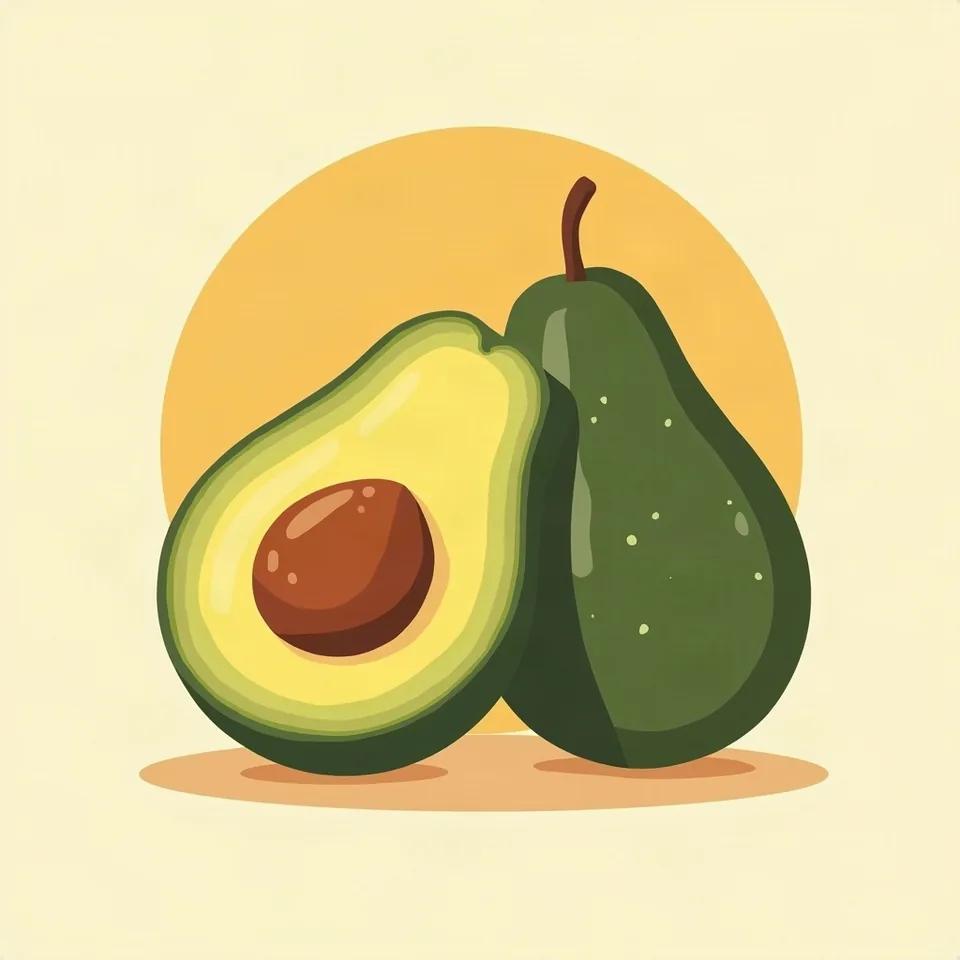
Can dogs eat avocado?
No, avocado isn't recommended for dogs. It contains persin, which dogs tolerate better than birds or horses do, but the pit is a serious choking and blockage hazard, and the high fat content can trigger pancreatitis.

Can dogs eat bananas?
Yes, dogs can eat banana, but only as an occasional treat. It's safe and dogs tend to love it, but it's high in sugar. A small dog only needs 2 to 3 slices, a large dog about half a banana.
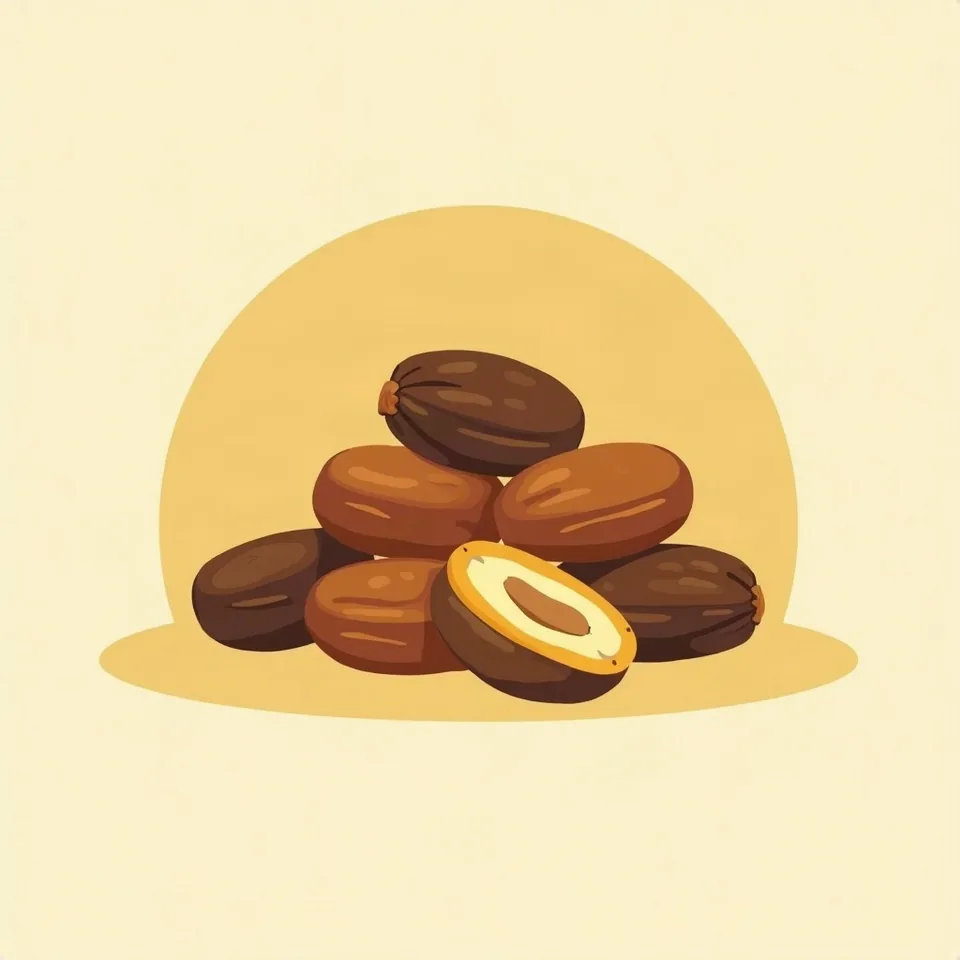
Can dogs eat dates?
Yes, dogs can eat dates, but only occasionally and never with the pit. They're extremely high in sugar, so at most they work as a tiny, infrequent treat.
Sources
Last updated 10 September 2026.