Can dogs eat peaches?
Short answer
Yes, in moderation. Peach flesh is safe in small amounts and full of vitamins, but the pit is hard, contains trace amounts of cyanide, and poses a serious choking or blockage risk.
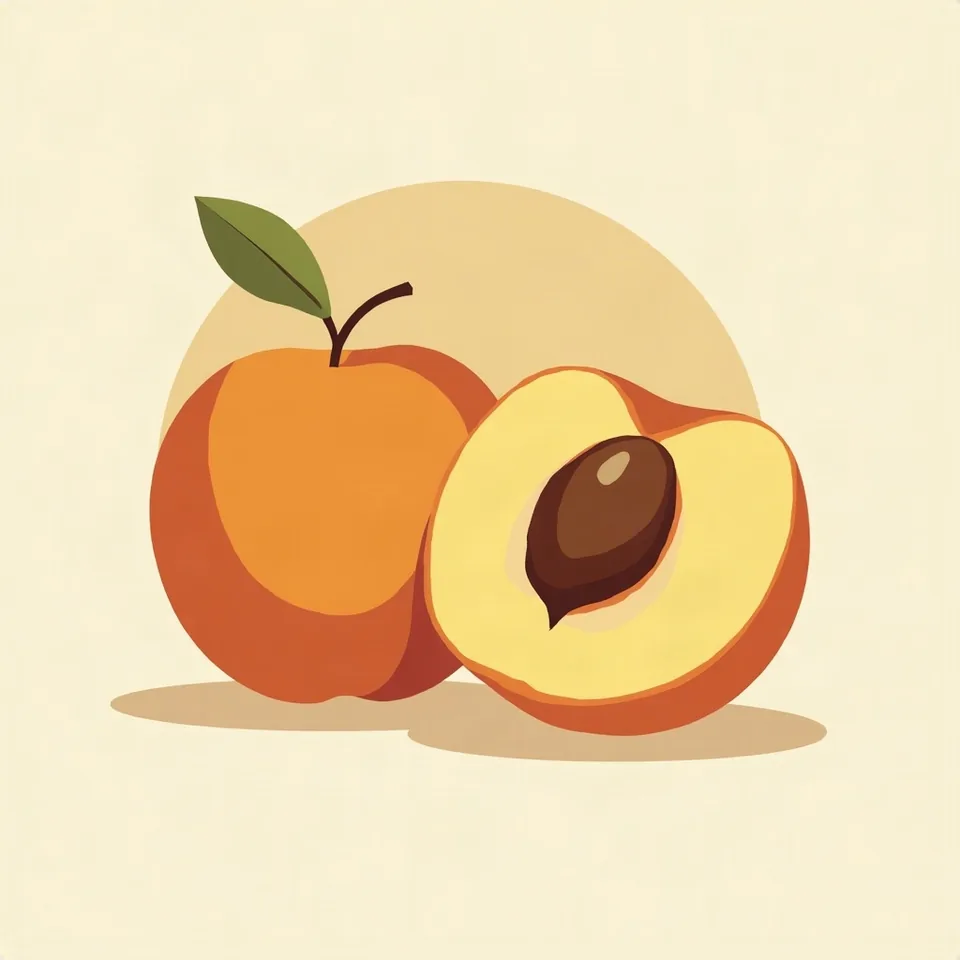
Peaches are safe for dogs in small amounts and packed with vitamin A and C, but the pit is the main hazard. It can get stuck in the digestive tract and contains trace amounts of cyanogenic compounds. Here's how to prepare a peach safely.
Why only in moderation
The flesh of a ripe peach contains vitamin A, vitamin C, potassium, and fiber, while being low in fat and protein. In small amounts it's a nutritious, low-calorie treat that most dogs love for its distinctly sweet taste and juicy summer texture.
The pit is the main problem. It's hard, has an irregular shape with sharp edges, and easily gets lodged in the esophagus or intestine, especially in small and medium breeds. In practice, this mechanical risk is far more common and dangerous than the pit's chemical toxicity.
The pit also contains amygdalin, a cyanogenic glycoside that can break down into hydrogen cyanide when chewed and partially digested. The risk of true poisoning is low if a dog swallows the pit whole, but it rises sharply if the pit is thoroughly chewed into small, sharp pieces.
Canned or stewed peaches contain added sugar and often peach flavoring, which adds even more strain on digestion. Only fresh or frozen peach flesh, with the pit removed, is suitable for a dog; the skin doesn't need to come off, though it may mildly irritate sensitive dogs.
How to serve peaches
- Wash the peach thoroughly, cut it in half, and remove the pit completely, including small fragments.
- Cut the flesh into small cubes sized for your dog.
- Frozen peach cubes make a nice summer treat; for small breeds, thaw them first so they're easier to chew.
- Never give canned peaches in syrup, peach flavoring, or flavored yogurts.
Rough portion
Small dog (under 10 kg / 22 lb): 1 to 2 small cubes. Medium dog: a few slices. Large dog: a quarter of a peach, pit removed. An occasional treat, not a regular one.
Risks
- The pit lodging in the esophagus or intestine, a serious risk that often requires surgery.
- Trace amounts of cyanide from a chewed pit, especially with repeated access to a tree dropping fruit.
- Digestive upset from a larger amount of flesh, due to the sugar and fiber content.
- Added sugar in canned or stewed peaches.
Symptoms to watch for
- Retching, restlessness, or refusing food if the pit is stuck
- Bloated belly, tender to the touch (possible obstruction)
- Loose stools after a larger portion of flesh
- Rare: rapid breathing, tremors after eating a larger amount of chewed pit
Your dog already ate peaches. What now?
- If your dog swallowed a whole pit, watch them for 24 to 48 hours to make sure they're passing stool normally and aren't retching or losing their appetite.
- See a vet for repeated vomiting, loss of appetite, or a bloated belly; an X-ray may be needed.
- If your dog chewed the pit and swallowed fragments of it, contact your vet even without immediate symptoms, because of the cyanide risk.
Common questions about dogs and peaches
How much peach can a dog eat?
A small dog only needs 1 to 2 small cubes, a medium dog a few slices, and a large dog a quarter of a peach, always with the pit removed. Peach should stay an occasional treat because of its sugar content and the risk tied to the pit, not a regular part of the diet.
Is a peach pit dangerous for dogs?
Yes, for two reasons. It's hard and can get stuck in the digestive tract, a common and serious risk that often needs surgery. It also contains trace amounts of a cyanogenic compound, which is toxic if the pit is chewed and swallowed in quantity.
Can puppies eat peaches?
Only very small pieces of flesh, with the pit and skin removed. The risk of the pit getting stuck is even higher in puppies because of their narrower digestive tract, so be extra careful and consider a lower-risk fruit like blueberries instead.
Can dogs eat canned peaches or flavored yogurt?
No, they contain added sugar and often artificial sweeteners or flavoring that aren't suitable for dogs. Some sweeteners, like xylitol, can even be highly toxic. Always choose fresh or frozen peach flesh with no pit and no added sweeteners.
What should I do if my dog eats a whole peach, pit included?
Watch them for the next 24 to 48 hours to make sure they're passing stool normally, aren't retching, and don't have a bloated or painful belly. If you see any signs of a blockage or you're not sure, contact your vet, ideally with a recommendation for an X-ray of the digestive tract.
Other good treats
Can dogs eat apples?
Yes, dogs can eat apples. The flesh is safe, full of fiber and vitamin C, and even gives teeth a light mechanical clean. Always remove the core and seeds, though, and don't feed large pieces at once.
Can dogs eat carrots?
Yes, carrots are safe for dogs and rank among the best treats you can give them. They're low in calories, full of fiber and beta-carotene, and raw carrots even help clean teeth. Cut them to a size that suits your dog.
Can dogs eat strawberries?
Yes, dogs can eat strawberries. They're low in calories, full of vitamin C and antioxidants, and most dogs love them. Serve them washed, with the leafy top removed, and in a reasonable amount because of the sugar content.
Can dogs eat watermelon?
Yes, dogs can eat watermelon. The flesh is about ninety percent water, low in calories, and most dogs love it as a summer treat. Just always remove the seeds and the tough rind first.
More from fruit
Can dogs eat avocado?
No, avocado isn't recommended for dogs. It contains persin, which dogs tolerate better than birds or horses do, but the pit is a serious choking and blockage hazard, and the high fat content can trigger pancreatitis.

Can dogs eat bananas?
Yes, dogs can eat banana, but only as an occasional treat. It's safe and dogs tend to love it, but it's high in sugar. A small dog only needs 2 to 3 slices, a large dog about half a banana.
Can dogs eat blueberries?
Yes, blueberries are one of the healthiest fruits for dogs. They're small, low in calories, and packed with antioxidants, which is why they're often recommended as a training treat or a snack for older dogs.
Sources
- AKC: Can Dogs Eat Peaches? Fruits Dogs Can Safely Eat
- ASPCA Animal Poison Control: People Foods to Avoid Feeding Your Pets
Last updated 2 September 2026.