Can dogs eat plums?
Short answer
Yes, but in moderation. Plum flesh is safe in small amounts, but the pit is hard and contains traces of cyanide. Plums can also have a laxative effect in larger quantities.
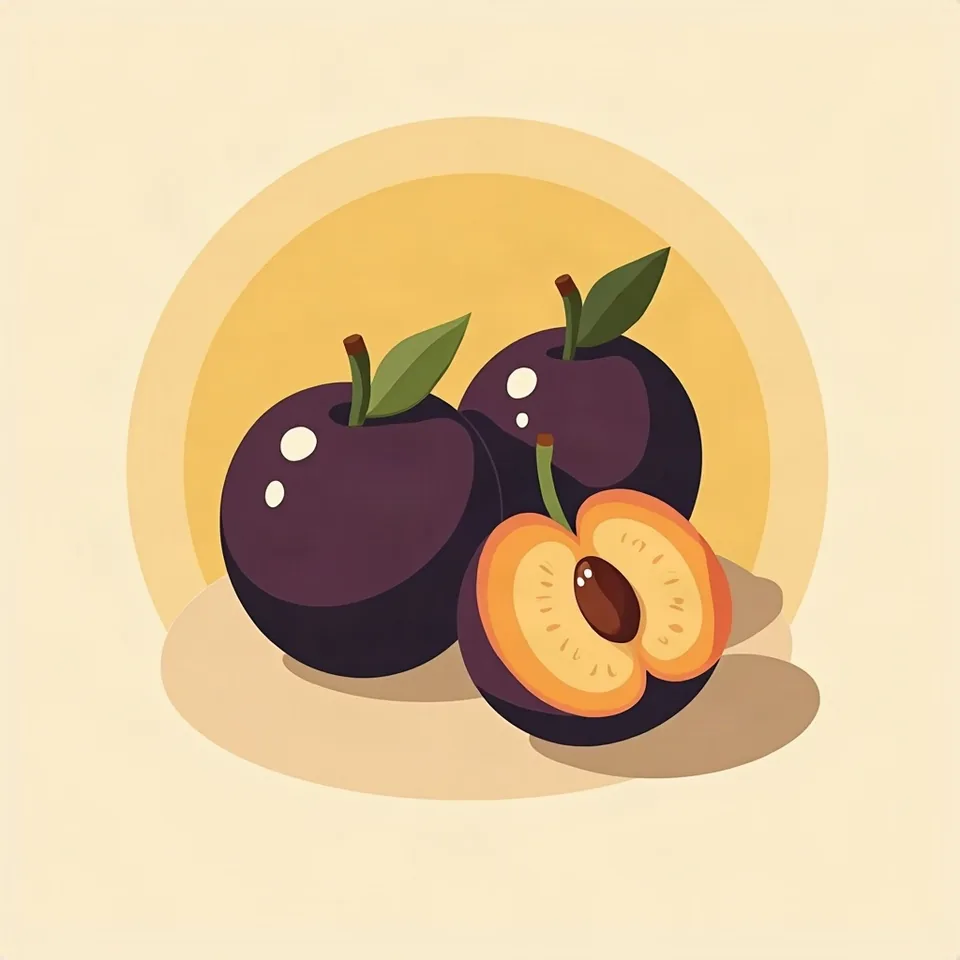
Plums are a fruit dogs can eat only in small amounts, and always with the pit removed. The pit poses a choking hazard, a risk of intestinal blockage, and trace cyanide poisoning, and the flesh has a laxative effect. Here is how to serve plums safely.
Why only in moderation
The flesh of a ripe plum contains vitamin C, vitamin K, and potassium, and is low in fat. In small amounts it is a nutritious treat, but plums, like other stone fruit and dried fruit in general, are known for a naturally laxative effect, especially in larger amounts.
The pit is hard, oval, and can easily get stuck in the esophagus or small intestine. Small and medium breeds face a higher risk of mechanical obstruction than with something like a peach, since a plum pit tends to be relatively large compared with the size of the fruit and its flesh.
Like other stone fruit pits, a plum pit contains amygdalin, which can break down into cyanide when chewed. The risk of actual poisoning is lower than the risk of blockage, but it rises if a dog has access to fallen plums under a tree and eats several at once, pits included.
Dried plums (prunes) have much more concentrated sugar and a stronger laxative effect than fresh fruit, and they are often packaged alongside raisins or other dried fruit, so always check the ingredients carefully before offering any to your dog.
How to serve plums
- Wash the plum thoroughly, cut it in half, and remove the pit completely.
- Cut the flesh into small pieces sized for your dog.
- Offer only ripe, soft plums; unripe ones are firmer and have a stronger laxative effect.
- Never give your dog dried plums (prunes), because of the concentrated sugar and the risk of mixing them up with raisins in a package.
Rough portion
Small dogs (under 10 kg / 22 lb): one small piece with the pit removed. Medium dogs: a few pieces. Large dogs: one plum's worth, pitted. Only occasionally, not as a regular treat.
Risks
- The pit getting stuck in the esophagus or intestine, especially risky for smaller breeds.
- Trace cyanide from a chewed pit.
- Diarrhea after a larger amount of flesh because of the natural laxative effect.
- Access to fallen plums in the garden, where a dog can easily eat several fruits, pits included, at once.
Symptoms to watch for
- Gagging, restlessness, or refusing food if a pit gets stuck
- Bloated or painful abdomen (possible obstruction)
- Diarrhea after a larger portion of flesh
- Rarely, rapid breathing or tremors after eating a number of chewed pits
Your dog already ate plums. What now?
- If your dog swallows one pit whole, watch them for 24-48 hours to make sure they are passing stool normally and not gagging.
- See a vet for repeated vomiting, loss of appetite, or a bloated belly; an X-ray may be needed.
- If you have a plum tree in the yard and your dog got into fallen fruit, also watch for diarrhea from the larger amount of flesh and monitor their overall condition.
Common questions about dogs and plums
How many plums can a dog eat?
A small dog is fine with one small piece, pit removed, a medium dog a few pieces, and a large dog no more than one plum's worth. Given the laxative effect and the risk from the pit, plums should stay an occasional treat rather than a regular one.
Are plum pits dangerous for dogs?
Yes. They are hard and can easily get lodged in the digestive tract, sometimes requiring surgery. They also contain traces of a cyanogenic compound that is toxic if chewed and swallowed in larger amounts, particularly if a dog eats several pits at once.
Can my dog eat plums that fell from a tree in the yard?
Better not without checking first. Fallen plums are often overripe, may be fermenting, and a dog can easily eat several at once, pits included, which raises the risk of obstruction, fermentation-related illness, and diarrhea. Collect windfall plums regularly and supervise your dog in the yard.
Are dried plums (prunes) suitable for dogs?
No, they have much more concentrated sugar and a stronger laxative effect than fresh fruit. They are also often packaged with raisins, which are highly toxic to dogs, so there is a risk of mix-up or contamination within a single package.
Do plums help a dog with constipation?
Because of their natural laxative effect, plums are sometimes mentioned as a constipation aid, but the exact mechanism is not well studied in dogs, and it is easy to overshoot into diarrhea. For repeated or ongoing constipation, it is better to address the underlying cause with your vet than to experiment with fruit at home.
Other good treats
Can dogs eat apples?
Yes, dogs can eat apples. The flesh is safe, full of fiber and vitamin C, and even gives teeth a light mechanical clean. Always remove the core and seeds, though, and don't feed large pieces at once.
Can dogs eat blueberries?
Yes, blueberries are one of the healthiest fruits for dogs. They're small, low in calories, and packed with antioxidants, which is why they're often recommended as a training treat or a snack for older dogs.
Can dogs eat pears?
Yes, dogs can eat pears. The flesh is safe and full of fiber and vitamin C. Always remove the core and seeds along with the stem, though, since they contain trace amounts of cyanide-forming compounds.
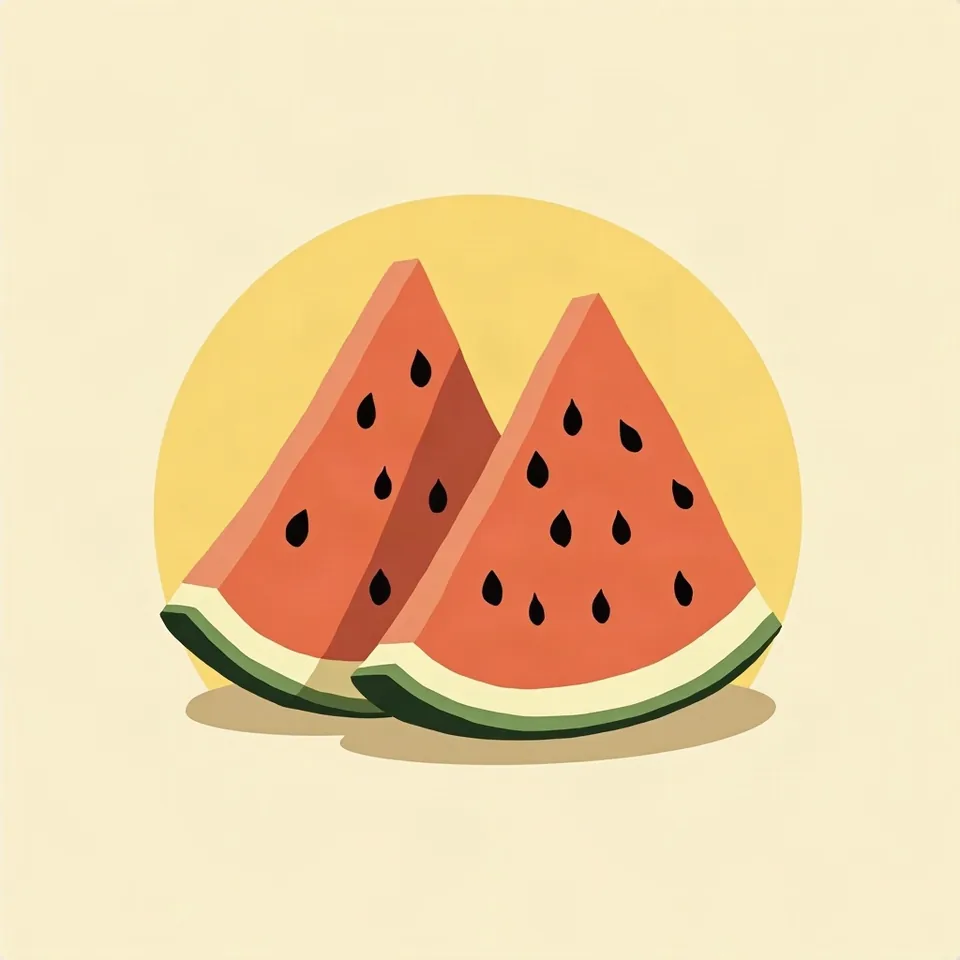
Can dogs eat watermelon?
Yes, dogs can eat watermelon. The flesh is about ninety percent water, low in calories, and most dogs love it as a summer treat. Just always remove the seeds and the tough rind first.
More from fruit
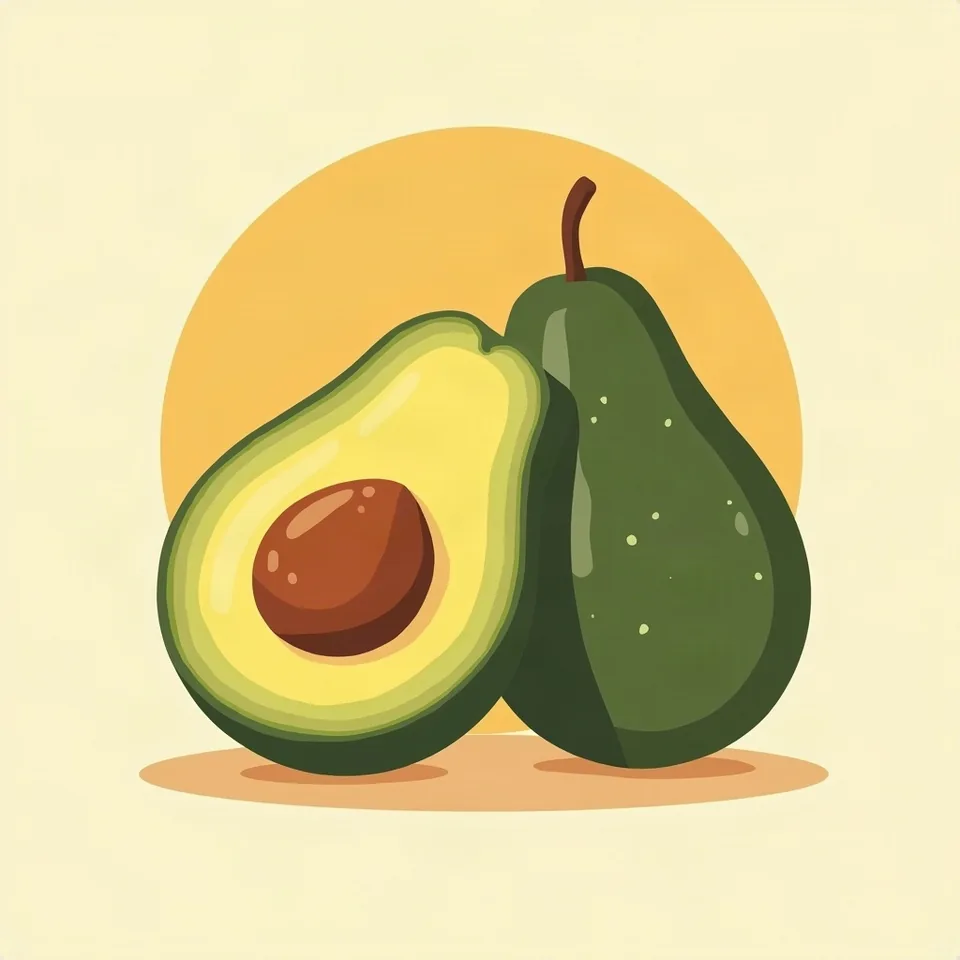
Can dogs eat avocado?
No, avocado isn't recommended for dogs. It contains persin, which dogs tolerate better than birds or horses do, but the pit is a serious choking and blockage hazard, and the high fat content can trigger pancreatitis.
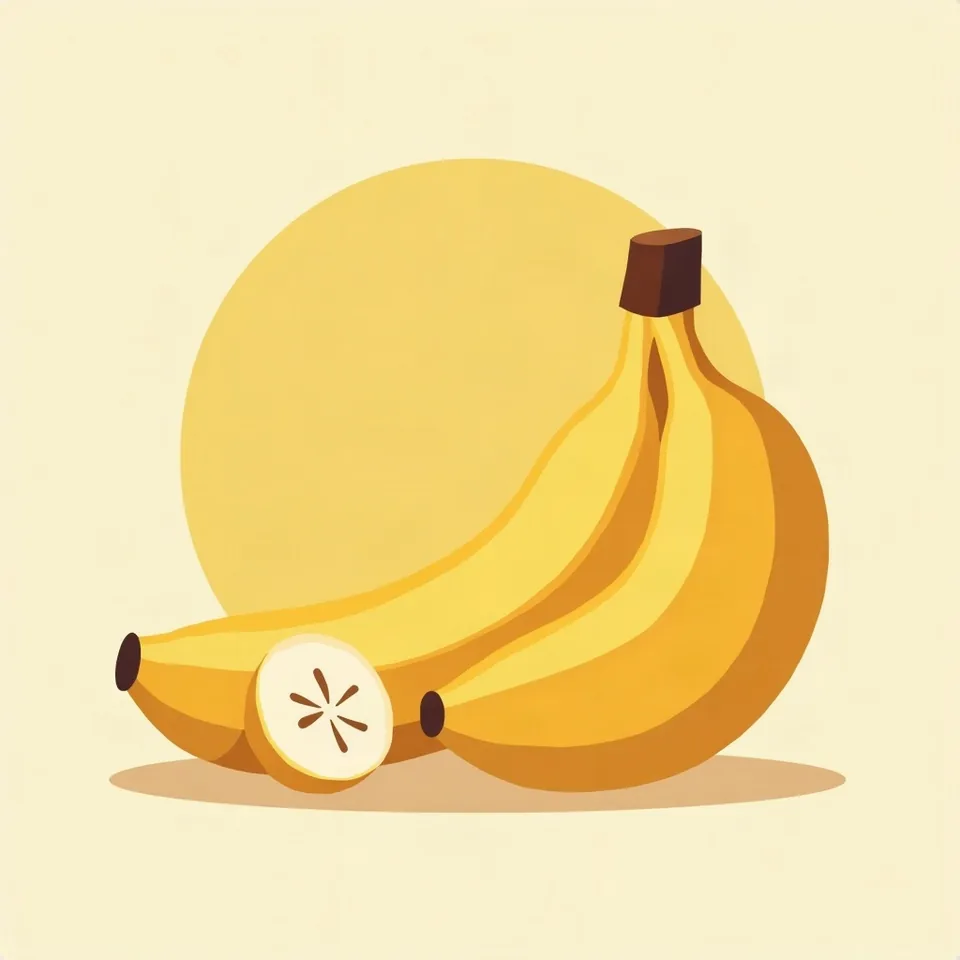
Can dogs eat bananas?
Yes, dogs can eat banana, but only as an occasional treat. It's safe and dogs tend to love it, but it's high in sugar. A small dog only needs 2 to 3 slices, a large dog about half a banana.
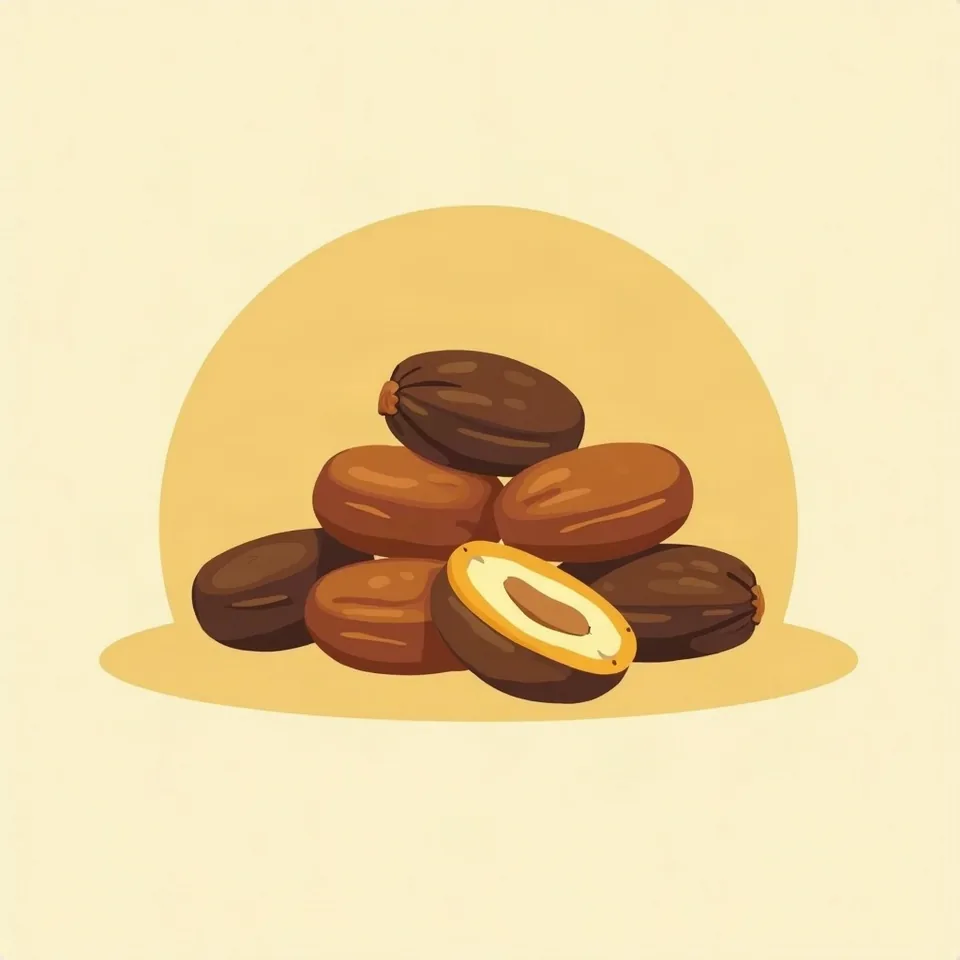
Can dogs eat dates?
Yes, dogs can eat dates, but only occasionally and never with the pit. They're extremely high in sugar, so at most they work as a tiny, infrequent treat.
Sources
- AKC: Fruits and Vegetables Dogs Can or Can't Eat
- ASPCA Animal Poison Control: People Foods to Avoid Feeding Your Pets
Last updated 2 September 2026.