Can dogs eat pomegranate?
Short answer
Yes, dogs can eat pomegranate pulp without the seeds' hard peel or the white membrane, but only in small amounts. The rind and white pith contain tannins that irritate digestion.
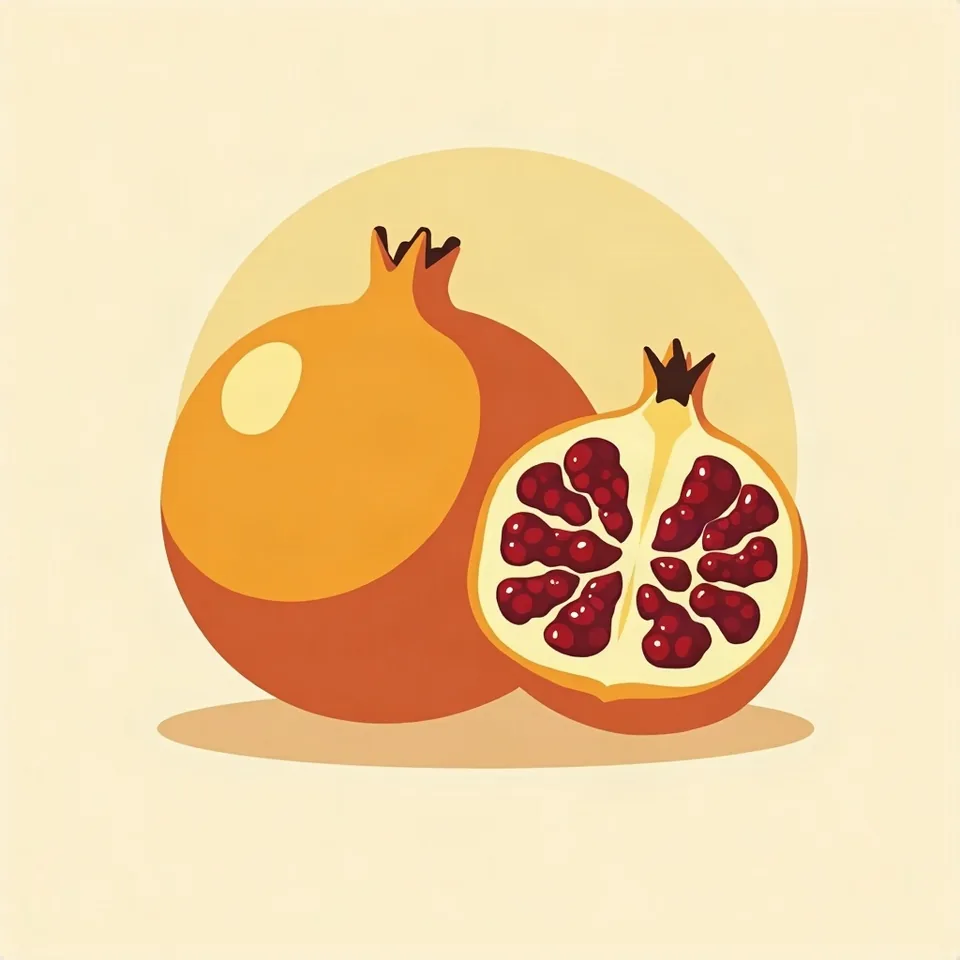
Pomegranate has antioxidants and vitamin C, but it's not a regular part of a dog's diet. Here's why only small bits of peeled pulp are safe and when it can cause digestive upset.
Why only in moderation
The pulp (arils) of pomegranate isn't toxic and contains vitamin C, vitamin K, and polyphenol antioxidants. In small amounts a dog can handle it fine, but vets don't list it as a recommended addition to a dog's diet - it's more of a neutral fruit that doesn't add anything essential.
The problem lies in the rind and the white pith surrounding the seeds. They contain high levels of tannins, which have an astringent effect and can cause digestive irritation, vomiting, or diarrhea in dogs. These parts should never be given.
The seeds themselves are hard and fibrous. In larger amounts they can slow digestion or cause gas in sensitive dogs. Small breeds also risk not chewing the seeds properly, which can irritate the gut or, in rare cases, contribute to a blockage in dogs with a narrowed digestive tract.
Pomegranate's acidity can trigger heartburn or loose stool in dogs with sensitive stomachs, especially the first time they try this fruit.
How to serve pomegranate
- Only offer plain pulp with seeds, with the hard rind and white fibrous membrane removed.
- Give just a few arils as a taste, not a whole handful.
- Seeds can be mashed to reduce the risk of irritation in small dogs.
- Introduce it gradually - just 1-2 arils on the first day, watching stool and behavior.
Rough portion
Small dog (under 22 lb): 2-3 arils occasionally, medium dog (22-55 lb): 1 teaspoon (about 5 g/0.2 oz) of pulp, large dog (over 55 lb): 1 tablespoon (about 15 g/0.5 oz) of pulp, no more than once a week.
Risks
- Tannins in the rind and white membrane can irritate the digestive tract and cause vomiting or diarrhea.
- The fruit's acidity can cause heartburn or soft stool in sensitive dogs.
- A larger amount of seeds adds extra fiber load and can cause bloating.
- Small breeds risk intestinal irritation from hard seeds if given too much.
Symptoms to watch for
- Vomiting
- Diarrhea or soft stool
- Bloating, abdominal discomfort
- Loss of appetite after eating a larger amount
Your dog already ate pomegranate. What now?
- If your dog ate only a small amount of pulp with seeds, monitor at home - it's usually not a concern.
- If they ate the rind too, or a large amount of the fruit, watch for vomiting and stool changes for 24 hours.
- Contact your vet for repeated vomiting, diarrhea lasting more than a day, or abdominal pain.
Common questions about dogs and pomegranate
Can dogs eat pomegranate every day?
No, pomegranate isn't a regular part of a dog's diet and should stay an occasional treat. Daily feeding unnecessarily taxes digestion with acidity and seed fiber. A few arils once a week is plenty.
Are pomegranate seeds dangerous for dogs?
On their own they aren't toxic, but they're hard and fibrous, so larger amounts can irritate the digestive tract or cause gas. For small breeds it's best to mash the seeds or offer only a minimal amount.
Can a puppy try pomegranate?
Better not to. Puppies' digestion is more sensitive, and both the acidity and tannins are more likely to trigger diarrhea than in an adult dog. Wait until the puppy is older and settled on regular food before trying this fruit.
What should I do if my dog ate pomegranate rind?
The rind contains a lot of tannins, which can irritate the stomach and intestines. Watch your dog for vomiting or diarrhea, and contact your vet if symptoms persist or a larger amount of rind was eaten.
Other good treats
Can dogs eat apples?
Yes, dogs can eat apples. The flesh is safe, full of fiber and vitamin C, and even gives teeth a light mechanical clean. Always remove the core and seeds, though, and don't feed large pieces at once.
Can dogs eat blueberries?
Yes, blueberries are one of the healthiest fruits for dogs. They're small, low in calories, and packed with antioxidants, which is why they're often recommended as a training treat or a snack for older dogs.
Can dogs eat raspberries?
Yes, dogs can eat raspberries in moderation. They're low in sugar and high in fiber and antioxidants, but they do contain a trace amount of natural xylitol, so they're not something to feed every day.
Can dogs eat strawberries?
Yes, dogs can eat strawberries. They're low in calories, full of vitamin C and antioxidants, and most dogs love them. Serve them washed, with the leafy top removed, and in a reasonable amount because of the sugar content.
More from fruit
Can dogs eat avocado?
No, avocado isn't recommended for dogs. It contains persin, which dogs tolerate better than birds or horses do, but the pit is a serious choking and blockage hazard, and the high fat content can trigger pancreatitis.

Can dogs eat bananas?
Yes, dogs can eat banana, but only as an occasional treat. It's safe and dogs tend to love it, but it's high in sugar. A small dog only needs 2 to 3 slices, a large dog about half a banana.
Can dogs eat dates?
Yes, dogs can eat dates, but only occasionally and never with the pit. They're extremely high in sugar, so at most they work as a tiny, infrequent treat.
Sources
- ASPCA: People Foods to Avoid Feeding Your Pets
- Merck Veterinary Manual: Food Hazards in Dogs and Cats
Last updated 10 September 2026.