Can dogs eat oranges?
Short answer
Yes, but in moderation. A few segments of flesh with no peel or seeds won't hurt a dog, but the citrus oil in the peel is irritating, and most dogs aren't fans of oranges anyway because of the strong smell and tart taste.
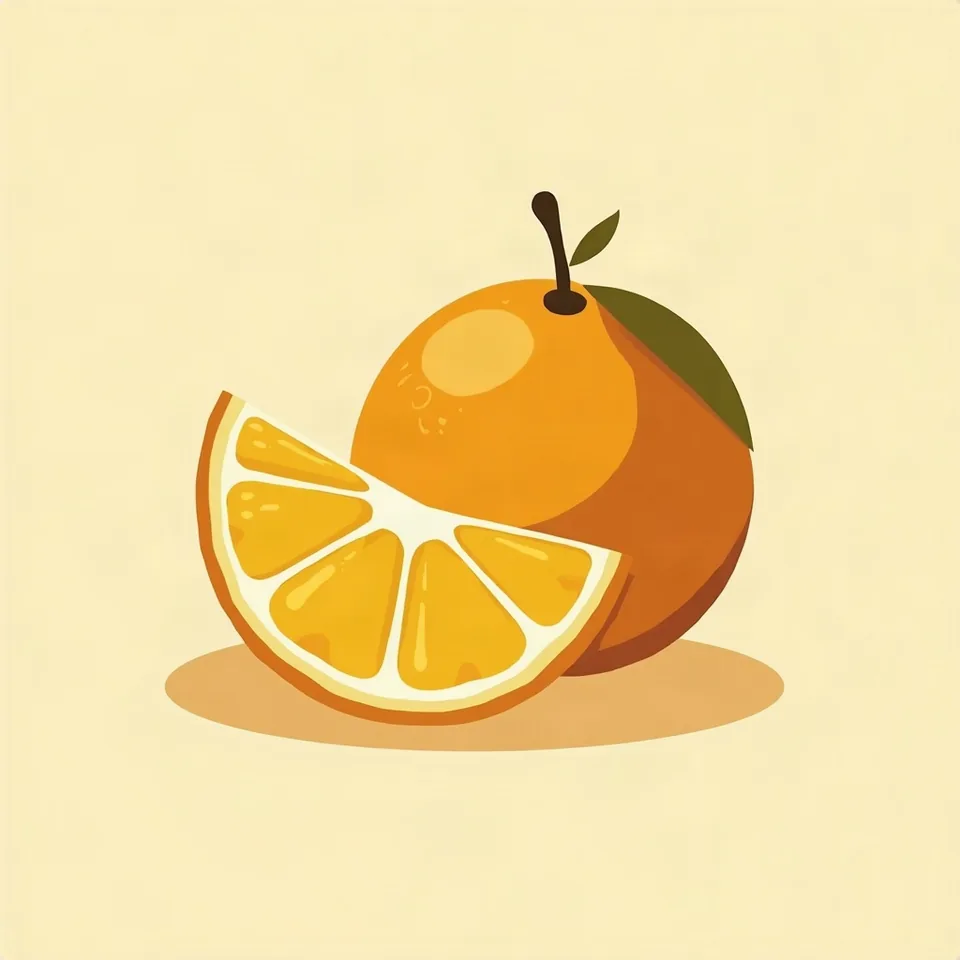
Oranges are safe for dogs in small amounts, the flesh contains vitamin C and potassium. The peel and white pith, though, contain irritating oils that can cause digestive upset. Here's how much orange is fine and why most dogs turn it down anyway.
Why only in moderation
Orange flesh contains vitamin C, potassium, fiber, and antioxidants. Dogs synthesize most of their own vitamin C in the liver, so it's not an essential nutrient for them, but a small amount of flesh won't hurt and can be an interesting, refreshing addition to the diet on occasion.
The peel and the white pith just underneath contain citrus oils (limonene) and psoralens, which can irritate a dog's digestive tract and cause vomiting or diarrhea in larger amounts. The peel is also tough, bitter, and fairly poorly digestible even for large, strong dogs.
The acidity of oranges can cause heartburn or digestive discomfort in dogs with a sensitive stomach, even from just the flesh with no peel. For dogs with reflux, stomach ulcers, or gastritis, it's better to leave citrus out of the diet entirely.
Most dogs also have a natural aversion to the smell of citrus, a strong citrus scent is even commonly used as a natural repellent to stop dogs from chewing furniture or digging in the yard. In practice, this means the risk from oranges tends to be lower, since dogs don't usually seek them out on their own.
How to serve oranges
- Peel the orange and remove all the white pith, membrane, and seeds.
- Divide into small pieces with no peel, sized for your dog.
- Offer only ripe, sweeter oranges, tarter varieties are harder on sensitive stomachs.
- Serve only occasionally, and watch for loose stool afterward.
Rough portion
Small dog (under 10 kg / 22 lb): 1 small segment with no seeds. Medium dog: 2 segments. Large dog: 2 to 3 segments. Only occasionally, oranges aren't a necessary part of the diet.
Risks
- Digestive upset (vomiting, diarrhea) from citrus oils in the peel or white pith.
- Heartburn or nausea in dogs with a sensitive stomach because of the acidity.
- Choking or irritation risk from swallowing seeds or a large piece of peel.
- Unnecessary sugar from regularly feeding a larger amount of flesh.
Symptoms to watch for
- Vomiting or diarrhea after eating the peel or a large portion of flesh
- Drooling, refusing food if the stomach is irritated
- Restlessness, pawing at the mouth after chewing the peel
Your dog already ate oranges. What now?
- If your dog ate a few segments of flesh with no peel, there's usually no cause for concern, just watch digestion as normal.
- If they ate a piece of peel or a whole orange, watch for 24 to 48 hours for signs of digestive upset or obstruction.
- See a vet if vomiting or diarrhea is repeated, or if your dog refuses food.
Common questions about dogs and oranges
How much orange can a dog eat?
A small dog can have one segment with no seeds, a medium dog two, and a large dog no more than 2 to 3, and only occasionally. Oranges aren't a necessary part of the diet, more of a taste treat for variety that you can just as easily skip altogether.
Is orange peel toxic to dogs?
Not toxic in the classic sense, but it contains citrus oils that irritate the digestive tract and can cause vomiting or diarrhea. The peel is also tough and poorly digestible, so never give it to your dog, not even as a chew toy.
Why do most dogs dislike oranges?
A strong citrus scent usually isn't appealing to dogs, which relates to their much more sensitive sense of smell. Citrus scent is even used as a natural deterrent against chewing furniture or digging in the yard, so in practice the risk from oranges is much lower since dogs don't typically go looking for them.
Can a dog drink fresh-squeezed orange juice?
It's not recommended, juice has a more concentrated sugar and acid content than the flesh and can easily cause digestive upset, and it lacks the fiber that slows sugar absorption in the whole fruit. If you want to offer orange, always stick to a small piece of fresh flesh instead.
Are other citrus fruits like tangerine or grapefruit just as risky for dogs?
Yes, the same principle applies to all citrus, the flesh in small amounts usually isn't harmful, while the peel and white pith irritate the digestive tract. Grapefruit is even more tart, so the risk of digestive upset tends to be a bit higher with it.
Other good treats
Can dogs eat apples?
Yes, dogs can eat apples. The flesh is safe, full of fiber and vitamin C, and even gives teeth a light mechanical clean. Always remove the core and seeds, though, and don't feed large pieces at once.
Can dogs eat blueberries?
Yes, blueberries are one of the healthiest fruits for dogs. They're small, low in calories, and packed with antioxidants, which is why they're often recommended as a training treat or a snack for older dogs.
Can dogs eat strawberries?
Yes, dogs can eat strawberries. They're low in calories, full of vitamin C and antioxidants, and most dogs love them. Serve them washed, with the leafy top removed, and in a reasonable amount because of the sugar content.
Can dogs eat watermelon?
Yes, dogs can eat watermelon. The flesh is about ninety percent water, low in calories, and most dogs love it as a summer treat. Just always remove the seeds and the tough rind first.
More from fruit
Can dogs eat avocado?
No, avocado isn't recommended for dogs. It contains persin, which dogs tolerate better than birds or horses do, but the pit is a serious choking and blockage hazard, and the high fat content can trigger pancreatitis.

Can dogs eat bananas?
Yes, dogs can eat banana, but only as an occasional treat. It's safe and dogs tend to love it, but it's high in sugar. A small dog only needs 2 to 3 slices, a large dog about half a banana.
Can dogs eat dates?
Yes, dogs can eat dates, but only occasionally and never with the pit. They're extremely high in sugar, so at most they work as a tiny, infrequent treat.
Sources
Last updated 2 September 2026.