Can dogs eat pomelo?
Short answer
Yes, but only the peeled flesh, with no seeds, and in small amounts. Pomelo is high in sugar, and the peel's citrus oils can upset digestion, so it's fine only as an occasional treat.
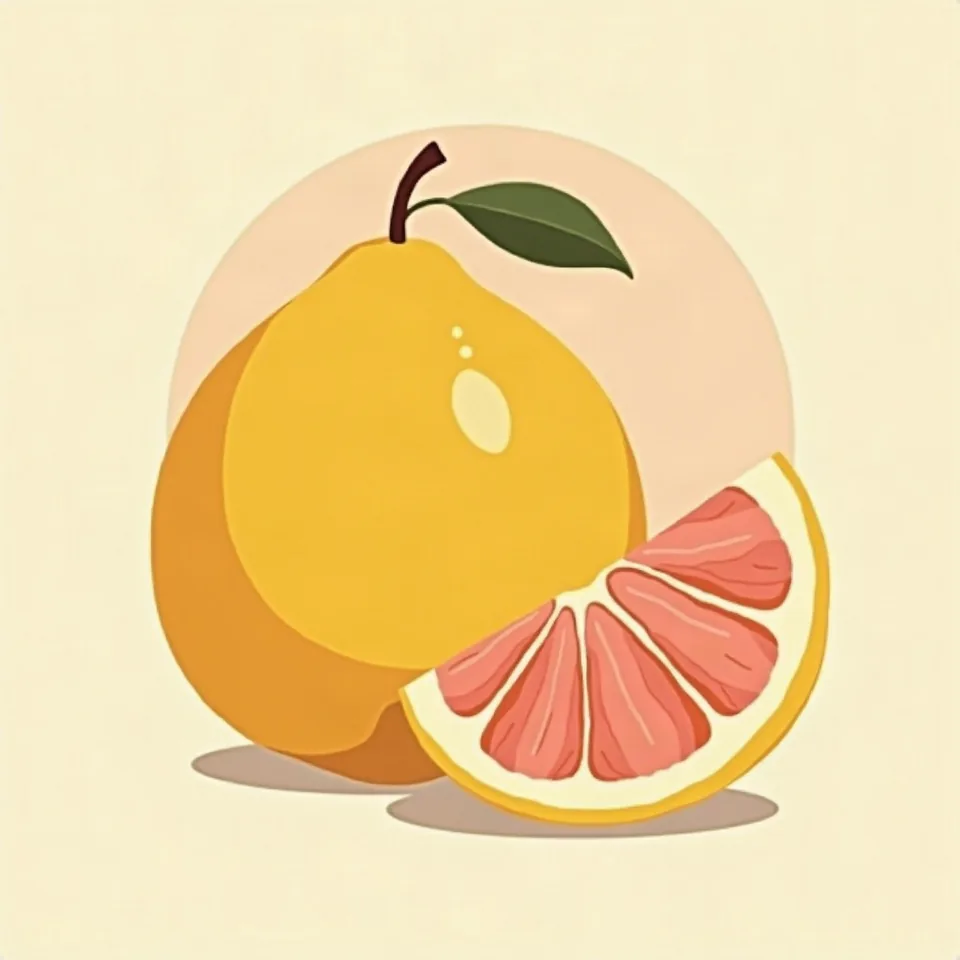
Pomelo is the largest citrus fruit, and the plain flesh itself isn't a problem for dogs. The peel and the white pith underneath contain essential oils and psoralens that can irritate the stomach. Here's how much is safe and why you should always skip the peel.
Why only in moderation
Pomelo flesh is mostly water, vitamin C, and simple sugars. It isn't an acute threat to dogs, since plain citrus pulp itself isn't toxic. The trouble comes from the parts people don't eat: the peel, the white pith beneath it, and the seeds.
Citrus peel and pith contain essential oils (limonene, linalool) and compounds called psoralens that irritate the digestive tract. In larger amounts, these can cause skin photosensitivity or neurological symptoms similar to those seen with other citrus fruits. The amount needed for serious poisoning in dogs is fairly high, but even a smaller dose of irritation is enough to cause an unpleasant bout of vomiting or diarrhea.
Pomelo is also both fairly acidic and sweet at the same time. Its high sugar and acid content can irritate the stomach lining in more sensitive dogs, and regular feeding can contribute to weight gain or dental problems.
Pomelo seeds aren't known to be toxic, but they're hard, and in small dogs they can pose a choking hazard or cause an intestinal blockage if swallowed in any quantity.
How to serve pomelo
- Always peel off the entire rind and the white fibrous pith underneath; dogs should only get the plain flesh.
- Remove every seed. Even though they aren't toxic, they can cause choking or intestinal blockage.
- Cut the flesh into small pieces sized for your dog and offer it only as an occasional treat, not a regular food.
- Introduce any new treat in a small amount first and watch how your dog reacts; more acidic citrus fruits sometimes cause loose stool.
Rough portion
Small dog (under 22 lb): 1-2 small cubes of flesh (about 0.3-0.7 oz / 10-20 g total), medium dog (22-55 lb): 3-4 cubes (about 1-1.5 oz / 30-40 g), large dog (over 55 lb): a small handful of cubes (about 2 oz / 55 g); no more than once in a while, not as a regular part of the diet.
Risks
- Vomiting or diarrhea from the peel, pith, or larger amounts of flesh.
- Choking or intestinal blockage risk if seeds are swallowed, especially in small breeds.
- Skin photosensitivity or irritation from ingesting a significant amount of peel with essential oils.
- Contributing to weight gain and dental issues if fed regularly, due to sugar content.
Symptoms to watch for
- Vomiting
- Diarrhea or loose stool
- Loss of appetite
- Drooling after tasting the bitter peel
- Abdominal pain, restlessness
Your dog already ate pomelo. What now?
- If your dog ate just a piece of peeled flesh, there's no real cause for concern; just keep an eye on their stool.
- If they ate peel or seeds, watch for 24-48 hours for vomiting, diarrhea, or loss of appetite.
- If vomiting is repeated, the belly looks swollen, or your dog isn't passing stool, see a vet, as this can signal an intestinal blockage.
Common questions about dogs and pomelo
Can dogs eat pomelo with the peel on?
No. The peel and the white pith underneath contain essential oils and compounds that irritate the digestive tract and can cause vomiting or diarrhea. Dogs should only get the peeled flesh with no seeds.
How much pomelo can a dog eat?
Just a few small cubes of flesh depending on the dog's size, and only occasionally, not as a regular treat. Pomelo is both acidic and sweet, so larger amounts easily upset the stomach or contribute to weight gain.
Can puppies eat pomelo?
A small amount of peeled flesh with no seeds won't hurt a puppy, but because their digestion is more sensitive, it's better to skip citrus fruits entirely at this age and try them once the dog is an adult.
Are pomelo seeds dangerous for dogs?
The seeds aren't known to be toxic, but they're hard and can cause choking or intestinal blockage, especially in small breeds. Always remove them thoroughly before offering the flesh.
Other good treats

Can dogs eat apples?
Yes, dogs can eat apples. The flesh is safe, full of fiber and vitamin C, and even gives teeth a light mechanical clean. Always remove the core and seeds, though, and don't feed large pieces at once.
Can dogs eat blueberries?
Yes, blueberries are one of the healthiest fruits for dogs. They're small, low in calories, and packed with antioxidants, which is why they're often recommended as a training treat or a snack for older dogs.
Can dogs eat oranges?
Yes, but in moderation. A few segments of flesh with no peel or seeds won't hurt a dog, but the citrus oil in the peel is irritating, and most dogs aren't fans of oranges anyway because of the strong smell and tart taste.
Can dogs eat watermelon?
Yes, dogs can eat watermelon. The flesh is about ninety percent water, low in calories, and most dogs love it as a summer treat. Just always remove the seeds and the tough rind first.
More from fruit
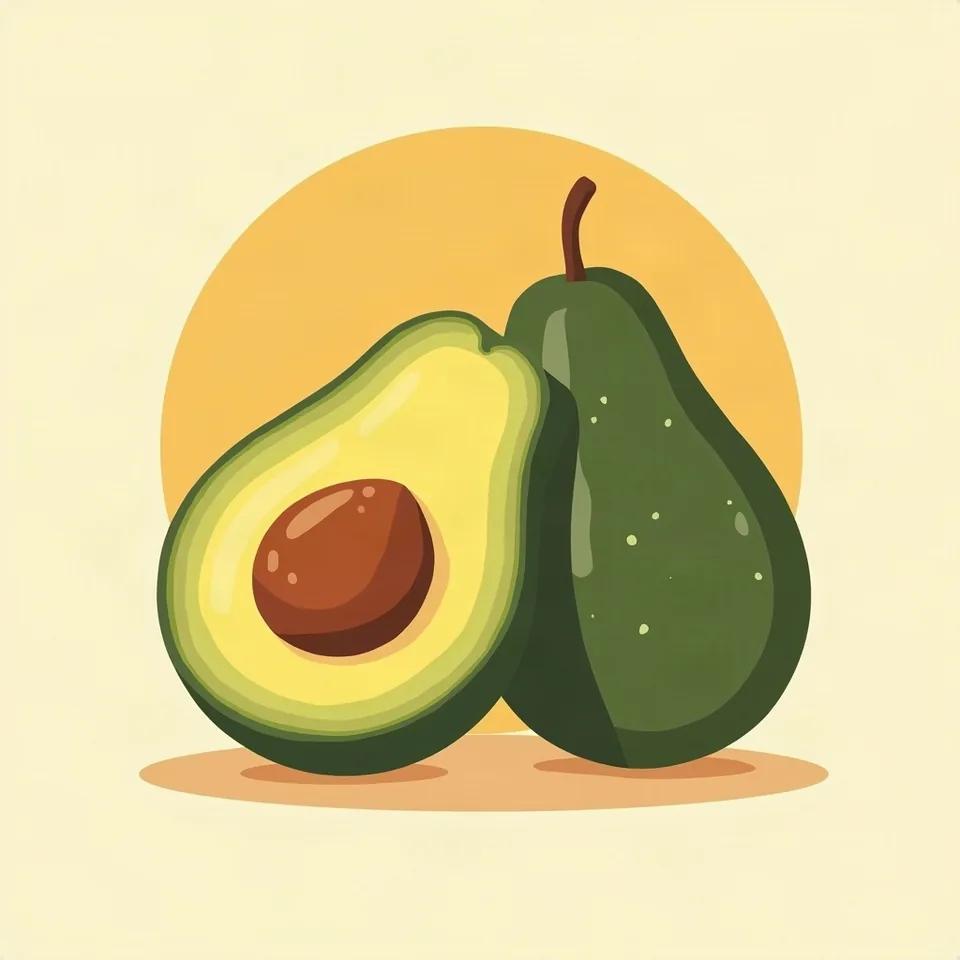
Can dogs eat avocado?
No, avocado isn't recommended for dogs. It contains persin, which dogs tolerate better than birds or horses do, but the pit is a serious choking and blockage hazard, and the high fat content can trigger pancreatitis.

Can dogs eat bananas?
Yes, dogs can eat banana, but only as an occasional treat. It's safe and dogs tend to love it, but it's high in sugar. A small dog only needs 2 to 3 slices, a large dog about half a banana.
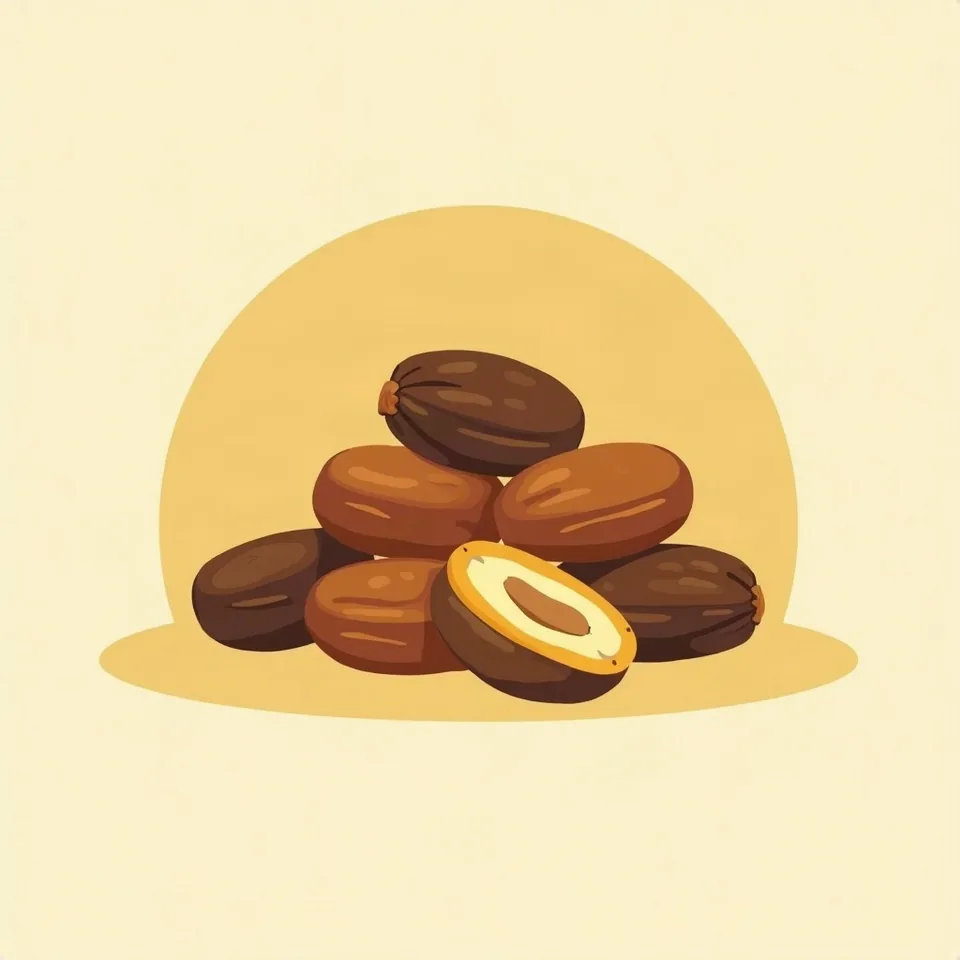
Can dogs eat dates?
Yes, dogs can eat dates, but only occasionally and never with the pit. They're extremely high in sugar, so at most they work as a tiny, infrequent treat.
Sources
- ASPCA: People Foods to Avoid Feeding Your Pets
- Merck Veterinary Manual: Food Hazards in Dogs and Cats
Last updated 10 September 2026.