Can dogs eat coffee?
Short answer
No, dogs should never drink coffee or eat coffee beans or grounds. Caffeine is a methylxanthine that's toxic to dogs even in small doses and can cause a racing heart, tremors, and seizures. Call your vet right away if your dog gets into any.
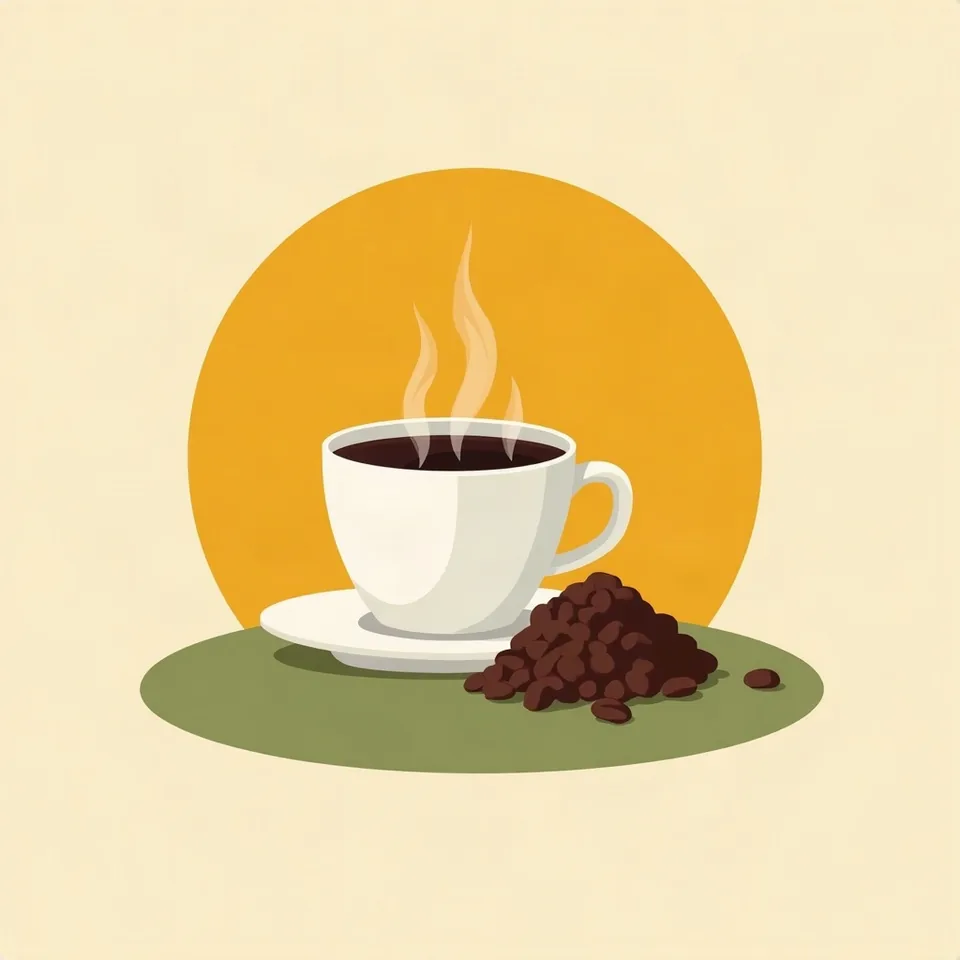
Caffeine in coffee is a toxic methylxanthine for dogs, similar to the theobromine in chocolate. Even a small amount of strong coffee or coffee beans can cause serious poisoning in a small dog. Here are the toxic doses, symptoms, and what to do if your dog is exposed.
Why not
Toxic compound: caffeine (a methylxanthine).
Caffeine belongs to the same group of methylxanthines as theobromine in chocolate, and dogs metabolize it much more slowly than people do. It stimulates the heart and nervous system, which at higher doses leads to a racing heart, tremors, and in the worst cases seizures and heart failure.
The amount of caffeine varies a lot by form. A cup of coffee contains roughly 80-150 mg of caffeine; espresso has less volume but is more concentrated; coffee beans and ground coffee are more concentrated still. Used coffee grounds still contain a meaningful amount of caffeine and are easy for a dog to access in the trash.
The first mild symptoms appear at around 15 mg of caffeine per kilogram of body weight, serious symptoms around 60 mg/kg, and the estimated lethal dose is 140 mg/kg and up. For a small dog, say 5 kg (11 lb), even one strong cup of coffee or a handful of beans can mean a dangerous dose.
Beyond coffee itself, other caffeine sources carry the same risk: energy drinks, tea in large amounts, caffeine pills, or guarana supplements. They all work the same way and should be kept just as inaccessible to dogs as coffee.
Rough portion
There is no safe dose. The danger threshold is considered to be roughly 15 mg of caffeine per kilogram of body weight, meaning even a modest amount of strong coffee or a few coffee beans can cause symptoms of poisoning in a small dog.
Risks
- Caffeine poisoning: a rapid, irregular heartbeat, tremors, restlessness, and in severe cases seizures and heart failure.
- Coffee beans and ground coffee contain caffeine in concentrated form and are especially risky.
- Used coffee grounds in the trash are easily accessible and still contain caffeine.
- Combining coffee with other caffeine sources, such as energy drinks or pills, increases the risk of overdose.
Symptoms to watch for
- Restlessness, hyperactivity
- Racing heart, palpitations
- Muscle tremors
- Vomiting, diarrhea
- Rapid breathing
- Seizures, collapse in severe cases
Your dog already ate coffee. What now?
- Work out how much coffee, beans, or grounds your dog consumed or drank; this information matters to your vet.
- Call your vet or an emergency vet immediately, even if your dog still seems fine; symptoms can appear with a delay.
- Don't induce vomiting at home without veterinary guidance, especially if your dog is already showing signs of restlessness or a racing heart.
- At the vet, expect induced vomiting, activated charcoal, and heart rhythm monitoring in more severe cases.
Common questions about dogs and coffee
How much coffee is dangerous for a dog?
Around 15 mg of caffeine per kilogram of body weight can already trigger initial symptoms, which for a 10 kg (22 lb) dog is less than one strong cup of coffee. Coffee beans and ground coffee have more concentrated caffeine, so even a smaller amount poses a risk.
Is it dangerous if my dog licks up coffee grounds from the trash?
Yes, used coffee grounds still contain a significant amount of caffeine, and because they're often accessible in the trash in larger quantities, this is one of the more common ways dogs end up exposed. Always keep the trash can with coffee grounds secured.
Is decaf coffee safe for dogs?
It contains only a fraction of the caffeine of regular coffee, but not zero, and a dog that drinks a large amount could still take in a meaningful dose. There's really no reason to offer a dog coffee of any kind, decaf included; water or a caffeine-free dog treat is always the safer choice.
How long does it take for caffeine poisoning to show up in a dog?
The first symptoms, usually restlessness and a faster heartbeat, appear within roughly 1-2 hours of ingestion. The effect peaks at 4-6 hours, and without treatment symptoms can persist even longer, since dogs clear caffeine more slowly than people do.
Safer alternatives

Can dogs eat apples?
Yes, dogs can eat apples. The flesh is safe, full of fiber and vitamin C, and even gives teeth a light mechanical clean. Always remove the core and seeds, though, and don't feed large pieces at once.

Can dogs eat bananas?
Yes, dogs can eat banana, but only as an occasional treat. It's safe and dogs tend to love it, but it's high in sugar. A small dog only needs 2 to 3 slices, a large dog about half a banana.
Can dogs eat carrots?
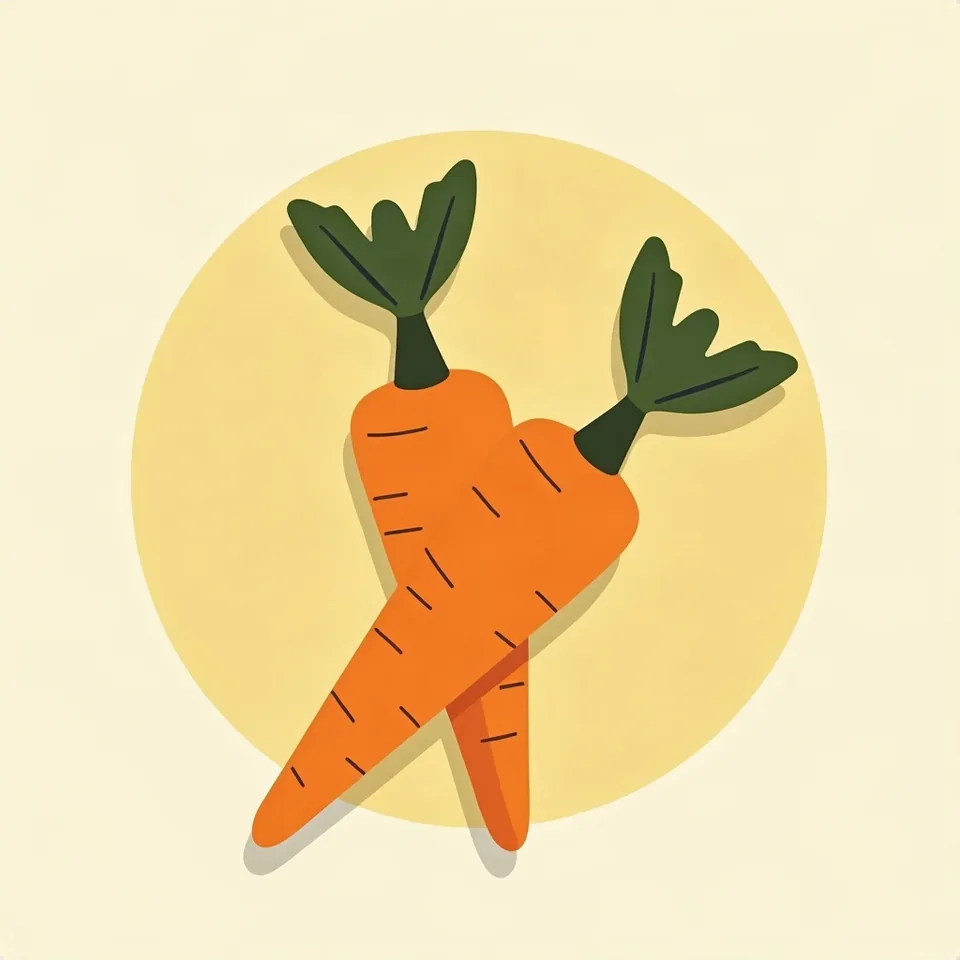
Yes, carrots are safe for dogs and rank among the best treats you can give them. They're low in calories, full of fiber and beta-carotene, and raw carrots even help clean teeth. Cut them to a size that suits your dog.
Can dogs eat pumpkin?
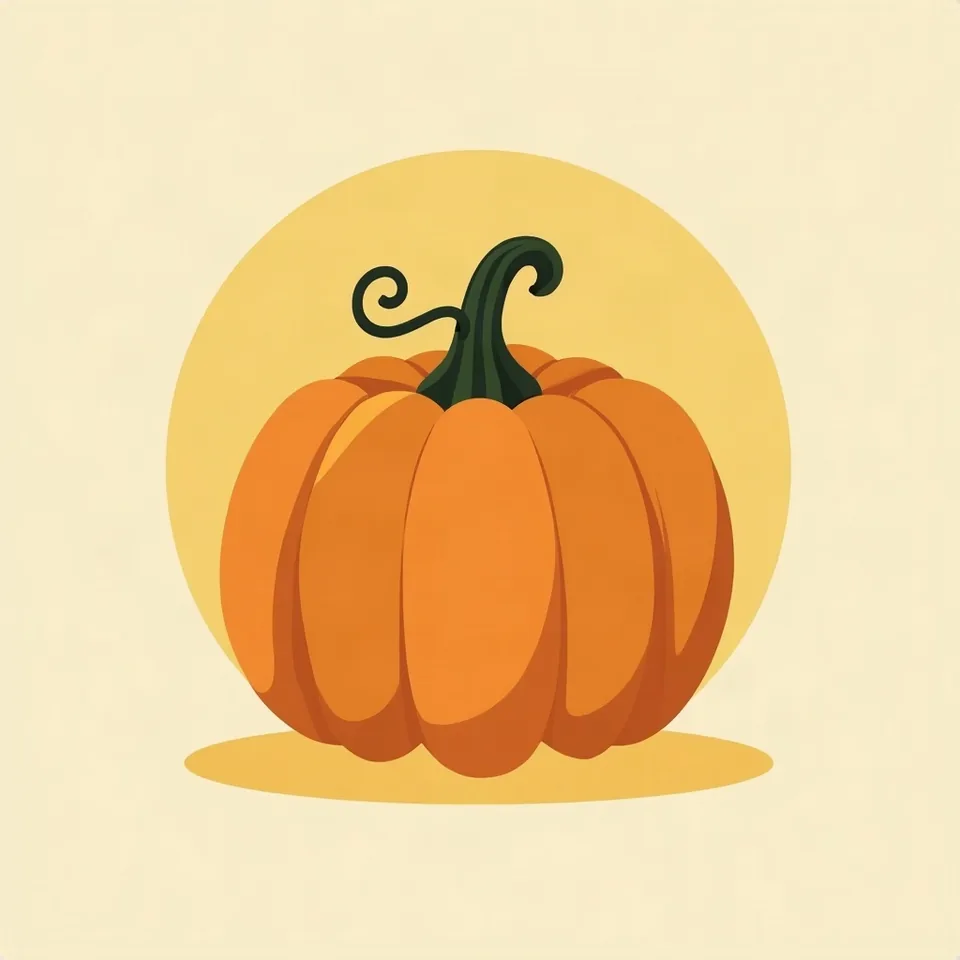
Yes, cooked or plain pumpkin flesh is very healthy for dogs, and vets often recommend it to help with digestive upset. Always choose plain pumpkin puree, never pie filling with added sugar and spices.
More from drinks
Sources
- ASPCA: People Foods to Avoid Feeding Your Pets
- Merck Veterinary Manual: Chocolate Toxicosis in Animals
Last updated 2 September 2026.