Can dogs eat almonds?
Short answer
No, almonds aren't recommended for dogs. They're not toxic the way macadamia nuts are, but dogs digest them poorly, a whole nut poses a choking risk, and the high fat content can trigger pancreatitis.
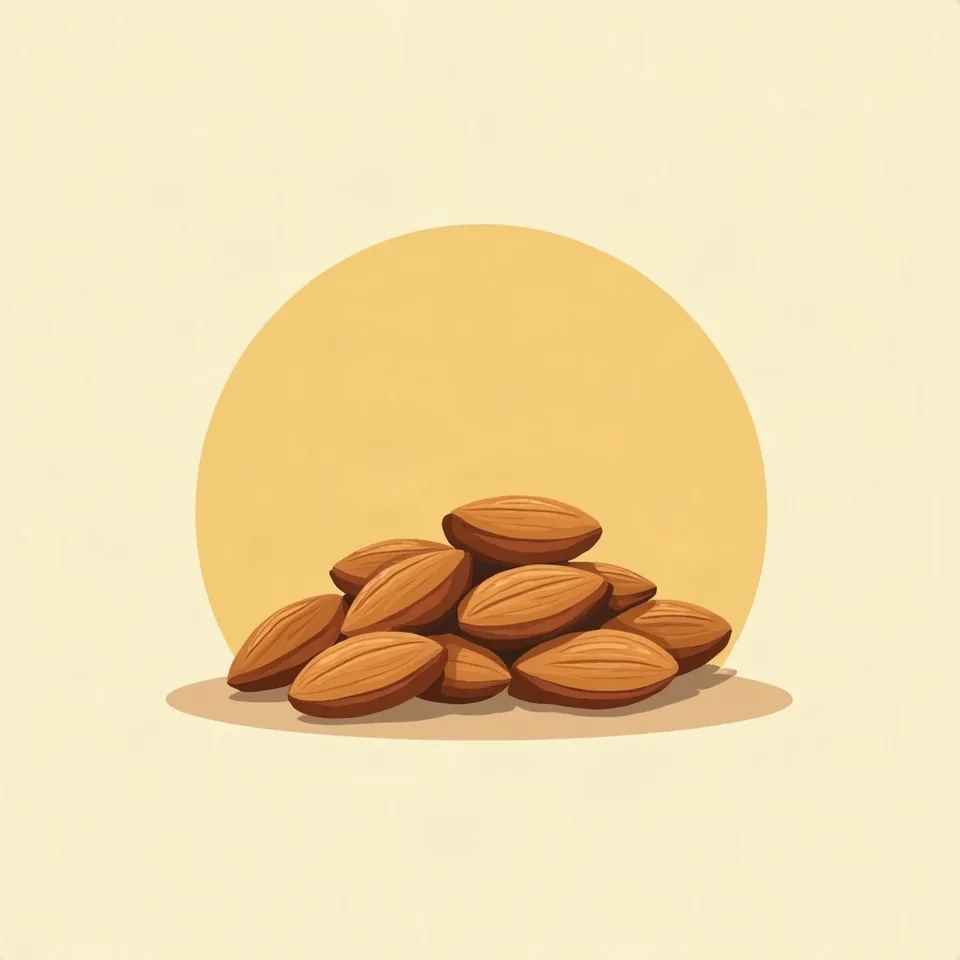
Almonds aren't toxic to dogs, but they're still a nut that's better left out of the diet. A dog's digestive system handles them poorly, whole almonds carry a choking risk, and regular feeding puts extra strain on the pancreas from the fat content. Here's why they're worth avoiding.
Why not
Almonds don't contain a substance that's directly toxic to dogs the way macadamia nuts or grapes do. The problem lies elsewhere, a dog's digestive system can't break down nut cell walls very well, so almonds often pass through only partially processed and can cause bloating or loose stool.
Whole almonds are hard and irregularly shaped, which makes them a choking or esophageal obstruction risk, particularly for small and medium breeds that tend to gulp food without chewing it thoroughly. The risk grows if a dog eats several at once or doesn't chew them properly.
Almonds are high in fat. An occasional almond likely won't hurt a large, healthy dog, but repeated feeding can contribute to pancreatitis in predisposed breeds, a painful condition that often requires hospitalization and intensive treatment.
Salted, roasted, or flavored almonds (smoked, garlic, honey-roasted) are additionally problematic because of their high sodium content and possible onion, garlic, or sugar additions, so they're unsuitable in any amount regardless of the dog's size or breed.
Rough portion
There's essentially no safe portion, the choking and digestive risks outweigh any benefit, so it's best to leave almonds out of the diet entirely.
Risks
- Choking or esophageal obstruction risk from a whole nut, especially in small breeds.
- Poor digestibility leading to bloating and digestive upset.
- High fat content raising the risk of pancreatitis with repeated feeding.
- Salted and flavored varieties contain excess sodium, and sometimes onion or garlic.
Symptoms to watch for
- Coughing, gagging, trouble breathing if choking occurs
- Vomiting or diarrhea
- Abdominal pain
- Loss of appetite after a larger amount
Your dog already ate almonds. What now?
- Check that your dog is breathing normally and not coughing, signs of choking or trouble swallowing are an emergency.
- After eating a few almonds, watch digestion for the next 24 hours and contact your vet if vomiting or abdominal pain occurs.
- If your dog ate a large amount of salted or flavored almonds, watch for excessive thirst and signs of salt or onion toxicity.
Common questions about dogs and almonds
Are almonds poisonous to dogs?
Not in the direct sense that chocolate or grapes are, but they're not recommended because of the choking risk, poor digestibility, and high fat content. If your dog eats one almond by accident, it's usually not a big deal, but they shouldn't become a regular treat.
What if my dog swallowed an almond whole?
In larger dogs it usually passes without issue, but in small breeds it can cause choking or a blockage in the esophagus or intestine. Watch for breathing changes, coughing, and appetite, and see a vet if trouble swallowing or repeated vomiting occurs.
Can I give my dog almond milk?
A small amount with no added sugar or flavoring is usually fine, but it offers no real nutritional benefit for a dog, and sweetened or flavored versions add unnecessary sugar. Plain water or a small amount of a dog-safe milk replacer is a better option.
Why aren't almonds as dangerous as macadamia nuts?
Macadamia nuts contain a substance that directly affects a dog's nervous and muscular systems even in small amounts. No comparable toxin has been identified in almonds, the risks are more mechanical (choking) and digestive (fat), which is why the assessment is milder, though avoiding them is still the safer call.
Safer alternatives
Can dogs eat apples?
Yes, dogs can eat apples. The flesh is safe, full of fiber and vitamin C, and even gives teeth a light mechanical clean. Always remove the core and seeds, though, and don't feed large pieces at once.
Can dogs eat carrots?
Yes, carrots are safe for dogs and rank among the best treats you can give them. They're low in calories, full of fiber and beta-carotene, and raw carrots even help clean teeth. Cut them to a size that suits your dog.
Can dogs eat peanuts?
Yes, raw or roasted unsalted peanuts without the shell are fine for dogs in small amounts. Shells, salted peanuts, and flavored varieties aren't recommended because of the risk of a blocked gut and too much sodium.
Can dogs eat pumpkin?
Yes, cooked or plain pumpkin flesh is very healthy for dogs, and vets often recommend it to help with digestive upset. Always choose plain pumpkin puree, never pie filling with added sugar and spices.
More from nuts and seeds

Can dogs eat cashews?
Yes, dogs can eat cashews, but only raw, unsalted ones and in small amounts. Cashews are high in fat, so larger portions can cause digestive upset or contribute to pancreatitis.
Can dogs eat coconut?
Yes, a small piece of fresh coconut flesh with the shell removed usually won't hurt a dog. Because of the high fat content and the risk of injury from the hard shell, though, coconut should stay an occasional treat.
Can dogs eat macadamia nuts?
No, macadamia nuts are toxic to dogs. As little as 6 nuts for a 22 lb dog can cause weakness, tremors, and fever, so your dog should never get even one.
Sources
Last updated 2 September 2026.