Can dogs eat peanuts?
Short answer
Yes, raw or roasted unsalted peanuts without the shell are fine for dogs in small amounts. Shells, salted peanuts, and flavored varieties aren't recommended because of the risk of a blocked gut and too much sodium.
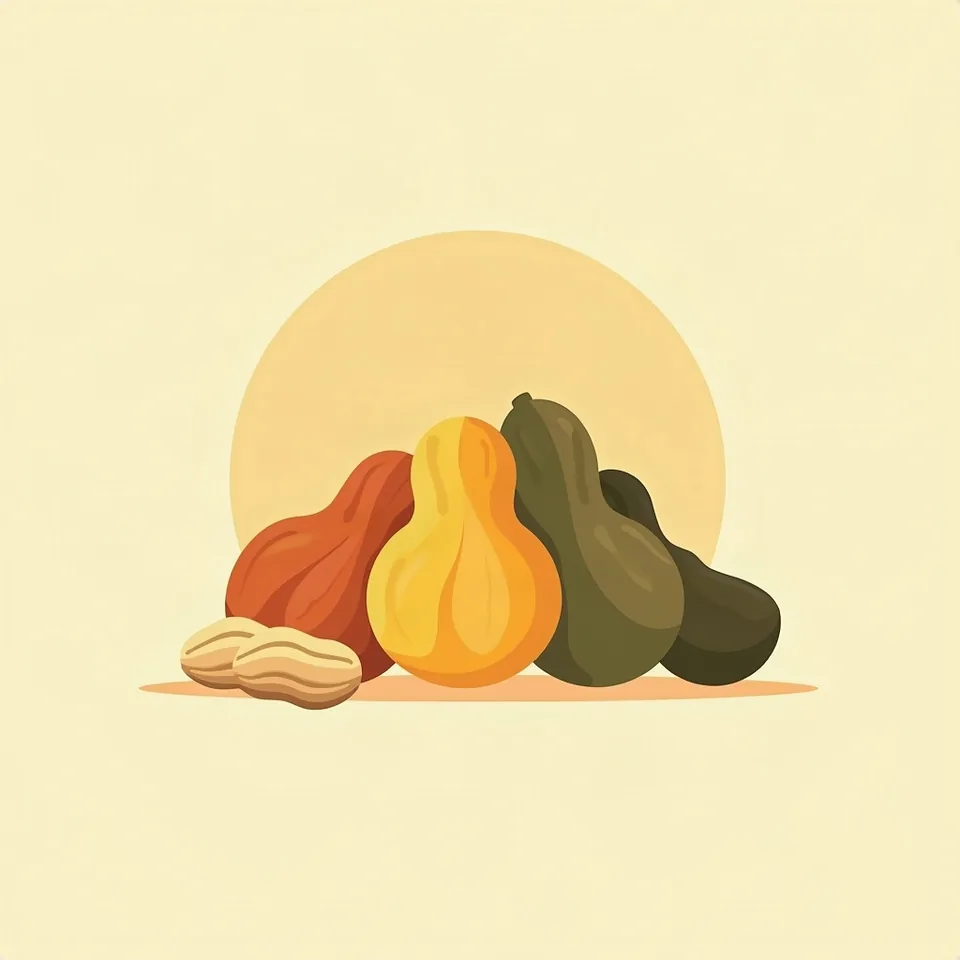
Peanuts aren't toxic to dogs, and unsalted, shelled peanuts make a safe treat in small amounts. Because they're high in fat and can carry mold, they should stay an occasional treat rather than a regular part of the diet. Here's how to offer them safely.
Why only in moderation
Peanuts are technically a legume, not a true nut, and they aren't on the list of foods toxic to dogs. They contain protein and unsaturated fat, so a small amount of unsalted, shelled peanuts won't hurt a dog, and many dogs enjoy them as a reward during obedience training or nose work.
The main concern is the high fat content. Regular or generous feeding can contribute to weight gain, and in dogs prone to it, trigger pancreatitis. That's why peanuts belong in the occasional-treat category, not the daily diet, even for a healthy, active dog.
Salted peanuts, or ones roasted with spices or sugar, contain far more sodium or sugar than is good for a dog and aren't recommended. The shell is also tough and hard to digest and can block the digestive tract, so it should always be removed before offering peanuts.
Moldy peanuts are a genuine hazard. They can contain aflatoxin, a toxin produced by Aspergillus mold that damages the liver. Always check that peanuts are fresh and in good condition before giving them to a dog, and throw out any old or stale-smelling bag.
How to serve peanuts
- Offer only raw or roasted peanuts, shelled, unsalted, and unflavored.
- Always check that the peanuts aren't moldy, stale, or old.
- Give one or two at a time as a training reward, not as a regular snack.
- Always remove the shell, and don't leave a bag of peanuts within reach of your dog.
Rough portion
Small dog: 1 to 2 peanuts. Medium dog: a handful (5 to 6). Large dog: no more than 8 to 10. An occasional treat only, not a daily one, given the high fat content.
Risks
- High fat content raises the risk of pancreatitis and weight gain with excess amounts.
- The shell is tough and can block the digestive tract or injure the mouth.
- Moldy peanuts can contain aflatoxin, which is toxic to the liver.
- Salted and flavored varieties contain excessive sodium.
Symptoms to watch for
- Vomiting and diarrhea after a larger amount
- Abdominal pain
- Loss of appetite and lethargy (rare, with aflatoxin poisoning)
- Jaundice with severe liver damage (rare)
Your dog already ate peanuts. What now?
- A small amount of shelled, unsalted peanuts usually doesn't call for any action.
- If your dog eats peanuts still in the shell, or a larger amount at once, keep an eye on digestion and appetite.
- Contact your vet if you suspect the peanuts were moldy, or if digestive upset doesn't clear up.
Common questions about dogs and peanuts
Are peanuts poisonous to dogs?
No, unlike macadamia nuts, peanuts aren't toxic to dogs. Unsalted, shelled peanuts are a safe treat in small amounts, though because of their high fat content they aren't recommended as a regular part of the diet.
Can I give my dog salted peanuts?
It's not recommended. Salted peanuts contain far more sodium than is good for a dog, and a larger amount can cause excessive thirst, vomiting, or, in extreme cases, salt poisoning. Always choose the unsalted variety.
What should I do if my dog ate peanuts still in the shell?
Watch digestion and stools for the next 24 to 48 hours. Tough shells can irritate the digestive tract or, in rare cases, cause a blockage, especially in small breeds. See a vet if you notice vomiting, loss of appetite, or a bloated belly.
Are peanuts safer than walnuts or almonds?
Among commonly available nuts and legumes, unsalted, shelled peanuts are one of the safer choices, since they don't carry the specific risks of moldy walnuts or the choking risk sometimes linked to almonds. The same rule still applies though: only in moderation.
Other good treats
Can dogs eat apples?
Yes, dogs can eat apples. The flesh is safe, full of fiber and vitamin C, and even gives teeth a light mechanical clean. Always remove the core and seeds, though, and don't feed large pieces at once.
Can dogs eat bananas?
Yes, dogs can eat banana, but only as an occasional treat. It's safe and dogs tend to love it, but it's high in sugar. A small dog only needs 2 to 3 slices, a large dog about half a banana.
Can dogs eat carrots?
Yes, carrots are safe for dogs and rank among the best treats you can give them. They're low in calories, full of fiber and beta-carotene, and raw carrots even help clean teeth. Cut them to a size that suits your dog.
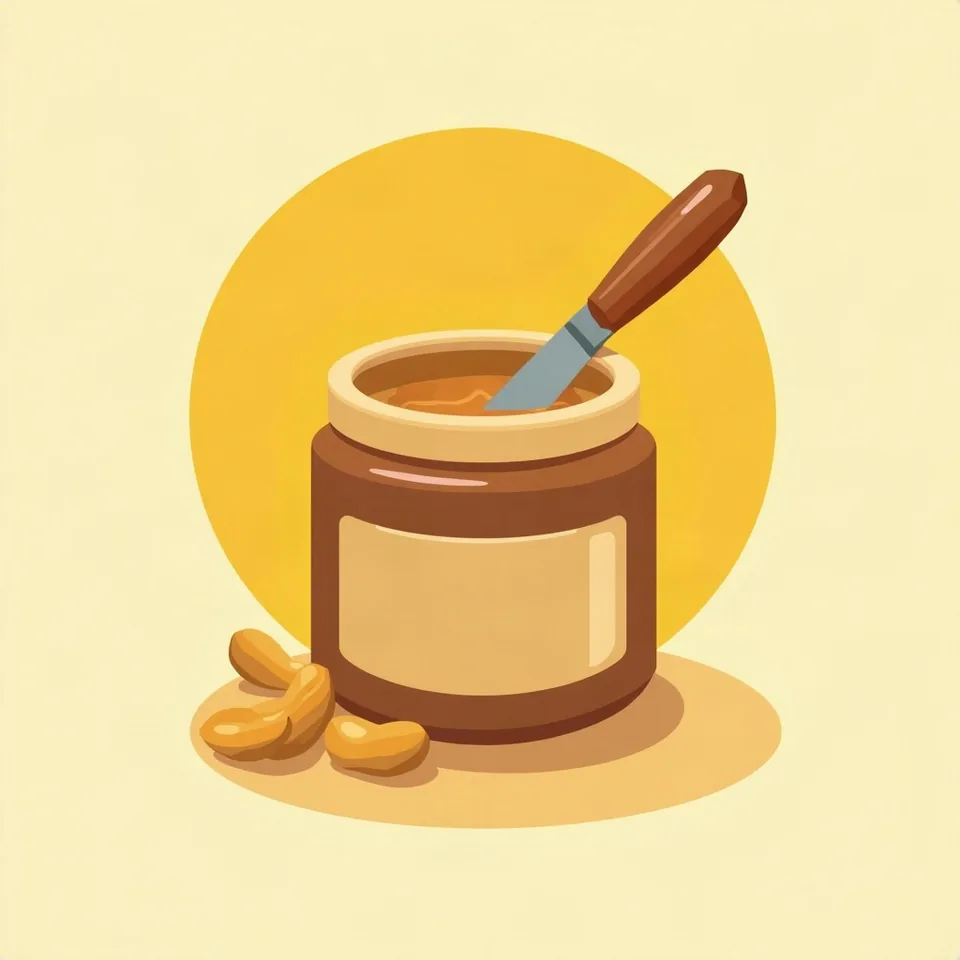
Can dogs eat peanut butter?
Yes, peanut butter without xylitol, added sugar, or salt is a popular, safe treat for dogs in small amounts. Always check the label carefully, since some “light” or high-protein versions contain xylitol, which is deadly to dogs.
More from nuts and seeds
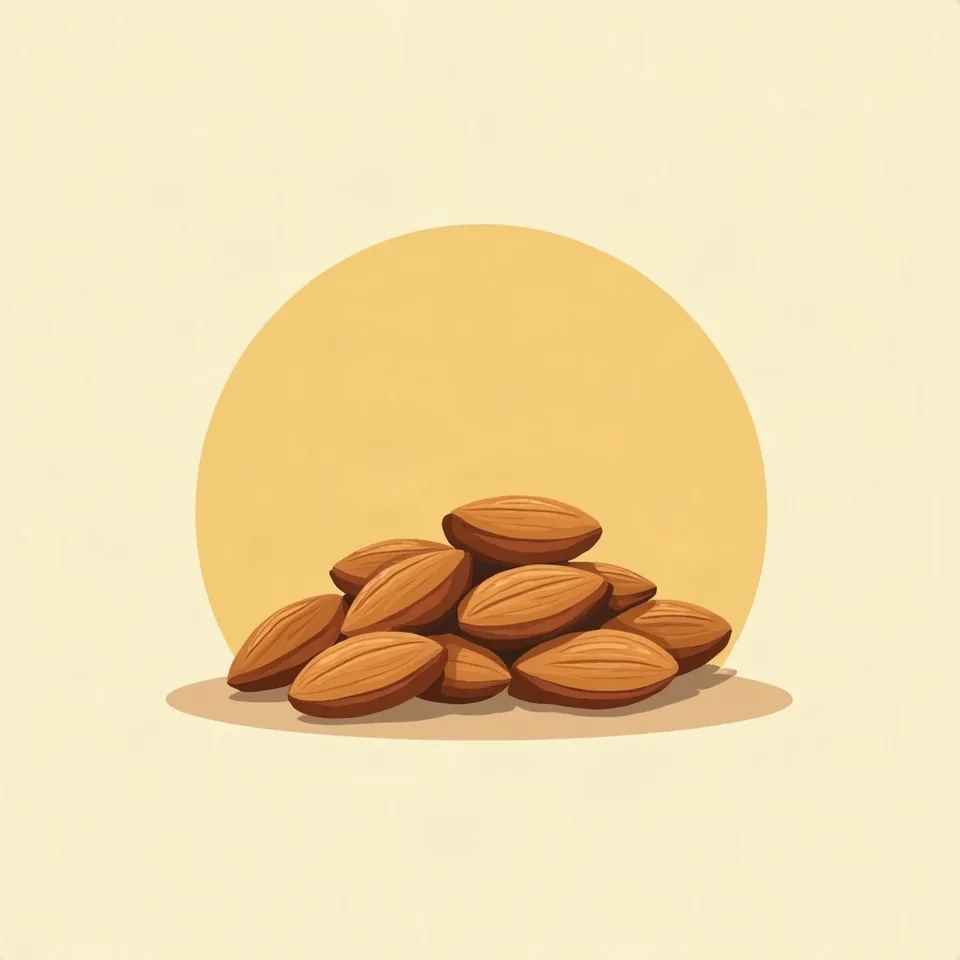
Can dogs eat almonds?
No, almonds aren't recommended for dogs. They're not toxic the way macadamia nuts are, but dogs digest them poorly, a whole nut poses a choking risk, and the high fat content can trigger pancreatitis.
Can dogs eat cashews?
Yes, dogs can eat cashews, but only raw, unsalted ones and in small amounts. Cashews are high in fat, so larger portions can cause digestive upset or contribute to pancreatitis.
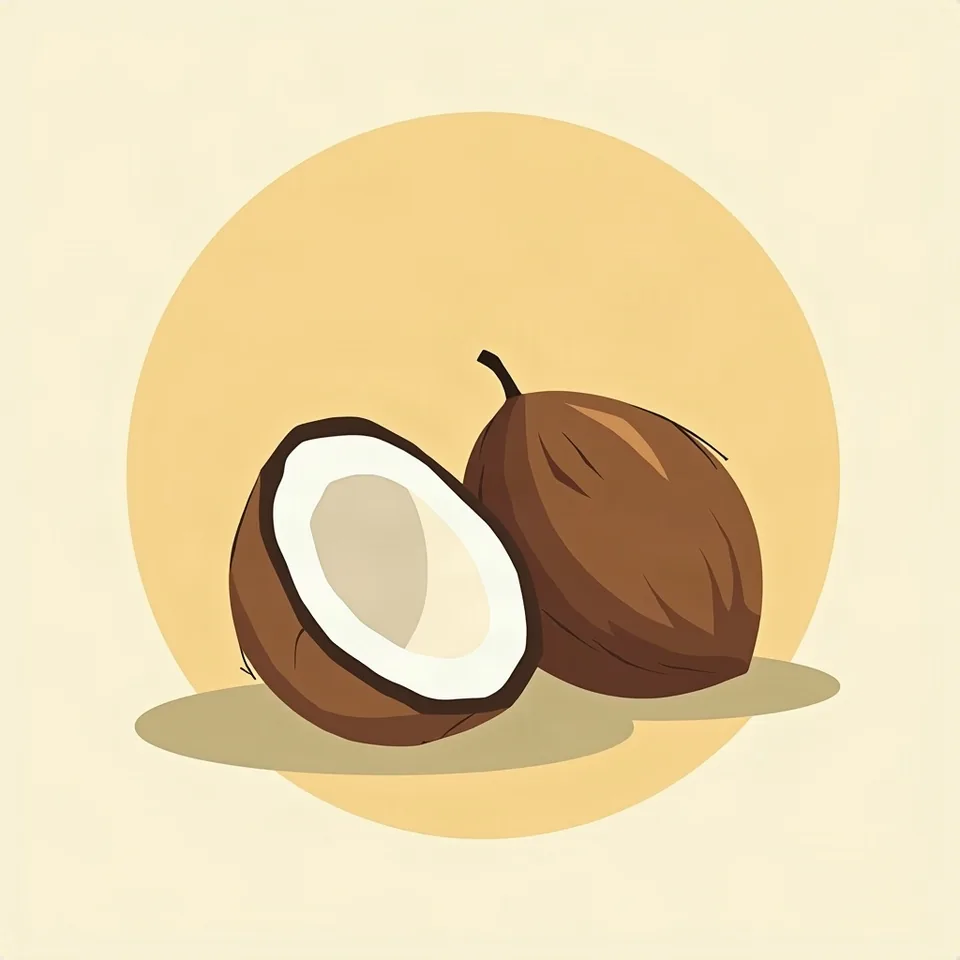
Can dogs eat coconut?
Yes, a small piece of fresh coconut flesh with the shell removed usually won't hurt a dog. Because of the high fat content and the risk of injury from the hard shell, though, coconut should stay an occasional treat.
Sources
Last updated 2 September 2026.