Can dogs eat beef?
Short answer
Yes, cooked or stewed lean beef is an excellent source of protein for dogs and is one of the most common ingredients in both homemade and commercial dog food. Just avoid fatty cuts, seasoning, and the risks that come with raw meat.
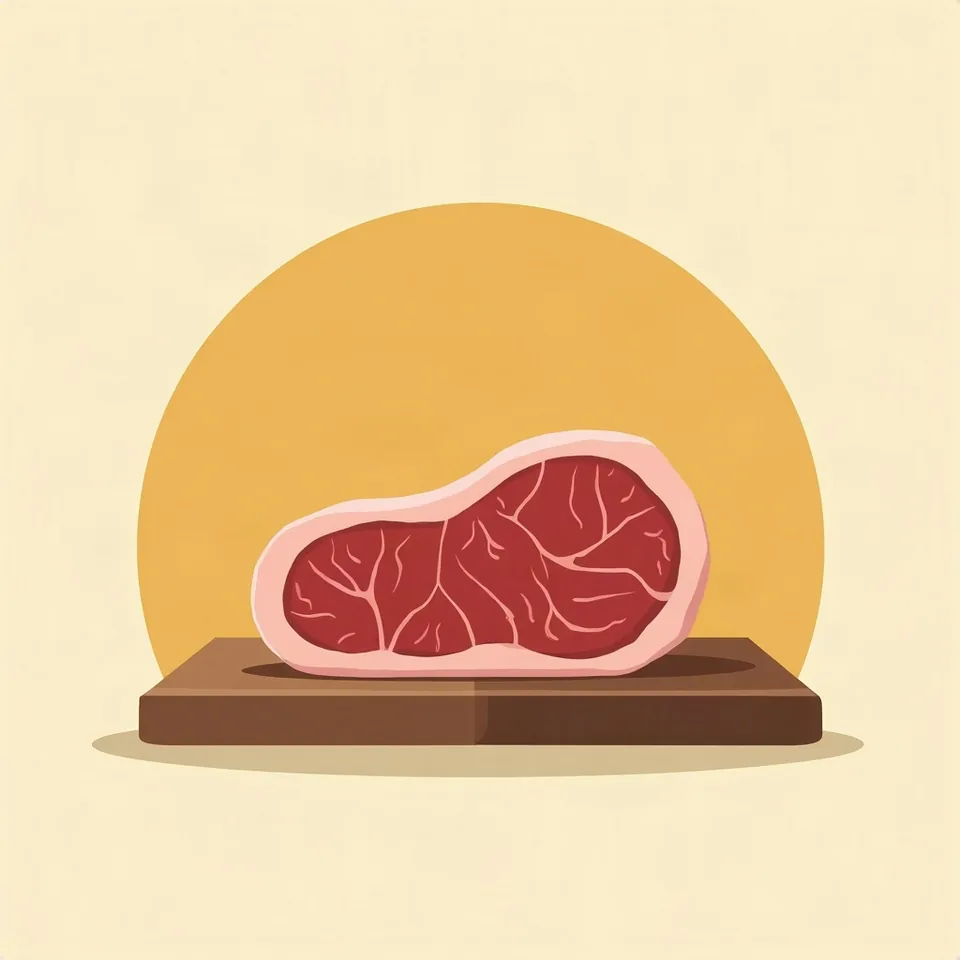
Beef is one of the highest-quality protein sources for dogs and a staple ingredient in many complete dog foods. We'll cover which cut to choose, how to prepare it, and what to watch for so it's genuinely good for your dog.
Why it is fine
Beef contains the full range of amino acids a dog needs to build muscle, coat, and immune function, plus iron, zinc, and vitamin B12. That's why it's one of the most common protein sources in both commercial food and home-cooked diets.
Fat content varies a lot by cut. Lean cuts like top round or chuck are low in fat, while ground beef and cuts with a fat rim are much higher. Regularly feeding fattier cuts raises the risk of pancreatitis, especially in breeds prone to it.
Preparation matters just as much as the cut. Cook, stew, or grill beef with no salt, onion, garlic, or other seasoning; marinades and restaurant leftovers aren't suitable. Raw beef is a popular part of a raw (BARF) diet, but it carries the same risks as other raw meat, namely bacteria and occasionally parasites, and needs a quality source and careful hygiene.
Beef bones follow the same rule as bones from any other animal: never give cooked bones, since they can splinter into sharp fragments; raw meaty bones can be included only if appropriately sized and given under supervision.
How to serve beef
- Choose lean cuts (chuck, top round, rump) and trim off visible fat before cooking.
- Prepare by boiling, stewing, or grilling with no salt, onion, garlic, or seasoning.
- Cut into bite-sized pieces for your dog's size and let it cool before serving.
- Skip restaurant leftovers or beef marinated or grilled with sauce; it contains salt, fat, and often onion or garlic.
Rough portion
Small dog: about 30 g (1 oz) of cooked meat added to the bowl. Medium dog: 50-70 g (2-2.5 oz). Large dog: around 100 g (3.5 oz). A few times a week as part of a varied diet; with kibble, treat it as a topper, not a replacement for complete food, without checking with your vet first.
Risks
- Pancreatitis from regularly feeding fatty cuts or high-fat ground beef.
- Weight gain from portions that exceed daily energy needs.
- Onion, garlic, or seasoning poisoning if the beef is prepared the way people eat it.
- Bacterial risk from raw meat if you choose the raw option.
Symptoms to watch for
- Vomiting and abdominal pain after a fatty meal
- Diarrhea
- Lethargy and loss of appetite
- Increased thirst and urination from dehydration
Your dog already ate beef. What now?
- If your dog steals raw or fatty beef off the counter, watch for 24-48 hours for vomiting or a painful abdomen; pancreatitis is the main concern.
- Check whether the beef was cooked with onion, garlic, or heavy seasoning; if so, contact your vet, since those ingredients are toxic to dogs.
- See a vet for persistent vomiting, diarrhea, or lethargy, especially in breeds prone to pancreatitis.
Common questions about dogs and beef
Can dogs eat beef every day?
Lean, cooked beef can be a regular part of the diet as long as it's balanced with other nutrients and doesn't exceed the recommended protein share. Beef alone isn't a balanced diet, though; it needs carbohydrates, fat, and micronutrients added according to a proper recipe.
Is ground beef okay for dogs?
Yes, as long as it's lean, unsalted, unseasoned ground beef that's been properly cooked. Cheaper ground beef tends to be fattier, which raises the risk of pancreatitis with frequent feeding, so choose a leaner mix or drain the fat after cooking.
Can dogs eat raw beef?
Yes, raw beef is a common part of a BARF diet and isn't toxic on its own, but it carries a risk of bacterial contamination, such as salmonella or E. coli, like any raw meat. It requires a quality source, hygienic preparation, and ideally a well-planned recipe with other ingredients.
What's the healthiest meat for dogs?
There's no single best meat; lean chicken, turkey, and beef are nutritionally similar, and rotating between them is a good approach. How it's prepared matters more than which meat you choose: no skin or fat, no salt or seasoning, cooked thoroughly, or from a quality source if feeding raw.
Other good treats
Can dogs eat carrots?
Yes, carrots are safe for dogs and rank among the best treats you can give them. They're low in calories, full of fiber and beta-carotene, and raw carrots even help clean teeth. Cut them to a size that suits your dog.

Can dogs eat eggs?
Yes, eggs are an excellent source of protein and biotin for dogs, ideally boiled or scrambled without salt or fat. Raw eggs aren't recommended because of the risk of salmonella and reduced biotin absorption.
Can dogs eat fish?
Yes, well-cooked, boneless fish is a healthy source of protein and omega-3 fatty acids for dogs. Raw fish and fish bones are not recommended, though, because of the risk of parasites, thiamine deficiency, and injury to the digestive tract.

Can dogs eat chicken?
Yes, cooked chicken with no skin, bones, or seasoning is one of the best and most digestible protein sources for dogs. Vets commonly recommend it as part of a bland diet for stomach upset too.
More from meat and fish
Can dogs eat cooked bones?
No, don't give dogs cooked bones of any kind, whether from chicken, turkey, pork or beef. Cooking makes bones brittle, so they easily splinter into sharp fragments that can injure the oesophagus, stomach or intestines and even cause a fatal blockage.
Can dogs eat chicken bones?
Yes, but only raw chicken bones of an appropriate size, never cooked. Cooked bones splinter into sharp shards that can pierce the throat or gut. Even raw bones carry a choking or injury risk, so always supervise your dog while feeding them.
Can dogs eat pork?
Yes, well-cooked lean pork without seasoning is safe for dogs, but raw or undercooked pork, especially from wild boar, must never be fed because of the risk of parasites and transmissible disease.
Sources
- WSAVA Global Nutrition Committee: Guidelines on selecting pet foods and treats
- AKC: Can Dogs Eat Beef?
Last updated 2 September 2026.