Can dogs eat pork?
Short answer
Yes, well-cooked lean pork without seasoning is safe for dogs, but raw or undercooked pork, especially from wild boar, must never be fed because of the risk of parasites and transmissible disease.
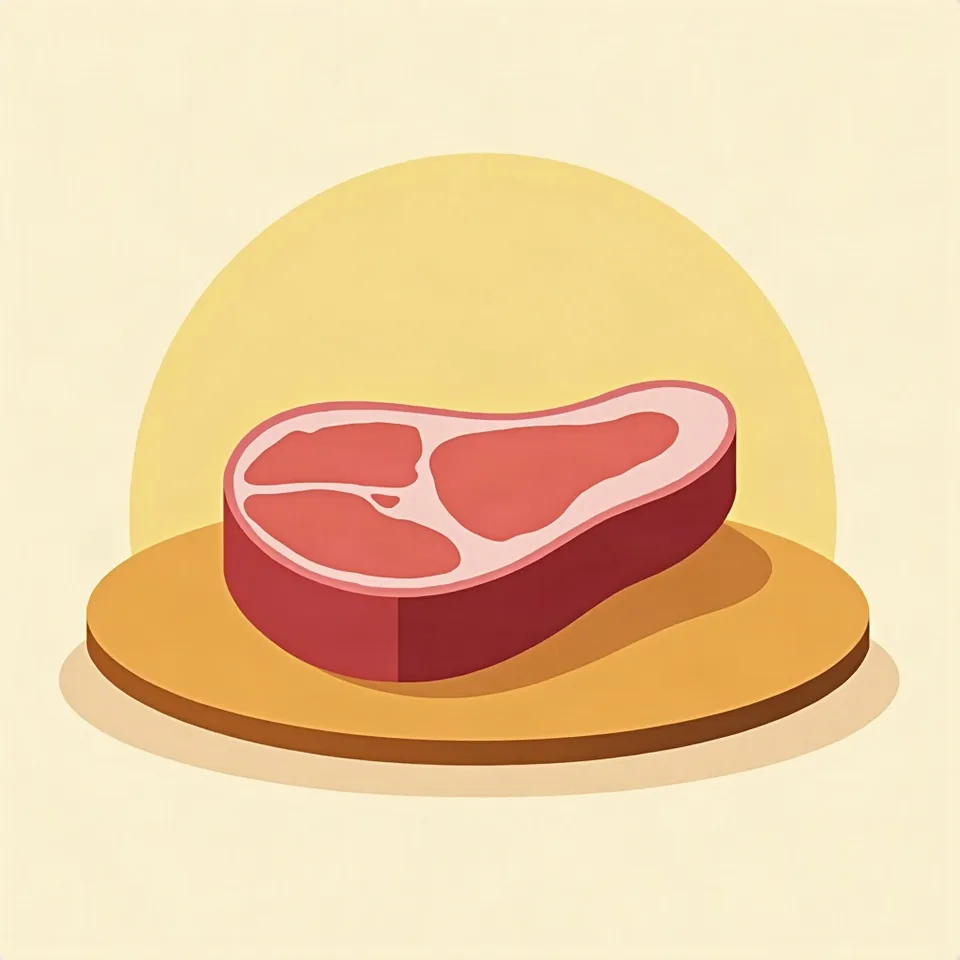
Pork is a good source of protein, but it's one of the fattier meats, and raw pork carries specific risks that chicken or beef don't. Here's when pork is fine and when to avoid it altogether.
Why only in moderation
Cooked lean pork has a similar nutritional profile to chicken or beef: it's rich in protein, B vitamins and zinc. The real issue tends to be the fattier cuts, such as belly or chops with a thick fat rim, and cured meats, which put a strain on the pancreas with regular feeding and can trigger vomiting or diarrhoea.
Raw pork from commercially farmed pigs carries very little risk of Aujeszky's disease (pseudorabies) in countries, including most of the US and UK, where domestic herds are officially free of the virus. Wild boar are a different story: they can carry and shed the Aujeszky's disease virus without showing symptoms themselves, and for a dog the infection is almost always fatal, with no effective treatment.
Another risk with raw pork, especially from wild boar, is Trichinella, the parasite behind trichinosis, which can settle in a dog's muscles and cause a painful inflammatory illness. Thorough cooking, right through with no pink left in the middle, reliably eliminates both risks.
Processed pork products such as ham, bacon, salami and sausages are heavily salted, often contain onion, garlic or other seasoning, and are loaded with preservatives. These have little in common with fresh pork and belong on the list of foods not to give dogs at all.
How to serve pork
- Always cook the meat thoroughly, boiling or roasting it until no pink remains inside.
- Choose leaner cuts and trim off any visible fat before serving.
- Skip the salt, seasoning, onion and garlic; serve the meat plain.
- Feed meat from wild boar only if it has been cooked thoroughly all the way through, never raw.
Rough portion
Small dog: a few small pieces as a food topper. Medium dog: a palm-sized portion. Large dog: a somewhat larger portion. Serve pork as part of a varied diet once or twice a week, not as an everyday main protein source, because of its higher fat content.
Risks
- Aujeszky's disease from raw meat from wild boar, almost always fatal in dogs and untreatable.
- Trichinosis from undercooked meat, especially from wild boar.
- Pancreatitis from regularly feeding fatty cuts or cured meats.
- Salt, onion or garlic poisoning from processed pork products.
Symptoms to watch for
- Aujeszky's disease: intense itching, restlessness, excessive drooling, behaviour changes, rapid neurological decline
- Vomiting, diarrhoea, abdominal pain (pancreatitis or ordinary digestive upset)
- Lethargy, loss of appetite
- Fever
Your dog already ate pork. What now?
- If your dog ate raw pork from a trusted commercial source, it usually isn't an emergency; watch for digestive upset over 24-48 hours.
- If it was meat from wild boar (from hunting) or of unknown origin, contact your vet immediately. Aujeszky's disease cannot be treated, and how fast you seek advice matters.
- Watch especially for intense itching around the face or head and a sudden change in behaviour, a typical early sign of Aujeszky's disease that needs immediate veterinary attention.
- After a fatty cut or cured meat, watch for signs of pancreatitis, such as vomiting, abdominal pain or lethargy, and see your vet if they appear.
Common questions about dogs and pork
Can dogs eat raw pork?
The risk from meat sourced from commercial farms is low, since domestic pig herds across most of the US and UK are officially free of Aujeszky's disease, but raw pork still isn't recommended in general because of the risk of trichinosis and other pathogens. Raw meat from wild boar should never be fed to a dog: the risk of a transmissible, almost always fatal infection is real.
What is Aujeszky's disease, and is it dangerous for dogs?
It's a viral disease spread mainly by pigs and wild boar. For dogs it's almost always fatal, and there is no treatment. Commercial pig herds across most of the US and UK are officially free of the virus, but the risk persists in wild boar. The only reliable prevention is cooking pork thoroughly.
Can I give my dog a pork bone?
The same rules apply as with any other bone: never give cooked bones, because they can splinter into sharp fragments. A raw pork bone is somewhat less risky, but choking or digestive tract injury is still a possibility, so only offer one of an appropriate size and under supervision.
Is pork harder for dogs to digest than chicken?
Pork tends to be fattier than chicken breast, so it's more demanding on digestion, and in sensitive dogs or breeds prone to pancreatitis it can more easily trigger digestive upset. Lean, well-cooked cuts with the fat trimmed off are fine in reasonable amounts.
Other good treats
Can dogs eat beef?
Yes, cooked or stewed lean beef is an excellent source of protein for dogs and is one of the most common ingredients in both homemade and commercial dog food. Just avoid fatty cuts, seasoning, and the risks that come with raw meat.

Can dogs eat eggs?
Yes, eggs are an excellent source of protein and biotin for dogs, ideally boiled or scrambled without salt or fat. Raw eggs aren't recommended because of the risk of salmonella and reduced biotin absorption.
Can dogs eat fish?
Yes, well-cooked, boneless fish is a healthy source of protein and omega-3 fatty acids for dogs. Raw fish and fish bones are not recommended, though, because of the risk of parasites, thiamine deficiency, and injury to the digestive tract.
Can dogs eat chicken?
Yes, cooked chicken with no skin, bones, or seasoning is one of the best and most digestible protein sources for dogs. Vets commonly recommend it as part of a bland diet for stomach upset too.
More from meat and fish
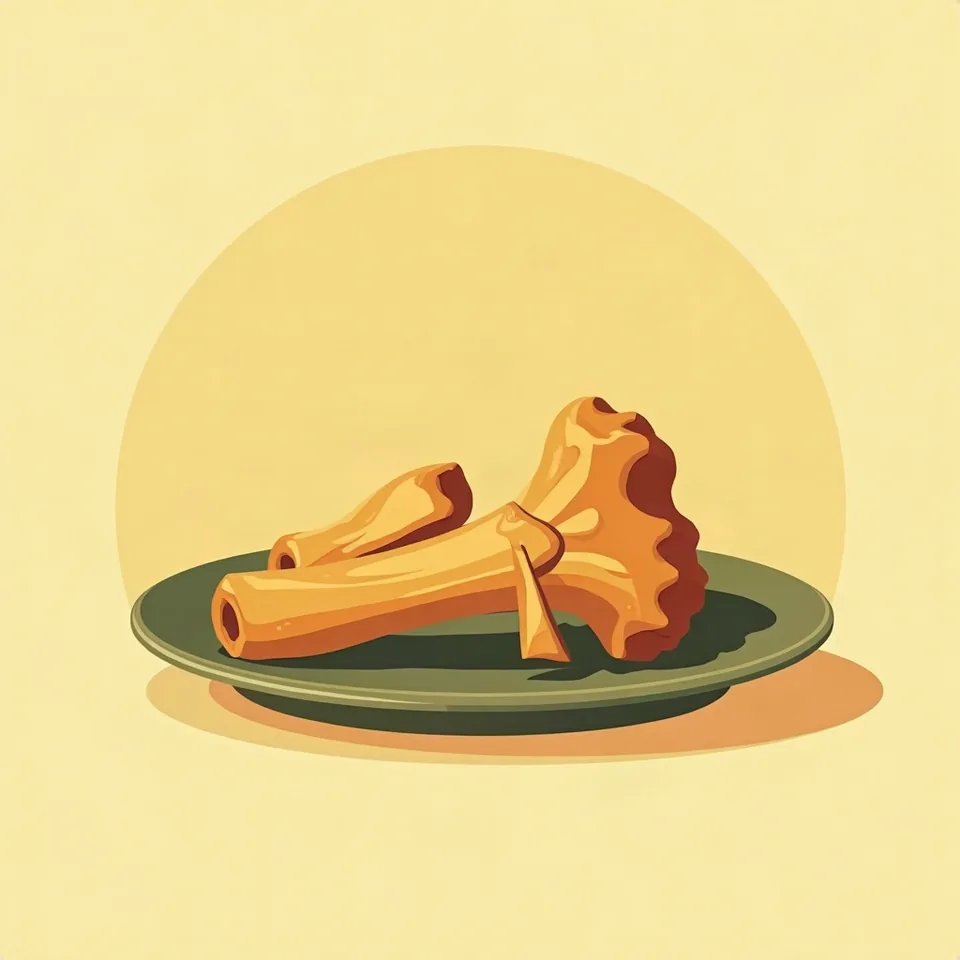
Can dogs eat cooked bones?
No, don't give dogs cooked bones of any kind, whether from chicken, turkey, pork or beef. Cooking makes bones brittle, so they easily splinter into sharp fragments that can injure the oesophagus, stomach or intestines and even cause a fatal blockage.
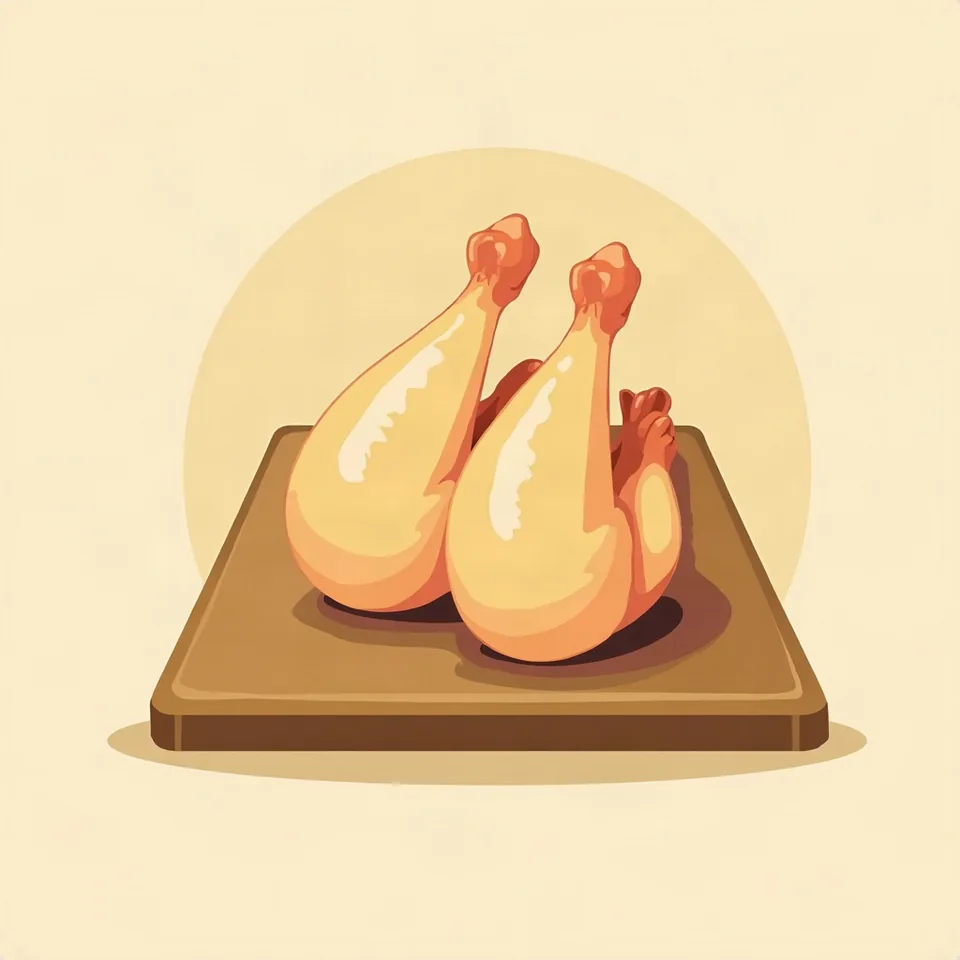
Can dogs eat chicken bones?
Yes, but only raw chicken bones of an appropriate size, never cooked. Cooked bones splinter into sharp shards that can pierce the throat or gut. Even raw bones carry a choking or injury risk, so always supervise your dog while feeding them.

Can dogs eat raw meat?
Yes, raw meat isn't toxic to dogs and forms the backbone of BARF diets, but it carries a real risk of bacterial contamination such as salmonella, listeria and E. coli, mainly to the people in the household. It calls for a trustworthy source and strict hygiene.
Sources
- Merck Veterinary Manual: Pseudorabies (Aujeszky's Disease)
- USDA APHIS: Pseudorabies (Aujeszky's Disease) in Swine
Last updated 2 September 2026.