Can dogs eat chicken?
Short answer
Yes, cooked chicken with no skin, bones, or seasoning is one of the best and most digestible protein sources for dogs. Vets commonly recommend it as part of a bland diet for stomach upset too.

Chicken is the go-to protein in most dog food and home-cooked meals. It's lean, easy to digest, and dogs love it. Here's how to prepare it properly, and when it doubles as a bland diet for an upset stomach.
Why it is fine
Skinless chicken breast and thigh are a nutritionally solid, easily digested, low-fat protein source. That's exactly why cooked chicken with rice is the classic bland diet vets recommend for dogs after digestive upset or during recovery.
Chicken skin and fat, on the other hand, are a problem; they contain far more fat than the plain meat and, with regular feeding, raise the risk of pancreatitis. Fried or roasted chicken with the skin on isn't suitable for dogs, and neither is fast-food chicken.
Store-bought grilled or roasted chicken is often seasoned with blends containing onion or garlic powder, which are toxic to dogs even in small amounts. If you want to give your dog chicken, prepare it at home with no seasoning, or check the exact marinade ingredients on store-bought chicken first.
Raw chicken carries the same risk of bacterial contamination (salmonella, campylobacter) as other raw meat and requires a quality source and strict hygiene. Chicken bones follow their own separate rule: never give cooked bones; raw ones only if appropriately sized and supervised.
How to serve chicken
- Boil, steam, or bake with no skin, bones, salt, or seasoning.
- Let the meat cool, then chop or shred it into bites sized for your dog.
- For stomach upset, combine with cooked white rice in roughly a 1:2 ratio (meat to rice) for 2-3 days, or as your vet recommends.
- Only serve store-bought roast chicken after confirming the marinade contains no onion, garlic, or excess salt.
Rough portion
Small dog: about 30 g (1 oz) of cooked meat. Medium dog: 50-70 g (2-2.5 oz). Large dog: 100-150 g (3.5-5 oz) per serving, a few times a week as part of the diet. As a bland diet after stomach upset, it can briefly (2-3 days) make up the bulk of meals with your vet's guidance.
Risks
- Pancreatitis from regularly feeding the skin or fried chicken.
- Onion or garlic poisoning from seasoned or marinated chicken products.
- Choking or digestive tract injury from bones, especially cooked ones.
- Bacterial risk (salmonella, campylobacter) from raw chicken sourced from a low-quality supplier.
Symptoms to watch for
- Vomiting, diarrhea
- Abdominal pain, lethargy
- Weakness and pale gums (with onion poisoning, from red blood cell damage)
- Refusing food
Your dog already ate chicken. What now?
- If your dog ate leftover roast chicken with the skin on, watch for 24-48 hours for vomiting or abdominal pain.
- Check whether the chicken was seasoned with onion or garlic powder; if so, contact your vet, since even a small amount can cause poisoning in a dog.
- If your dog also swallowed bones, watch for gagging, trouble swallowing, or painful bowel movements, and seek emergency care if you suspect a bone is stuck.
- For raw chicken of uncertain origin, watch for digestive symptoms and see a vet if fever or blood in the stool appears.
Common questions about dogs and chicken
Can I give my dog chicken every day?
Cooked, skinless, lean chicken can be given regularly as part of a varied diet, but it isn't a complete diet on its own. If it forms the base of a home-cooked diet, it needs to be balanced with carbohydrates, fat, and a vitamin-mineral supplement according to a proper recipe.
Is chicken skin bad for dogs?
Skin contains far more fat than the meat itself, so regular feeding raises the risk of pancreatitis and contributes to weight gain. An occasional small piece usually won't hurt a healthy dog, but it's not recommended as a regular part of the diet.
Does chicken and rice help with diarrhea?
Yes, cooked, skinless chicken with cooked white rice is the classic bland diet vets recommend for mild digestive upset, usually for 2-3 days. If diarrhea persists longer, or vomiting or lethargy sets in, a vet visit is needed.
Can dogs eat rotisserie or grilled chicken?
Only if you're sure the marinade contains no onion, garlic, or excessive salt and seasoning, which is common with store-bought grilled chicken. It's safer to prepare chicken at home with no seasoning.
Other good treats
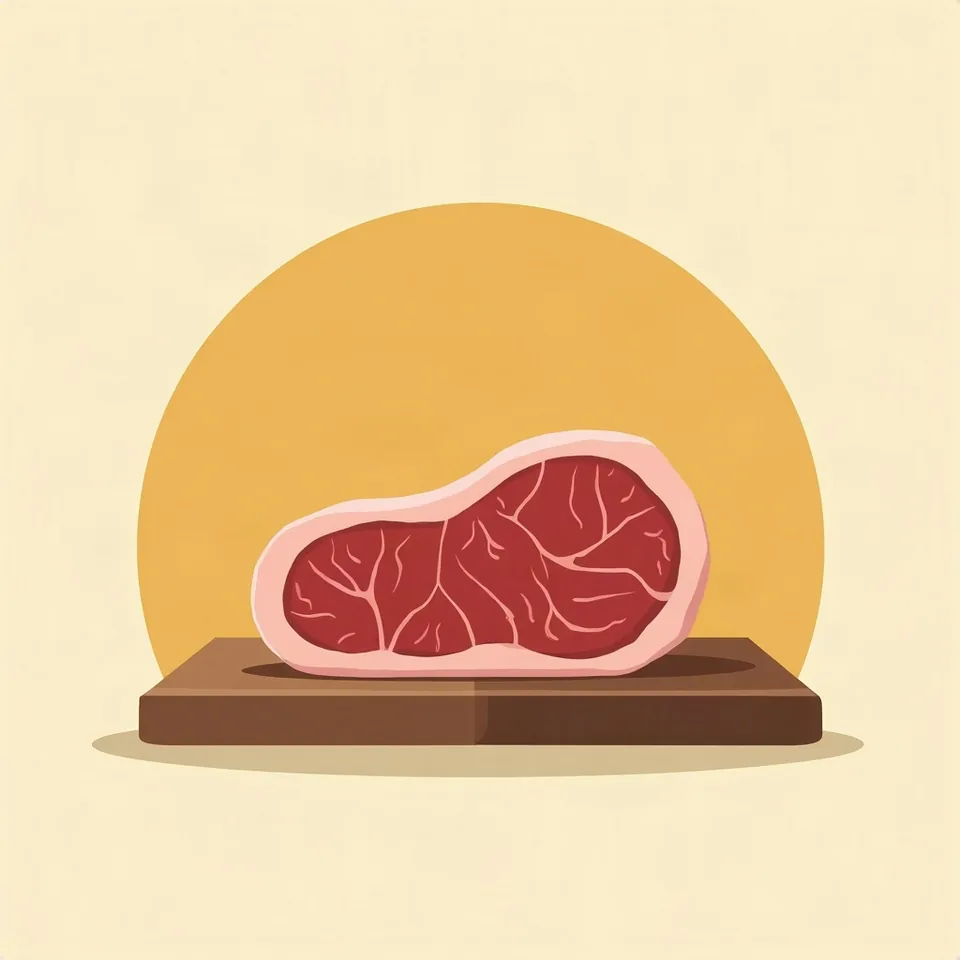
Can dogs eat beef?
Yes, cooked or stewed lean beef is an excellent source of protein for dogs and is one of the most common ingredients in both homemade and commercial dog food. Just avoid fatty cuts, seasoning, and the risks that come with raw meat.
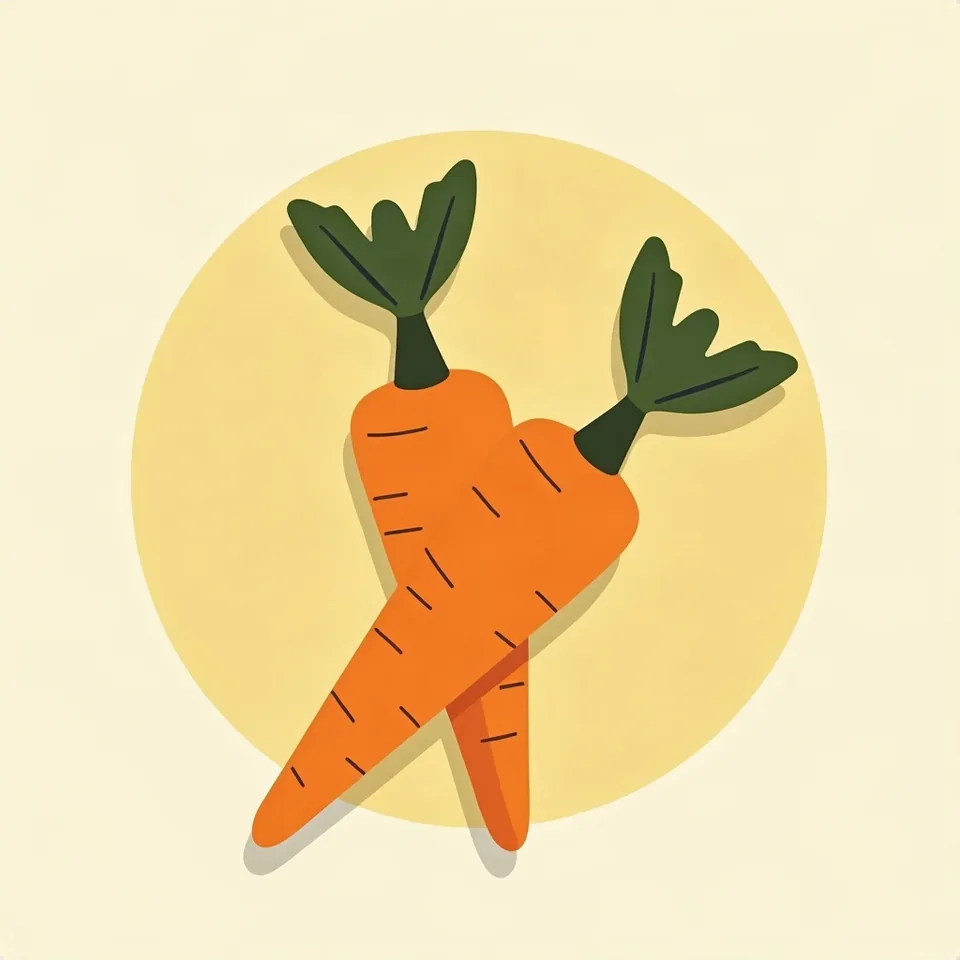
Can dogs eat carrots?
Yes, carrots are safe for dogs and rank among the best treats you can give them. They're low in calories, full of fiber and beta-carotene, and raw carrots even help clean teeth. Cut them to a size that suits your dog.

Can dogs eat eggs?
Yes, eggs are an excellent source of protein and biotin for dogs, ideally boiled or scrambled without salt or fat. Raw eggs aren't recommended because of the risk of salmonella and reduced biotin absorption.
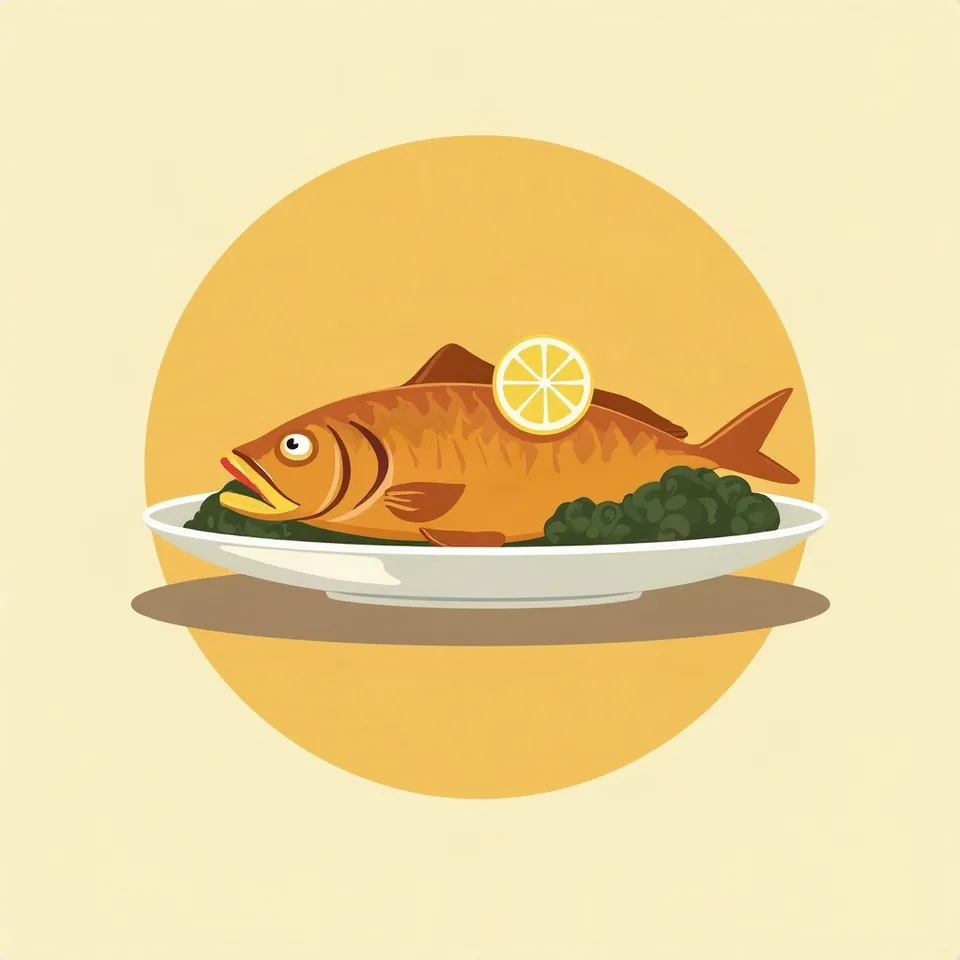
Can dogs eat fish?
Yes, well-cooked, boneless fish is a healthy source of protein and omega-3 fatty acids for dogs. Raw fish and fish bones are not recommended, though, because of the risk of parasites, thiamine deficiency, and injury to the digestive tract.
More from meat and fish
Can dogs eat cooked bones?
No, don't give dogs cooked bones of any kind, whether from chicken, turkey, pork or beef. Cooking makes bones brittle, so they easily splinter into sharp fragments that can injure the oesophagus, stomach or intestines and even cause a fatal blockage.
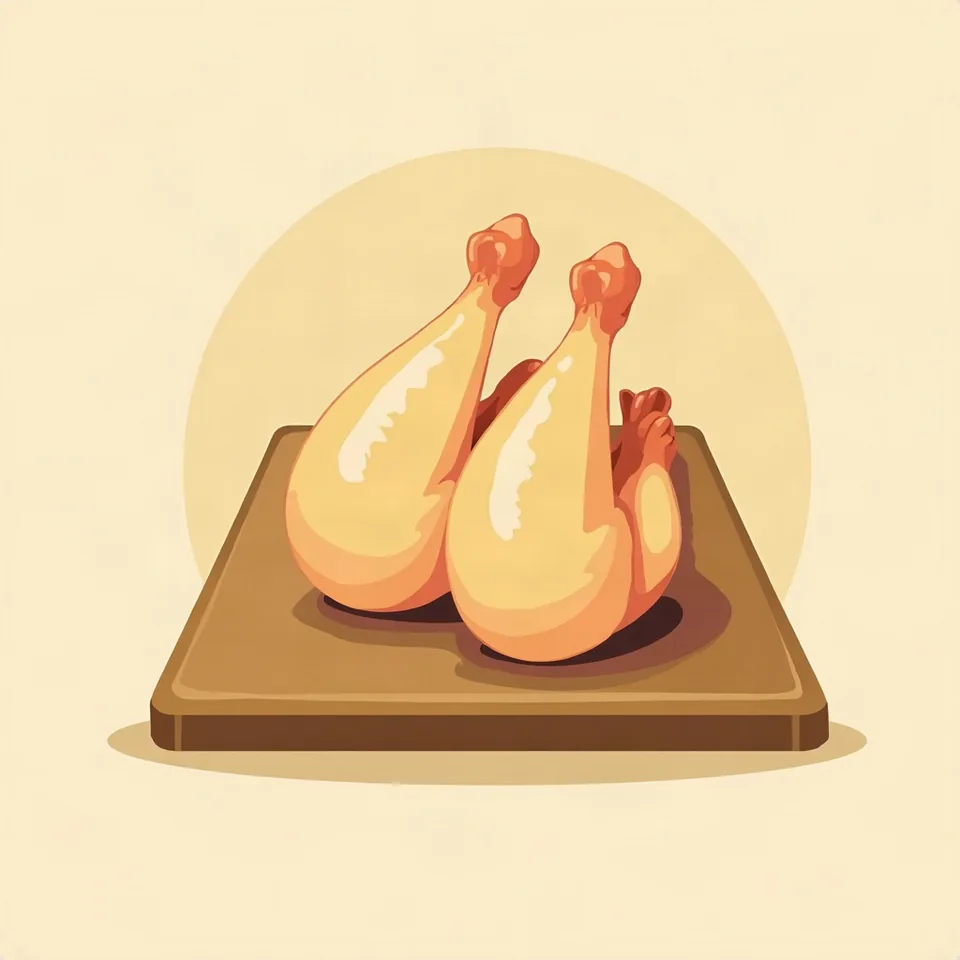
Can dogs eat chicken bones?
Yes, but only raw chicken bones of an appropriate size, never cooked. Cooked bones splinter into sharp shards that can pierce the throat or gut. Even raw bones carry a choking or injury risk, so always supervise your dog while feeding them.
Can dogs eat pork?
Yes, well-cooked lean pork without seasoning is safe for dogs, but raw or undercooked pork, especially from wild boar, must never be fed because of the risk of parasites and transmissible disease.
Sources
- AKC: Can Dogs Eat Chicken?
- Merck Veterinary Manual: Nutritional Requirements and Related Diseases of Small Animals
Last updated 2 September 2026.