Can dogs eat fish?
Short answer
Yes, well-cooked, boneless fish is a healthy source of protein and omega-3 fatty acids for dogs. Raw fish and fish bones are not recommended, though, because of the risk of parasites, thiamine deficiency, and injury to the digestive tract.
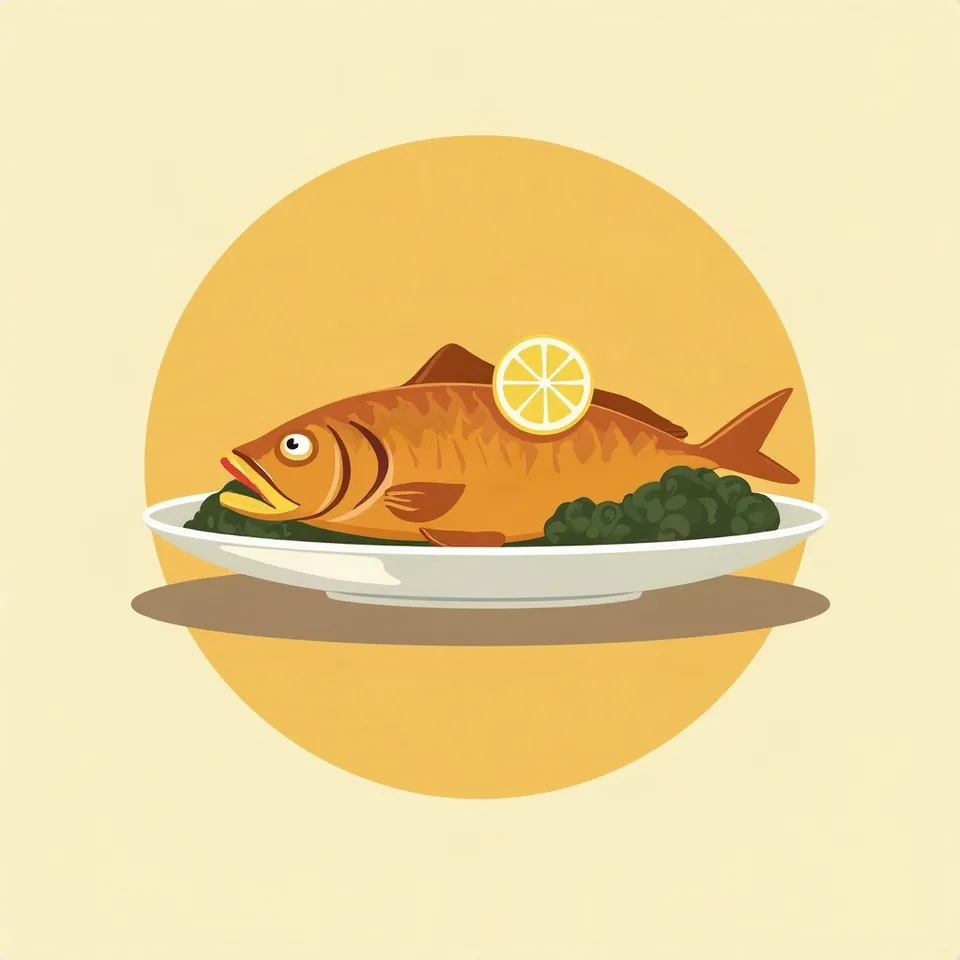
Fish is a great alternative protein for dogs, especially those with skin or joint issues. Here is how to choose the right fish, prepare it boneless, and why raw fish is not worth the risk.
Why it is fine
Fish provides high-quality protein and the omega-3 fatty acids EPA and DHA, which support healthy skin, coat, and joints. Many complete dog foods use fish as the main protein source, especially for dogs with sensitive skin or allergies to poultry or beef.
Fish should always be cooked. Raw fish can carry parasites, and some species (freshwater carp or herring, for example) contain the enzyme thiaminase, which breaks down vitamin B1 in a dog's body over time and can lead to a deficiency if raw fish is fed regularly.
Fish bones are thin, sharp, and easy to miss; they are a common cause of injuries to the mouth, esophagus, and intestines in dogs. Always debone the meat thoroughly before serving, ideally using a skinless, boneless fillet.
Processed fish products, smoked fish, fish sticks, canned fish in oil, or heavily salted products, are not suitable because of their high salt and fat content. Fresh or frozen fish, boiled, steamed, or baked without seasoning, is the safe option.
How to serve fish
- Boil, steam, or bake the fish without salt, oil, or seasoning.
- Remove all bones thoroughly before serving; ideally use a fillet.
- Peel off the skin or trim excess fat, especially with fattier species.
- Rotate between fish types (cod, hake, sea bass) and do not use them as the sole protein source without checking with your vet.
Rough portion
Small dogs: about 30 g (1 oz) of cooked fish. Medium dogs: 50-70 g (1.75-2.5 oz). Large dogs: about 100 g (3.5 oz). Suitable 1-2 times a week as a change from the usual protein source.
Risks
- Injury to the mouth, esophagus, or intestines from sharp fish bones.
- Thiamine (vitamin B1) deficiency from regularly feeding raw fish that contains thiaminase.
- Parasitic infection from raw fish.
- High salt and fat content in smoked, fried, or canned fish products.
Symptoms to watch for
- Pawing at the mouth, trouble swallowing (bones)
- Vomiting, diarrhea
- Loss of appetite, lethargy (long-term thiamine deficiency)
- Excess thirst after salty fish products
Your dog already ate fish. What now?
- If your dog ate fish with the bones in, watch for gagging, drooling, or refusing food, and see a vet if you suspect a bone is stuck.
- After raw fish, watch for digestive symptoms for 24-48 hours; an isolated small amount usually is not a problem, but feeding raw fish regularly is not recommended.
- If it was smoked or heavily salted fish, make sure your dog has plenty of fresh water and watch for signs of excess salt intake (vomiting, excessive thirst, lethargy).
Common questions about dogs and fish
Can dogs eat raw fish?
It is not recommended on a regular basis. Raw fish can carry parasites, and some species (carp, herring) contain an enzyme that breaks down vitamin B1 with prolonged feeding. An occasional small piece usually will not harm a healthy dog, but it is safer to always cook fish first.
What fish is best for dogs?
Lean white fish like cod or hake are good choices, and fattier, omega-3-rich fish such as salmon are fine in moderation, always well cooked and boneless. Large predatory fish like tuna are better avoided on a regular basis because of mercury content.
Can dogs eat fish bones?
No, fish bones are thin and sharp and can easily injure the mouth, esophagus, or intestines, sometimes requiring surgery to remove. Always debone fish thoroughly before serving, ideally using a skinless fillet, since even small bones can cause serious problems.
Is fish oil good for dogs?
Yes, quality fish oil is a rich source of omega-3 fatty acids and is often recommended as a supplement for coat, skin, and joint health. Dosing should match your dog's weight and follow label directions or your vet's guidance.
Can dogs eat fish sticks or fried fish?
It is not recommended. Breaded and fried fish products are high in fat and salt and often contain onion or garlic powder in the coating. Regular feeding raises the risk of pancreatitis and weight gain, so stick with fresh, simply prepared fish instead.
Other good treats

Can dogs eat eggs?
Yes, eggs are an excellent source of protein and biotin for dogs, ideally boiled or scrambled without salt or fat. Raw eggs aren't recommended because of the risk of salmonella and reduced biotin absorption.

Can dogs eat chicken?
Yes, cooked chicken with no skin, bones, or seasoning is one of the best and most digestible protein sources for dogs. Vets commonly recommend it as part of a bland diet for stomach upset too.
Can dogs eat salmon?
Yes, well-cooked, boneless salmon is a healthy source of omega-3 fatty acids for dogs, but raw or smoked salmon should never be fed because of the risk of a serious infection and its high salt content.

Can dogs eat tuna?
Yes, tuna packed in water can be an occasional treat for dogs in small amounts, but because of its mercury and salt content it shouldn't become a regular part of the diet.
More from meat and fish

Can dogs eat beef?
Yes, cooked or stewed lean beef is an excellent source of protein for dogs and is one of the most common ingredients in both homemade and commercial dog food. Just avoid fatty cuts, seasoning, and the risks that come with raw meat.

Can dogs eat cooked bones?
No, don't give dogs cooked bones of any kind, whether from chicken, turkey, pork or beef. Cooking makes bones brittle, so they easily splinter into sharp fragments that can injure the oesophagus, stomach or intestines and even cause a fatal blockage.

Can dogs eat chicken bones?
Yes, but only raw chicken bones of an appropriate size, never cooked. Cooked bones splinter into sharp shards that can pierce the throat or gut. Even raw bones carry a choking or injury risk, so always supervise your dog while feeding them.
Sources
- AKC: Can Dogs Eat Fish?
- WSAVA Global Nutrition Committee: Guidelines on selecting pet foods and treats
Last updated 2 September 2026.