Can dogs eat salmon?
Short answer
Yes, well-cooked, boneless salmon is a healthy source of omega-3 fatty acids for dogs, but raw or smoked salmon should never be fed because of the risk of a serious infection and its high salt content.
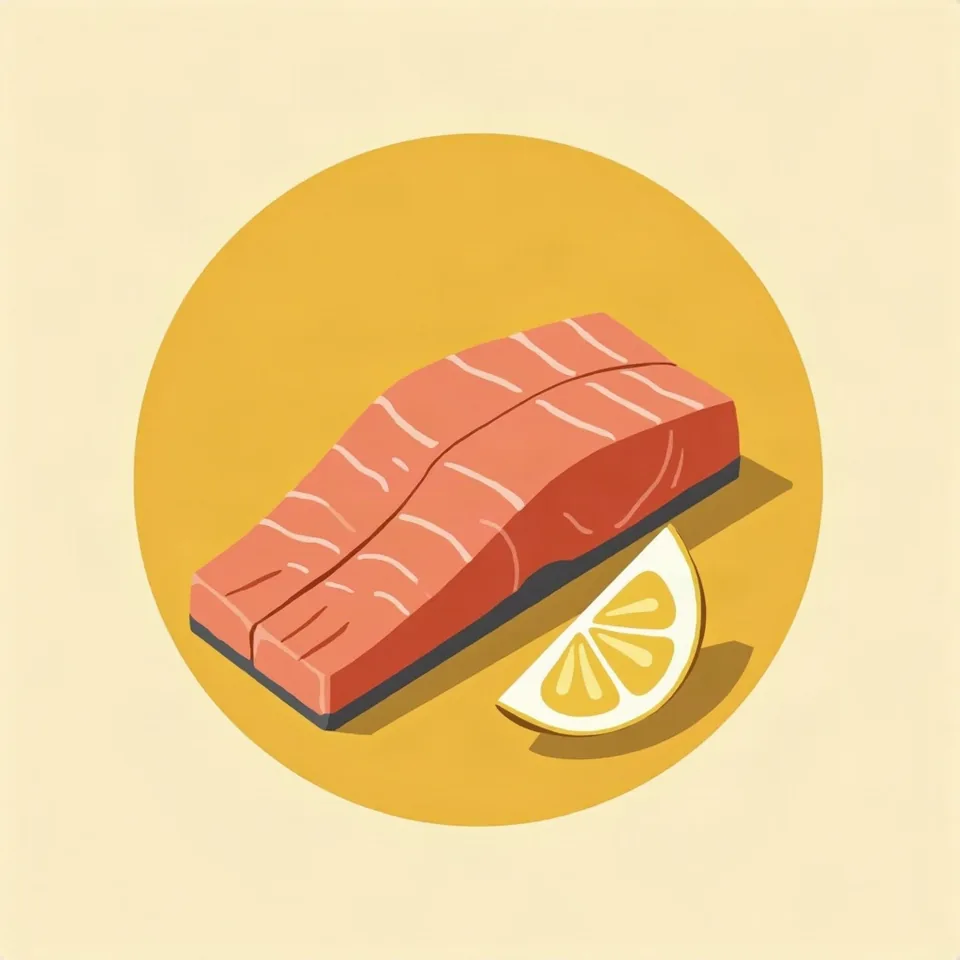
Salmon is one of the most nutritious fish you can offer your dog, as long as it's thoroughly cooked and free of bones. Here's why raw salmon is the exception to the 'fish is healthy' rule, and how to serve it safely.
Why only in moderation
Cooked or baked salmon is a rich source of the omega-3 fatty acids EPA and DHA, which support healthy skin, coat, and joints, and it's a popular ingredient in hypoallergenic and limited-ingredient diets. In reasonable amounts it's a genuinely beneficial part of the diet, not just a neutral treat.
Raw salmon is the one fish with a documented risk of what's known as salmon poisoning disease, an illness caused by a parasite-borne organism that has historically been mainly a concern with Pacific salmon in North America and can be fatal without treatment. Even outside that region, raw salmon carries the usual risks of raw fish: parasites, bacteria, and an enzyme called thiaminase that breaks down vitamin B1.
Salmon bones are thin and easy to miss, so the flesh needs to be carefully deboned before serving. The skin is high in fat, so either trim it off or serve only a small amount, especially for dogs prone to pancreatitis.
Smoked or salt-cured salmon (like lox) isn't suitable for dogs. It's high in salt and often cured with dill or onion. The safe option is always fresh or frozen salmon, cooked with nothing added.
How to serve salmon
- Always cook salmon thoroughly, boil, steam, or bake it. Never serve it raw or smoked.
- Remove all bones and any excess fat from the skin before serving.
- Skip the salt, dill, lemon, and any other seasoning.
- Let it cool and cut it into bite-sized pieces for your dog's size.
Rough portion
Small dog: about 20 to 30 g (roughly 1 oz) of cooked salmon. Medium dog: around 50 g (1.75 oz). Large dog: 80 to 100 g (about 3 to 3.5 oz). Suitable once or twice a week as a protein rotation or omega-3 source, not as an everyday food because of its higher fat content.
Risks
- Risk of a serious infection (salmon poisoning disease) from raw or undercooked salmon.
- Mouth or digestive tract injury from thin salmon bones.
- Pancreatitis from regularly feeding larger amounts of fatty skin.
- High salt content in smoked or cured salmon.
Symptoms to watch for
- Vomiting, fever, diarrhea (sometimes with blood) after raw salmon, which can appear even several days later
- Swollen lymph nodes, lethargy
- Gagging or trouble swallowing (bones)
- Excessive thirst after salty smoked salmon
Your dog already ate salmon. What now?
- If your dog ate raw salmon (leftover sushi, for example), watch them for several days for vomiting, fever, diarrhea, or lethargy, and see a vet right away if any appear.
- If it was a reasonable amount of cooked salmon, just watch for gagging or reluctance to eat in case a bone is involved.
- For smoked or salted salmon, make sure your dog has plenty of fresh water and watch for signs of excess salt intake.
Common questions about dogs and salmon
Can dogs eat raw salmon?
No. Raw salmon is the only fish with a documented risk of a serious, potentially fatal infection carried by parasites in the flesh, on top of the usual risks of raw fish like bacteria and parasites. Always serve salmon well cooked, with no exceptions.
Is salmon oil good for dogs?
Yes, quality salmon oil is a rich source of omega-3 fatty acids and is often recommended as a supplement for skin, coat, and joints. Dose it according to the label or your vet's advice, since it's a calorie-dense supplement rather than a free extra.
Can dogs eat smoked salmon?
It's not recommended. Smoked salmon is high in salt and often seasoned, which can cause digestive upset or excessive thirst. Fresh or frozen salmon cooked with nothing added is the safer choice for any dog.
How much salmon can a dog eat per week?
Roughly once or twice a week, in an amount matched to your dog's size, a small dog needs only a small serving, a large dog around 100 g (3.5 oz). Salmon is a fattier fish, so it shouldn't replace your dog's entire protein source.
Is farmed salmon worse for dogs than wild salmon?
For safety, what matters most is thorough cooking and no seasoning, not where the fish came from. Farmed salmon tends to be a bit fattier, which for dogs prone to pancreatitis means a smaller portion rather than a switch to leaner wild salmon.
Other good treats

Can dogs eat eggs?
Yes, eggs are an excellent source of protein and biotin for dogs, ideally boiled or scrambled without salt or fat. Raw eggs aren't recommended because of the risk of salmonella and reduced biotin absorption.
Can dogs eat fish?
Yes, well-cooked, boneless fish is a healthy source of protein and omega-3 fatty acids for dogs. Raw fish and fish bones are not recommended, though, because of the risk of parasites, thiamine deficiency, and injury to the digestive tract.

Can dogs eat chicken?
Yes, cooked chicken with no skin, bones, or seasoning is one of the best and most digestible protein sources for dogs. Vets commonly recommend it as part of a bland diet for stomach upset too.
Can dogs eat tuna?
Yes, tuna packed in water can be an occasional treat for dogs in small amounts, but because of its mercury and salt content it shouldn't become a regular part of the diet.
More from meat and fish
Can dogs eat beef?
Yes, cooked or stewed lean beef is an excellent source of protein for dogs and is one of the most common ingredients in both homemade and commercial dog food. Just avoid fatty cuts, seasoning, and the risks that come with raw meat.
Can dogs eat cooked bones?
No, don't give dogs cooked bones of any kind, whether from chicken, turkey, pork or beef. Cooking makes bones brittle, so they easily splinter into sharp fragments that can injure the oesophagus, stomach or intestines and even cause a fatal blockage.
Can dogs eat chicken bones?
Yes, but only raw chicken bones of an appropriate size, never cooked. Cooked bones splinter into sharp shards that can pierce the throat or gut. Even raw bones carry a choking or injury risk, so always supervise your dog while feeding them.
Sources
- Merck Veterinary Manual: Salmon Poisoning Disease
- AKC: Can Dogs Eat Salmon?
Last updated 2 September 2026.