Can dogs eat chicken bones?
Short answer
Yes, but only raw chicken bones of an appropriate size, never cooked. Cooked bones splinter into sharp shards that can pierce the throat or gut. Even raw bones carry a choking or injury risk, so always supervise your dog while feeding them.
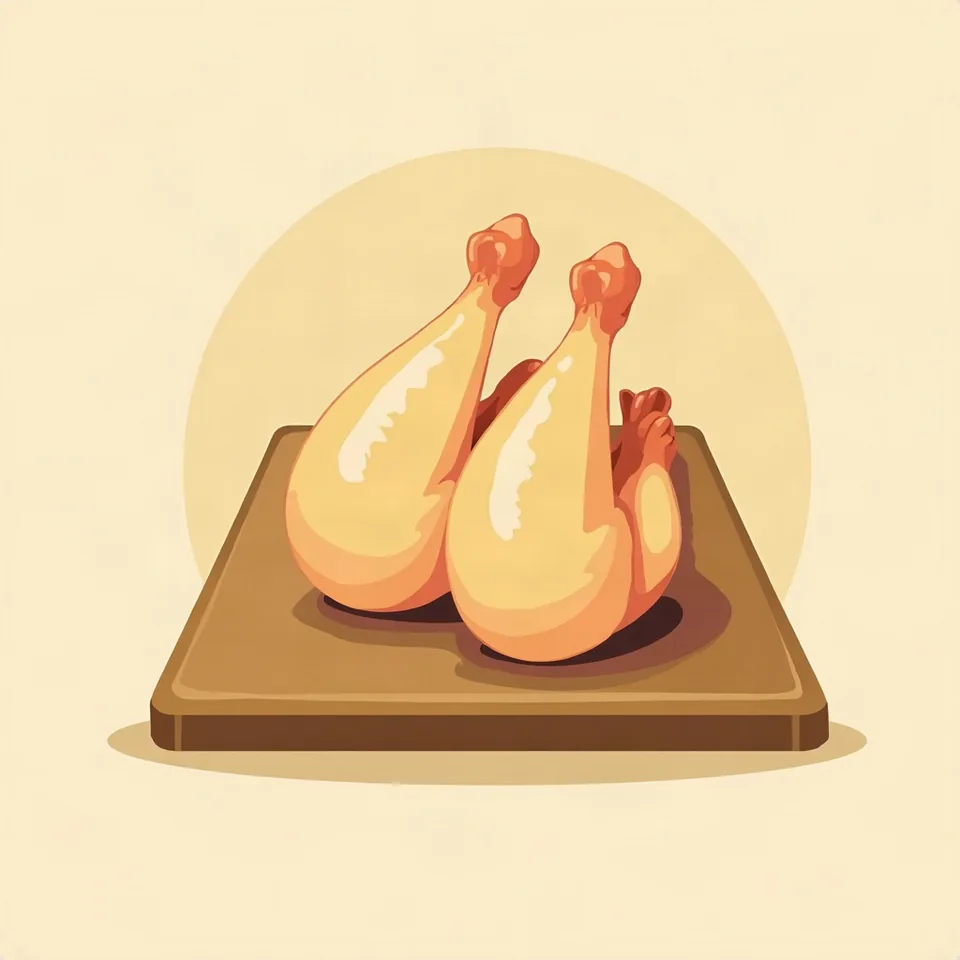
Chicken bones are a topic vets themselves disagree on. Raw bones are softer and more pliable than cooked ones, but they still aren't risk-free. Here's why cooked bones are always dangerous, when a raw bone is acceptable, and what to watch for.
Why only in moderation
Cooking changes a bone's structure. Boiling or roasting dries out its water and collagen, making it brittle, so it splinters into sharp fragments when chewed. Those fragments can injure the gums, throat, stomach, or intestines, and in the worst case, puncture them. That's why cooked bones, from roast chicken, stock, or the grill, should never be given to a dog, regardless of size.
Raw chicken bones are more pliable and tend to crush into smaller pieces rather than sharp splinters when chewed, which is why they're a regular part of the diet in the raw-feeding (BARF) community. They provide calcium and phosphorus, and gnawing on them mechanically helps scrape away tartar. That's the main reason many owners, and some vets, consider them acceptable.
Even a raw bone remains a risk, though. A dog that gulps its food without chewing can swallow a bone whole, and it can get stuck in the throat or cause an intestinal blockage. Small bones (wings, necks) can be swallowed whole by smaller or eager dogs, while larger breeds are more at risk of breaking a tooth on the harder sections.
Because of this, some veterinary authorities, including the US FDA and many veterinary clinics, recommend avoiding bones altogether, raw or cooked, since digestive tract injuries are a common reason for emergency vet visits. If you decide to give raw bones anyway, it's a deliberate risk that you need to minimize through bone size and supervision.
How to serve chicken bones
- Give only raw bones, never cooked, roasted, or smoked ones, since those splinter into sharp shards.
- Choose a bone larger than your dog's mouth so it can't be swallowed whole, typically raw chicken necks or wings for small dogs, a whole carcass for larger breeds.
- Always supervise feeding and take the bone away once it's been chewed down to a piece small enough to swallow whole.
- For dogs that gulp their food without chewing, or dogs recovering from a dental procedure, skip raw bones altogether.
Rough portion
A raw chicken bone as a dietary extra once or twice a week, ideally as part of a well-planned raw diet, not as a daily treat. It isn't a substitute for a balanced diet or a primary calcium source without checking with a nutritionist.
Risks
- Choking or a bone getting stuck in the throat, mainly with small bones swallowed whole.
- A broken tooth from chewing on harder sections of bone.
- Perforation or blockage of the digestive tract from sharp fragments (mainly a concern with cooked bones).
- Bacterial contamination, as with any raw meat (salmonella, campylobacter).
Symptoms to watch for
- Gagging, drooling, pawing at the mouth
- Trouble swallowing, refusing food
- Vomiting
- Blood in the stool or painful, strained defecation
- Lethargy, abdominal pain
Your dog already ate chicken bones. What now?
- If your dog swallowed a piece of cooked bone, don't induce vomiting; the sharp fragments could injure the throat again on the way back up. Call your vet immediately.
- Watch to make sure your dog is passing stool normally, not vomiting, and shows no signs of abdominal pain; symptoms of intestinal injury can take hours to days to appear.
- If you suspect a bone is stuck (gagging, refusing food, lethargy), seek emergency veterinary care right away; an X-ray or endoscopy may be needed.
- Treat a swallowed raw bone with the same caution; it can also cause a blockage, especially in small breeds.
Common questions about dogs and chicken bones
Can dogs eat raw chicken bones?
Yes, raw chicken bones are less risky than cooked ones because they're more pliable and less likely to splinter into sharp fragments. There's still a risk of choking or injury if swallowed whole, though, so they should be an appropriate size and always given under supervision.
Why are cooked bones dangerous for dogs?
Cooking removes a bone's moisture and pliability, making it brittle, so it splinters into sharp shards when chewed. These can injure the gums, throat, and intestines, even puncturing them. This applies to bones from roasted meat, stock, or the grill, regardless of the type of meat.
Which bones are safest for a dog?
The lowest-risk option is a larger raw meaty bone your dog can't swallow whole, for example a raw chicken or turkey neck for small dogs, or a bigger bone for large breeds. Small bones that can be swallowed whole, and any cooked bone, are never suitable.
What should I do if my dog swallowed a chicken bone?
Watch for gagging, refusing food, or painful or difficult bowel movements. For a cooked bone, or any sign of trouble, contact your vet immediately; don't induce vomiting at home because of the risk of injury from sharp fragments.
Other good treats
Can dogs eat beef?
Yes, cooked or stewed lean beef is an excellent source of protein for dogs and is one of the most common ingredients in both homemade and commercial dog food. Just avoid fatty cuts, seasoning, and the risks that come with raw meat.

Can dogs eat eggs?
Yes, eggs are an excellent source of protein and biotin for dogs, ideally boiled or scrambled without salt or fat. Raw eggs aren't recommended because of the risk of salmonella and reduced biotin absorption.
Can dogs eat chicken?
Yes, cooked chicken with no skin, bones, or seasoning is one of the best and most digestible protein sources for dogs. Vets commonly recommend it as part of a bland diet for stomach upset too.

Can dogs eat raw meat?
Yes, raw meat isn't toxic to dogs and forms the backbone of BARF diets, but it carries a real risk of bacterial contamination such as salmonella, listeria and E. coli, mainly to the people in the household. It calls for a trustworthy source and strict hygiene.
More from meat and fish
Can dogs eat cooked bones?
No, don't give dogs cooked bones of any kind, whether from chicken, turkey, pork or beef. Cooking makes bones brittle, so they easily splinter into sharp fragments that can injure the oesophagus, stomach or intestines and even cause a fatal blockage.
Can dogs eat fish?
Yes, well-cooked, boneless fish is a healthy source of protein and omega-3 fatty acids for dogs. Raw fish and fish bones are not recommended, though, because of the risk of parasites, thiamine deficiency, and injury to the digestive tract.
Can dogs eat pork?
Yes, well-cooked lean pork without seasoning is safe for dogs, but raw or undercooked pork, especially from wild boar, must never be fed because of the risk of parasites and transmissible disease.
Sources
- AKC: Can Dogs Eat Bones? Are Bones Safe For Dogs?
- Merck Veterinary Manual: Gastrointestinal Foreign Bodies in Small Animals
Last updated 2 September 2026.