Can dogs eat cooked bones?
Short answer
No, don't give dogs cooked bones of any kind, whether from chicken, turkey, pork or beef. Cooking makes bones brittle, so they easily splinter into sharp fragments that can injure the oesophagus, stomach or intestines and even cause a fatal blockage.
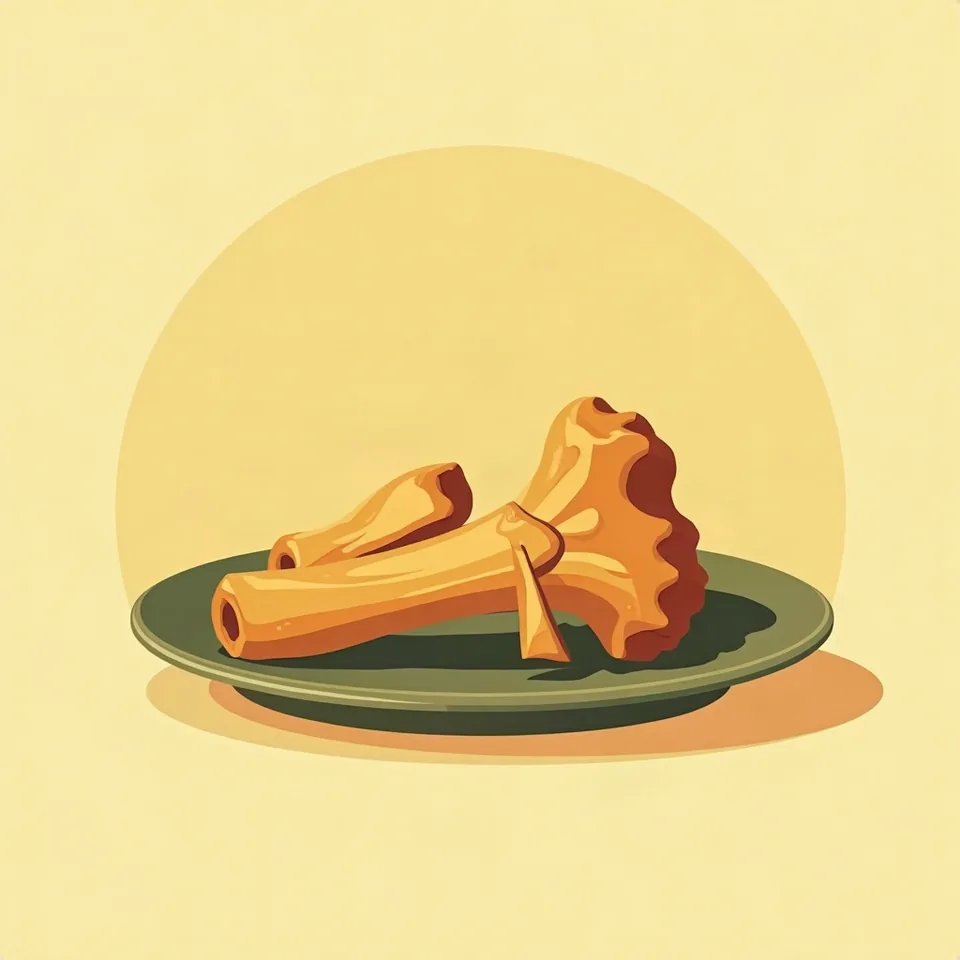
Cooked, roasted or grilled bones are one of the most underestimated dangers in a dog's kitchen. Unlike raw meaty bones, cooking makes them brittle and dangerous. Here's why, and what to do if your dog eats one.
Why not
A raw bone is pliable and tends to crush into smaller pieces when chewed, whereas boiling, roasting or grilling a bone drives out moisture and flexibility, leaving it brittle. When a dog chews a cooked bone, it tends to shatter into sharp, glass-like splinters that can easily injure the gums, tongue, oesophagus or stomach lining.
Sharp fragments can perforate the wall of the stomach or intestine, a life-threatening condition that needs emergency surgery. Even without perforation, fragments can lodge in the oesophagus or cause an intestinal blockage, which also often has to be treated surgically.
Smaller fragments and bone splinters can cause severe constipation: bone material binds with digested matter in the gut into a hard, cement-like mass that a dog can't pass on its own. This is a painful condition that requires veterinary treatment, sometimes under anaesthesia.
The risk applies to cooked bones from any type of meat, chicken, turkey, pork or beef, including bones from soup or the grill. Safe alternatives are raw meaty bones of an appropriate size given under supervision, which follow different rules of their own. The difference between raw and cooked bone is significant enough that it belongs in every new dog owner's basic safety briefing.
Rough portion
There is no safe amount. Cooked bones should never be given to dogs, in any quantity or size.
Risks
- Splintering into sharp fragments that can injure the oesophagus, stomach or intestines.
- Perforation of the digestive tract requiring emergency surgery.
- Intestinal blockage from lodged fragments or bone fragments compacting together.
- Severe constipation from accumulated bone fragments.
Symptoms to watch for
- Vomiting, sometimes with blood
- Abdominal pain, restlessness
- Straining or painful bowel movements, constipation
- Loss of appetite, lethargy
- Blood in the stool
- Trouble swallowing, drooling (if lodged in the oesophagus)
Your dog already ate cooked bones. What now?
- If your dog ate a cooked bone, don't try to make it vomit yourself; sharp fragments could injure the oesophagus a second time coming back up.
- Watch your dog for the next 2-3 days for signs such as vomiting, abdominal pain or trouble passing stool.
- Even without immediate symptoms, it's worth calling your vet, describing the size and type of bone, and discussing next steps, which may include an X-ray.
- At any sign of pain, repeated vomiting or blood in the stool, get to an emergency vet immediately.
Common questions about dogs and cooked bones
Why are cooked bones worse than raw ones?
Cooking dries a bone out and strips it of flexibility, so when a dog chews it, it shatters into sharp splinters instead of crushing into small, harmless pieces the way a raw bone does. Those sharp fragments are the main cause of digestive tract injuries and blockages.
Can I give my dog a bone from broth or soup?
No. Bones simmered in stock are just as brittle and risky as roasted or grilled ones, because long cooking strips away their flexibility the same way baking does. Always strain stock thoroughly before giving it to your dog, so no bone fragments or grit end up in the bowl.
Are chicken bones more dangerous than beef bones?
Chicken and turkey bones splinter especially easily and are smaller, so the risk of choking or oesophageal injury is high. Cooked beef or pork bones are harder but just as brittle, and can damage teeth or shatter into sharp pieces; none of them are safe.
My dog got hold of cooked chicken bones from the trash, what now?
Watch it closely for two to three days for vomiting, abdominal pain or trouble passing stool, and call your vet even without symptoms to describe how many bones and how large they were. For smaller dogs or a larger quantity of bone, a consultation is always worth it.
Safer alternatives
Can dogs eat beef?
Yes, cooked or stewed lean beef is an excellent source of protein for dogs and is one of the most common ingredients in both homemade and commercial dog food. Just avoid fatty cuts, seasoning, and the risks that come with raw meat.
Can dogs eat carrots?
Yes, carrots are safe for dogs and rank among the best treats you can give them. They're low in calories, full of fiber and beta-carotene, and raw carrots even help clean teeth. Cut them to a size that suits your dog.
Can dogs eat chicken?
Yes, cooked chicken with no skin, bones, or seasoning is one of the best and most digestible protein sources for dogs. Vets commonly recommend it as part of a bland diet for stomach upset too.
Can dogs eat chicken bones?
Yes, but only raw chicken bones of an appropriate size, never cooked. Cooked bones splinter into sharp shards that can pierce the throat or gut. Even raw bones carry a choking or injury risk, so always supervise your dog while feeding them.
More from meat and fish
Can dogs eat fish?
Yes, well-cooked, boneless fish is a healthy source of protein and omega-3 fatty acids for dogs. Raw fish and fish bones are not recommended, though, because of the risk of parasites, thiamine deficiency, and injury to the digestive tract.
Can dogs eat pork?
Yes, well-cooked lean pork without seasoning is safe for dogs, but raw or undercooked pork, especially from wild boar, must never be fed because of the risk of parasites and transmissible disease.

Can dogs eat raw meat?
Yes, raw meat isn't toxic to dogs and forms the backbone of BARF diets, but it carries a real risk of bacterial contamination such as salmonella, listeria and E. coli, mainly to the people in the household. It calls for a trustworthy source and strict hygiene.
Sources
- ASPCA: People Foods to Avoid Feeding Your Pets
- AKC: Are Cooked Bones Bad for Dogs?
Last updated 2 September 2026.