Can dogs eat pasta?
Short answer
Yes, plain cooked pasta without salt or sauce won't hurt a dog, but it's just a carbohydrate side dish with no special nutritional benefit. Watch out for sauces with onion, garlic, cream or cheese, which are usually riskier than the pasta itself.
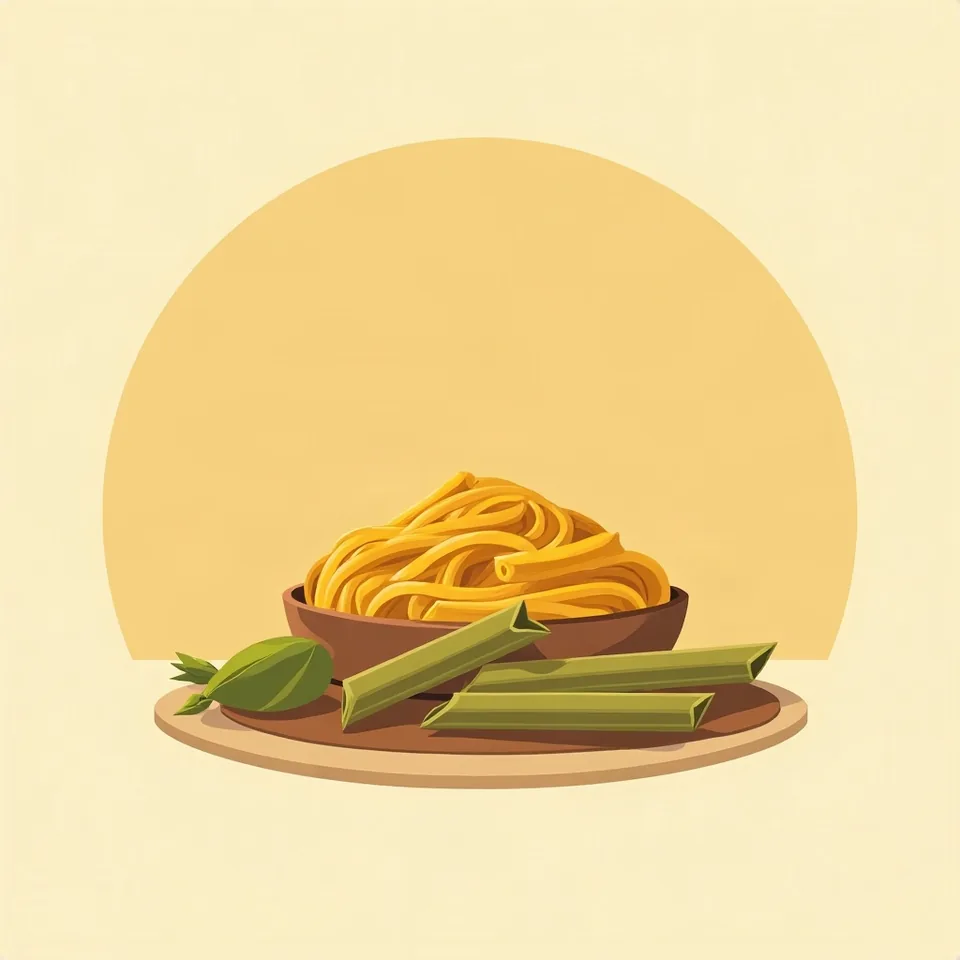
Plain cooked pasta without salt or seasoning isn't toxic to dogs, but it's essentially empty carbohydrate with no particular nutritional value. The real risk usually isn't the pasta itself but the sauces and toppings it's served with. Here's how much to offer and how to serve it safely.
Why only in moderation
Pasta made from wheat flour and water isn't toxic to dogs once it's cooked. It is, however, almost entirely fast-digesting carbohydrate with no meaningful protein, fat or vitamins, so it doesn't bring much to a dog's diet beyond extra calories. It shouldn't be treated as a real part of the daily menu, just an occasional side dish alongside a meat-based meal.
The real problems come with the sauces. Tomato sauce made with garlic and onion, cream and cheese sauces, or spaghetti with meatballs containing onion are among the most common reasons a plate of pasta makes a dog ill, and with onion and garlic it's genuine toxicity, not just an upset stomach.
Raw or undercooked pasta is hard and difficult to digest, and small dogs risk choking on it. Instant pasta pouches with a seasoning sachet tend to be heavily salted and often contain onion or garlic powder, so they're not suitable for dogs at all. Even ready-made sauces from a restaurant or the fridge can carry a hidden amount of salt, fat or onion that's hard to judge from the outside.
Wholewheat pasta has somewhat more fibre, which can cause gas or looser stools in dogs with sensitive digestion. In a healthy dog, an occasional small portion of plain cooked pasta is safe, but it shouldn't replace a balanced diet built around good quality food or a meat-based component.
How to serve pasta
- Cook it without salt, oil or seasoning, and let it cool to room temperature before serving.
- Offer it plain, or mixed with a small amount of cooked meat or vegetables, never with a ready-made sauce from the fridge or a restaurant.
- Skip instant pouches with a seasoning sachet, since these almost always contain onion, garlic or far too much salt.
- Introduce any new food in a small amount and check the stool the next day.
Rough portion
Small dog: a couple of spoonfuls of cooked pasta. Medium dog: a quarter to half a cup. Large dog: half a cup. Treat it as an occasional side dish, not a regular part of the diet.
Risks
- Extra calories and carbohydrate from frequent servings contribute to weight gain.
- Sauces containing onion, garlic, or a lot of fat and salt can be toxic or cause digestive upset.
- Raw pasta is hard, difficult to digest, and can cause choking in small breeds.
- Instant seasoning pouches carry excessive salt and often onion or garlic powder.
Symptoms to watch for
- Bloating and gas
- Loose stool or diarrhoea
- Vomiting after a fatty or heavily seasoned sauce
- Increased thirst from a high salt load
Your dog already ate pasta. What now?
- If your dog ate a reasonable portion of plain cooked pasta, there's no need to do anything.
- If it ate pasta with a sauce containing onion or garlic, watch it for several days. Signs of red blood cell damage can show up with a delay, so if you notice tiredness, pale gums or dark urine, see your vet.
- After a one-off binge on a rich, fatty sauce, watch for signs of pancreatitis, such as abdominal pain, repeated vomiting or a loss of appetite.
Common questions about dogs and pasta
Can dogs eat pasta with tomato sauce?
Only if the sauce is homemade, without onion, garlic, salt or sugar. Shop-bought and restaurant sauces almost always contain onion or garlic, which are toxic to dogs. It's safer to serve the pasta completely plain, or with a spoonful of plain stewed tomato.
Is wholewheat pasta healthier for dogs than white pasta?
It has a bit more fibre and nutrients, but the difference is small from the point of view of a dog's diet. In dogs with sensitive digestion, the extra fibre can actually trigger gas, so plain white pasta in a small amount is often the better-tolerated choice.
Can I give my dog leftover spaghetti from dinner?
Only if it didn't contain onion, garlic, a lot of salt, cheese or fatty meat. If you're not sure what's in the sauce, it's safer to skip the pasta and offer plain cooked rice or a piece of meat instead.
Can pasta help settle a dog's upset stomach?
Plain cooked white pasta without salt can work similarly to rice as an easily digestible source of energy, but rice is usually the better choice for this purpose. If diarrhoea lasts more than a day or gets worse, see your vet rather than relying on a bland diet alone.
Other good treats
Can dogs eat broccoli?
Yes, broccoli is safe for dogs in small amounts. It contains isothiocyanates, which in larger doses irritate the digestive tract and cause gas. Stick to small pieces, raw or cooked, with no seasoning.
Can dogs eat chicken?
Yes, cooked chicken with no skin, bones, or seasoning is one of the best and most digestible protein sources for dogs. Vets commonly recommend it as part of a bland diet for stomach upset too.
Can dogs eat pumpkin?
Yes, cooked or plain pumpkin flesh is very healthy for dogs, and vets often recommend it to help with digestive upset. Always choose plain pumpkin puree, never pie filling with added sugar and spices.
Can dogs eat rice?
Yes, cooked rice is safe for dogs and easy to digest. Vets commonly recommend it as part of a bland diet for digestive upset, usually paired with cooked chicken.
More from grains and bread
Can dogs eat bread?
Yes, a piece of plain baked bread won't hurt a dog, but it has no nutritional value for them and just adds empty calories. Raw, yeasted dough is dangerous, though, and should never end up within a dog's reach.
Can dogs eat bread rolls?
Yes, a small piece of a plain bread roll won't hurt a dog, but it's just empty carbs and salt. It's not something to feed regularly — a few crumbs for a small dog, a quarter roll for a large one, and only occasionally.
Can dogs eat oatmeal?
Yes, cooked oatmeal is safe for dogs and can be a healthy alternative to wheat-based grains, especially for dogs sensitive to gluten. Always serve it cooked and plain, with no flavoring, sugar, or raisins.
Sources
Last updated 2 September 2026.