Can dogs eat oatmeal?
Short answer
Yes, cooked oatmeal is safe for dogs and can be a healthy alternative to wheat-based grains, especially for dogs sensitive to gluten. Always serve it cooked and plain, with no flavoring, sugar, or raisins.
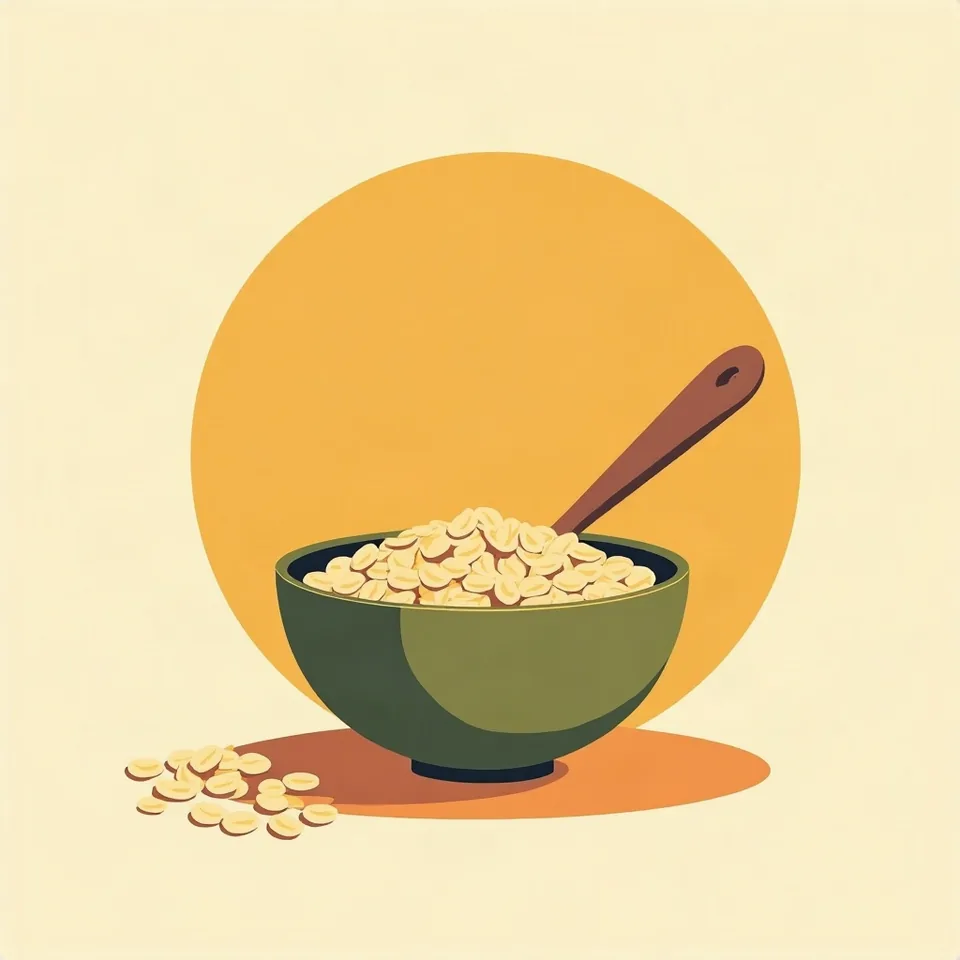
Oatmeal is an easily digestible, gluten-free source of fiber that works well even for dogs with sensitive digestion. Cooked and unflavored, it's a healthy addition to the diet and a good base for homemade treats. Here's how to prepare it and how much a dog can have.
Why it is fine
Oatmeal contains soluble fiber, particularly beta-glucan, which supports digestion and helps stabilize blood sugar levels. Unlike wheat, it contains no gluten, making it a suitable alternative for dogs sensitive to gluten or wheat protein.
Oats are a source of B vitamins, magnesium, and zinc. In small amounts they're suitable even for overweight or diabetic dogs, since they digest more slowly than the fast carbohydrates in white bread, though total calorie intake still needs to be weighed against the rest of the diet.
The risk isn't the oats themselves but what they're flavored with. Instant oatmeal with sugar, honey, cinnamon, or dried fruit, or varieties with raisins, aren't suitable for dogs. Only plain, unflavored oats with no added sweeteners or flavoring are safe.
A large amount of raw oats can swell in the stomach and cause discomfort, so it's best to briefly cook them in water, or soak them, before adding them to food. This matters especially for dogs who eat quickly and gulp their food, to prevent an uncomfortable feeling of fullness.
How to serve oatmeal
- Cook briefly in plain water with no salt, sugar, or flavoring, and let it cool.
- Mix 1 to 3 tablespoons of cooked oats into regular food a few times a week.
- Use as a base for homemade treats combined with banana or xylitol-free peanut butter.
- Skip instant flavored packets with sugar, honey, or dried fruit.
Rough portion
Small dog: 1 tablespoon of cooked oats. Medium dog: 2 tablespoons. Large dog: 2 to 3 tablespoons, mixed into food a few times a week.
Risks
- Flavored instant oatmeal contains sugar, honey, or dried fruit that aren't suitable.
- Too much, even of plain oats, adds calories and can lead to weight gain.
- A large amount of raw oats can swell in the stomach and cause an uncomfortable feeling of fullness.
- Dogs with a grain allergy (rare) may develop itching or digestive upset.
Symptoms to watch for
- Mild bloating with a larger amount
- Loose stool after an unusually large portion
- Itchy skin with a rare grain allergy
Your dog already ate oatmeal. What now?
- A reasonable amount of cooked, plain oats requires no action.
- If your dog eats a large amount of raw oats at once, make sure they have plenty of water and watch digestion, since oats can swell in the stomach.
Common questions about dogs and oatmeal
Can I give my dog oatmeal for breakfast?
Yes, as long as it's cooked in water with no sugar, honey, a large amount of milk, or flavoring. A small serving of plain oatmeal is a healthy addition, not a replacement for a complete diet, and works especially well for dogs who don't do well with wheat-based grains.
Is oatmeal good for dogs with a sensitive stomach?
Often yes, since oats contain no gluten and their soluble fiber is gentle on digestion. For dogs with a specific grain allergy, though, it's worth introducing gradually in small amounts and watching how their digestion responds.
Can I cook oats in milk?
A small amount of milk doesn't bother most dogs, but many adult dogs have reduced lactose tolerance. It's safer to cook oats in water and skip the milk entirely, or use just a token amount, or substitute a small amount of lactose-free dog milk replacer.
How much oatmeal a day is okay for a dog?
Roughly 1 to 3 tablespoons of cooked oats depending on size, given a few times a week as a food supplement. Oats shouldn't replace the main protein portion of the diet, but they're a good source of fiber and variety.
Other good treats

Can dogs eat apples?
Yes, dogs can eat apples. The flesh is safe, full of fiber and vitamin C, and even gives teeth a light mechanical clean. Always remove the core and seeds, though, and don't feed large pieces at once.

Can dogs eat bananas?
Yes, dogs can eat banana, but only as an occasional treat. It's safe and dogs tend to love it, but it's high in sugar. A small dog only needs 2 to 3 slices, a large dog about half a banana.

Can dogs eat peanut butter?
Yes, peanut butter without xylitol, added sugar, or salt is a popular, safe treat for dogs in small amounts. Always check the label carefully, since some “light” or high-protein versions contain xylitol, which is deadly to dogs.
Can dogs eat rice?
Yes, cooked rice is safe for dogs and easy to digest. Vets commonly recommend it as part of a bland diet for digestive upset, usually paired with cooked chicken.
More from grains and bread

Can dogs eat bread?
Yes, a piece of plain baked bread won't hurt a dog, but it has no nutritional value for them and just adds empty calories. Raw, yeasted dough is dangerous, though, and should never end up within a dog's reach.

Can dogs eat bread rolls?
Yes, a small piece of a plain bread roll won't hurt a dog, but it's just empty carbs and salt. It's not something to feed regularly — a few crumbs for a small dog, a quarter roll for a large one, and only occasionally.
Can dogs eat pasta?
Yes, plain cooked pasta without salt or sauce won't hurt a dog, but it's just a carbohydrate side dish with no special nutritional benefit. Watch out for sauces with onion, garlic, cream or cheese, which are usually riskier than the pasta itself.
Sources
Last updated 2 September 2026.