Can dogs eat rice?
Short answer
Yes, cooked rice is safe for dogs and easy to digest. Vets commonly recommend it as part of a bland diet for digestive upset, usually paired with cooked chicken.
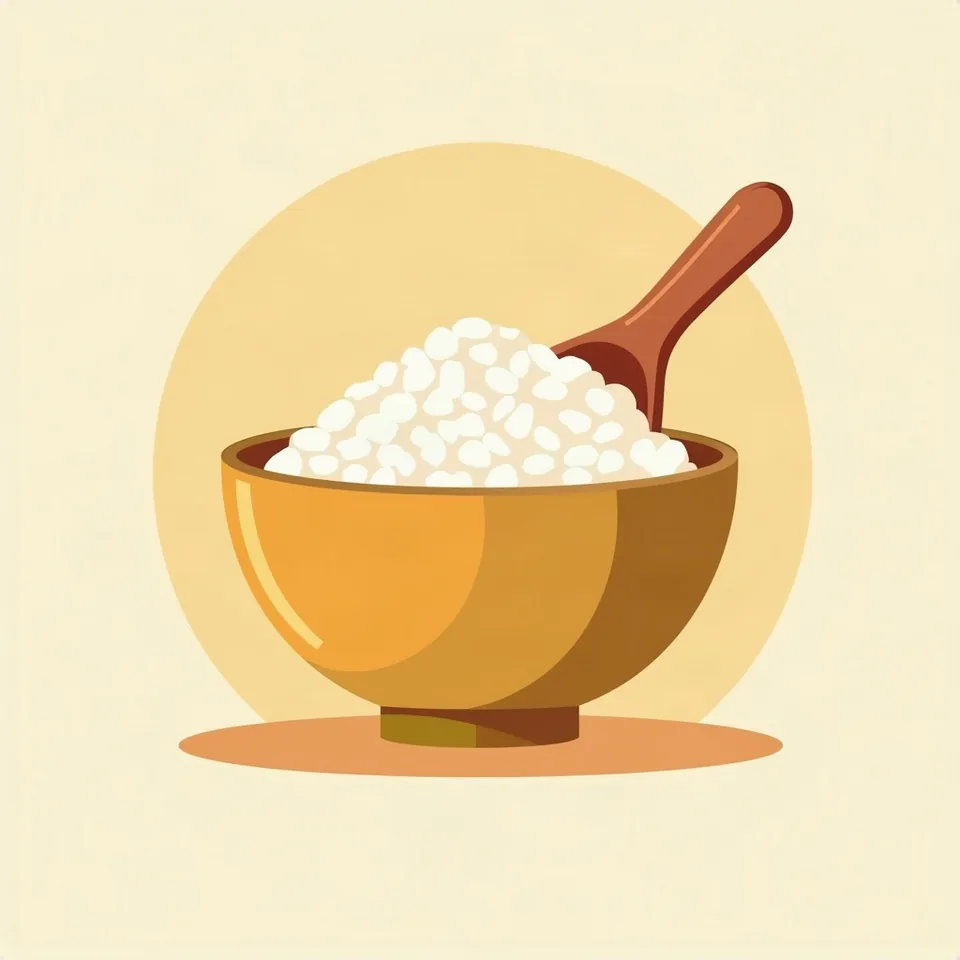
Cooked rice is one of the safest side dishes for dogs and a classic part of the bland diet for diarrhea or vomiting. It is not a complete food on its own, but as a supplement to a regular diet or a short-term bland meal, it works reliably. Here is how to choose the right rice and how much to feed.
Why it is fine
Cooked white rice is gentle on the stomach, low in fiber, and easy to digest, which makes it a standard part of the so-called bland diet vets recommend for diarrhea, vomiting, or recovery from digestive upset, usually alongside cooked, lean chicken.
Brown rice contains more fiber, minerals, and B vitamins, but it is harder to digest and suits healthy dogs with normal digestion better than dogs with acute digestive issues. Introduce brown rice gradually and watch how your dog responds.
Rice is not a complete protein source and should not make up the bulk of a dog's diet long-term. It is a supplement to quality food or a meat-based diet, not a replacement for balanced nutrition. Feeding a dog mostly rice for a long period without enough protein can lead to nutritional deficiencies.
Never serve rice raw; it is hard, difficult to digest, and can irritate the digestive tract. Always cook it in water without salt, fat, or seasoning until the grains are fully soft, and let it cool to room temperature before serving to avoid burning your dog's mouth.
How to serve rice
- Cook in plain water without salt, oil, onion, or bouillon, and let it cool to room temperature.
- For digestive upset, serve roughly two parts rice to one part cooked, skinless chicken with no seasoning.
- For healthy dogs, mix a spoonful or two into their regular food as a change of pace or quick energy source.
- Choose white rice for sensitive stomachs, brown rice for healthy dogs with normal stool.
Rough portion
Small dogs: 1-2 tablespoons per meal. Medium dogs: a quarter to half a cup. Large dogs: half to a full cup. Use it as a supplement to the diet, not the main protein source.
Risks
- Too much leads to excess carbohydrates and weight gain.
- Feeding rice alone long-term, without a protein source, causes nutritional deficiencies.
- Raw or undercooked rice is hard and poorly digested, and can irritate the stomach.
- Brown rice's higher fiber content can cause looser stool in sensitive dogs.
Symptoms to watch for
- Looser stool after a larger amount of brown rice
- Bloating after an oversized portion
- Weight gain with long-term overuse
Your dog already ate rice. What now?
- A small to moderate amount of cooked rice needs no action; it is a standard, safe food.
- If your dog ate a larger amount of raw rice, watch that they are passing stool normally and are not in pain, and contact your vet if you are concerned.
Common questions about dogs and rice
How much rice can a dog eat in a day?
It depends on your dog's size and the rest of their diet, roughly a couple of tablespoons for a small dog up to half a cup for a large one, served alongside their regular food or meat. Rice should not make up more than a small portion of total daily intake.
Why do vets recommend rice with chicken for diarrhea?
The combination of cooked white rice and lean, skinless chicken is gentle on the stomach, easy to digest, and provides energy and protein while the digestive tract needs a break. Once symptoms clear, dogs are gradually transitioned back to their regular food.
Is white or brown rice better for a dog?
White rice is gentler and better suited to digestive upset, while brown rice has more fiber and nutrients and suits healthy dogs with normal digestion. Dogs prone to loose stool are safer sticking with white rice.
Can dogs eat rice noodles or rice cakes?
Plain rice noodles cooked without seasoning are fine in small amounts, similar to regular rice. Sweetened or flavored rice cakes are not recommended because of added sugar or salt, and the same goes for instant noodles with a seasoning packet, which tends to be loaded with sodium.
Other good treats
Can dogs eat carrots?
Yes, carrots are safe for dogs and rank among the best treats you can give them. They're low in calories, full of fiber and beta-carotene, and raw carrots even help clean teeth. Cut them to a size that suits your dog.

Can dogs eat chicken?
Yes, cooked chicken with no skin, bones, or seasoning is one of the best and most digestible protein sources for dogs. Vets commonly recommend it as part of a bland diet for stomach upset too.
Can dogs eat oatmeal?
Yes, cooked oatmeal is safe for dogs and can be a healthy alternative to wheat-based grains, especially for dogs sensitive to gluten. Always serve it cooked and plain, with no flavoring, sugar, or raisins.
Can dogs eat pumpkin?
Yes, cooked or plain pumpkin flesh is very healthy for dogs, and vets often recommend it to help with digestive upset. Always choose plain pumpkin puree, never pie filling with added sugar and spices.
More from grains and bread
Can dogs eat bread?
Yes, a piece of plain baked bread won't hurt a dog, but it has no nutritional value for them and just adds empty calories. Raw, yeasted dough is dangerous, though, and should never end up within a dog's reach.

Can dogs eat bread rolls?
Yes, a small piece of a plain bread roll won't hurt a dog, but it's just empty carbs and salt. It's not something to feed regularly — a few crumbs for a small dog, a quarter roll for a large one, and only occasionally.
Can dogs eat pasta?
Yes, plain cooked pasta without salt or sauce won't hurt a dog, but it's just a carbohydrate side dish with no special nutritional benefit. Watch out for sauces with onion, garlic, cream or cheese, which are usually riskier than the pasta itself.
Sources
- AKC: Can Dogs Eat Rice?
- WSAVA Global Nutrition Committee: Guidelines on selecting pet foods and treats
Last updated 2 September 2026.