Can dogs eat bread?
Short answer
Yes, a piece of plain baked bread won't hurt a dog, but it has no nutritional value for them and just adds empty calories. Raw, yeasted dough is dangerous, though, and should never end up within a dog's reach.
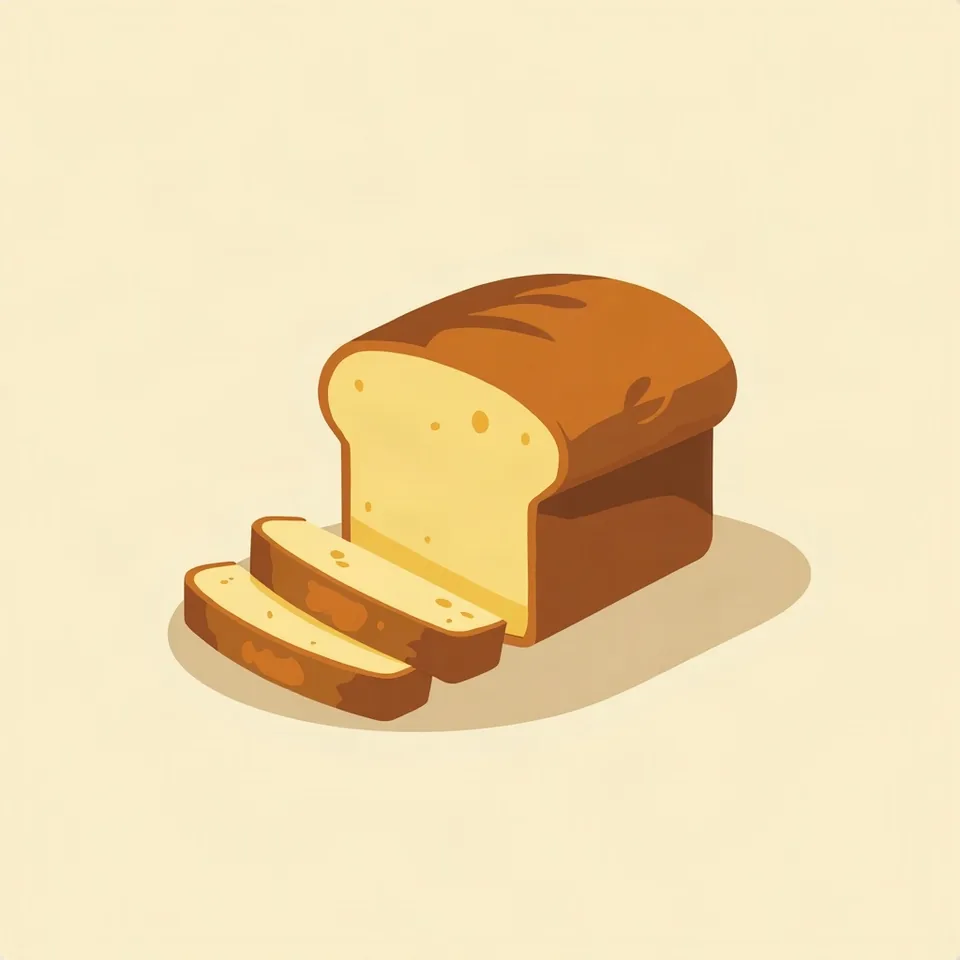
Baked bread with no toppings isn't toxic to dogs, but it's just a source of empty calories with no real benefit. The real danger is raw, yeasted dough, which keeps rising in the stomach and produces alcohol. Here's how much bread is still fine, and when it's better to skip it entirely.
Why only in moderation
Bread baked from flour, water, yeast, and salt isn't poisonous to dogs. The problem is that it's almost pure carbohydrate with barely any protein, fiber, or vitamins. For a dog, whose metabolism is built around meat and fat, that makes it calorie padding that easily leads to weight gain with regular feeding.
Raw, yeasted dough is genuinely dangerous. In the warm, moist environment of the stomach, the dough keeps rising, expanding, and can cause a painfully distended stomach or even life-threatening bloat (GDV), which is especially common in large breeds. The yeast also produces ethanol as it ferments, so alcohol poisoning is a risk too.
Add-ins and toppings are another concern. Bread containing raisins, onion, garlic, or macadamia nuts is dangerous regardless of the bread itself being fine. Watch out too for light or diet bread sweetened with xylitol, which is showing up more and more often even in ordinary grocery stores.
As a regular part of the diet, bread also crowds out better, more nutritious food. It's not recommended at all for dogs with obesity, diabetes, or sensitive digestion, and for healthy dogs it should stay an occasional treat. If you want to reward your dog with baked goods regularly, reach for a dog biscuit with more protein and fewer carbs instead.
How to serve bread
- Only offer plain baked bread with no flavored crust, butter, jam, or garlic spread.
- Always check the ingredients: no raisins, onion, garlic, or sweeteners like xylitol.
- Offer small pieces as an occasional treat, never as a meal replacement.
- Keep raw, rising dough well out of reach, ideally in a closed oven or cupboard.
Rough portion
Small dog: a couple of small pieces, occasionally. Medium dog: no more than 1 slice. Large dog: 1 to 2 slices. No more than a few times a week, and never as a meal replacement.
Risks
- Weight gain with regular feeding, because of the high carbohydrate content and low nutritional value.
- Raw, yeasted dough can cause dangerous stomach bloat and alcohol poisoning from the fermentation process.
- Add-ins like raisins, onion, garlic, or xylitol sweeteners in diet bread are toxic.
- Frequent bread feeding can trigger diarrhea or bloating in sensitive dogs.
Symptoms to watch for
- A bloated, hard belly (after raw dough)
- Unproductive retching without vomiting
- Loss of coordination, stumbling (alcohol)
- Vomiting or diarrhea
- Lethargy, low body temperature
Your dog already ate bread. What now?
- If your dog ate a piece of plain baked bread with no toppings, just watching digestion is usually enough.
- If your dog eats raw, rising dough, it's an emergency. Call your vet right away even before symptoms appear.
- Don't try to induce vomiting at home without your vet's guidance; with risen dough, it can make things worse.
- Watch your dog's belly size and behavior above all; bloating and restlessness are warning signs that call for immediate action.
Common questions about dogs and bread
Can dogs eat bread with butter?
A small amount without butter won't hurt them, but butter adds unnecessary fat and calories, which can trigger diarrhea in sensitive dogs or contribute to pancreatitis. It's better to serve bread completely plain, with no toppings at all.
What should I do if my dog eats raw dough?
It's an emergency. The dough keeps rising in the stomach, expands, and produces alcohol, which can cause both stomach bloat and ethanol poisoning. Call your vet or an emergency vet right away, even if your dog seems fine at first; symptoms can show up later.
Can dogs eat rolls or buns?
Yes, to the same extent as ordinary bread; they're a similar product with minimal nutritional value. Avoid versions with a heavy poppy seed topping, flavored sesame, or salty pretzel sticks with a high salt content.
Is whole wheat bread better for dogs than white?
It has somewhat more fiber and nutrients, but from a dog's perspective the difference is negligible. In dogs with sensitive digestion, the higher fiber content can actually cause more gas. The amount matters more than the type of bread.
Other good treats
Can dogs eat apples?
Yes, dogs can eat apples. The flesh is safe, full of fiber and vitamin C, and even gives teeth a light mechanical clean. Always remove the core and seeds, though, and don't feed large pieces at once.
Can dogs eat carrots?
Yes, carrots are safe for dogs and rank among the best treats you can give them. They're low in calories, full of fiber and beta-carotene, and raw carrots even help clean teeth. Cut them to a size that suits your dog.
Can dogs eat chicken?
Yes, cooked chicken with no skin, bones, or seasoning is one of the best and most digestible protein sources for dogs. Vets commonly recommend it as part of a bland diet for stomach upset too.
Can dogs eat rice?
Yes, cooked rice is safe for dogs and easy to digest. Vets commonly recommend it as part of a bland diet for digestive upset, usually paired with cooked chicken.
More from grains and bread
Can dogs eat bread rolls?
Yes, a small piece of a plain bread roll won't hurt a dog, but it's just empty carbs and salt. It's not something to feed regularly — a few crumbs for a small dog, a quarter roll for a large one, and only occasionally.
Can dogs eat oatmeal?
Yes, cooked oatmeal is safe for dogs and can be a healthy alternative to wheat-based grains, especially for dogs sensitive to gluten. Always serve it cooked and plain, with no flavoring, sugar, or raisins.
Can dogs eat pasta?
Yes, plain cooked pasta without salt or sauce won't hurt a dog, but it's just a carbohydrate side dish with no special nutritional benefit. Watch out for sauces with onion, garlic, cream or cheese, which are usually riskier than the pasta itself.
Sources
Last updated 2 September 2026.