Can dogs eat bread rolls?
Short answer
Yes, a small piece of a plain bread roll won't hurt a dog, but it's just empty carbs and salt. It's not something to feed regularly — a few crumbs for a small dog, a quarter roll for a large one, and only occasionally.
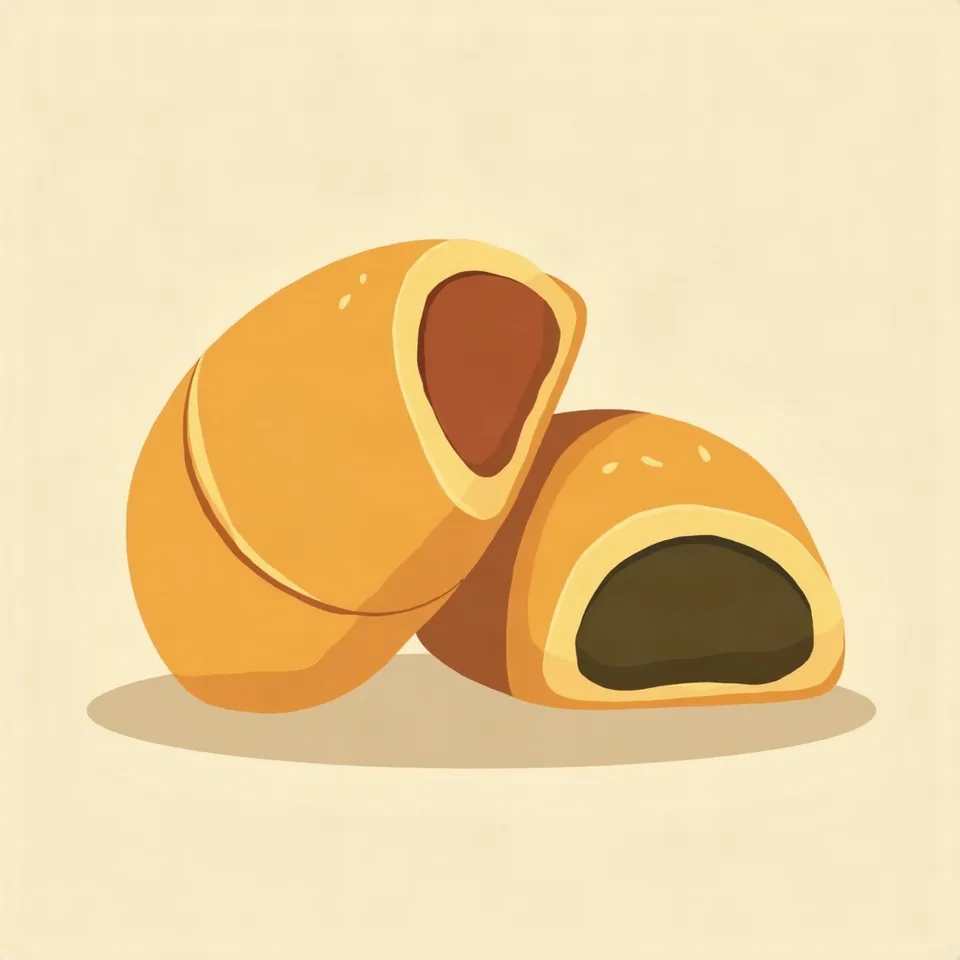
Bread rolls aren't toxic to dogs, but they offer nothing nutritionally — mostly white flour, salt, and sometimes sugar or fat. Here's when a bite is fine, when it can be a problem, and how to offer it if you do.
Why only in moderation
A bread roll is made from white wheat flour, water, yeast, salt, and usually some fat or sugar. It has no real nutritional value for a dog — it's essentially fast carbs with no fiber, vitamins, or protein that a dog actually needs.
The bigger issue isn't the flour itself but the salt content. Store-bought and bakery rolls tend to be saltier than what a dog should eat in a day, and with regular feeding that salt adds up, straining the kidneys and heart.
Bread rolls have a high glycemic index, so blood sugar spikes fast after eating one. For dogs that are overweight, diabetic, or prone to pancreatitis, that's a problem, since it contributes to weight gain and puts extra strain on the pancreas.
Sometimes toppings or mix-ins make things worse — poppy seeds, a heavy dusting of sesame seeds, or even dried onion flakes on top. Skip any roll with those, even though plain bread in small amounts is harmless.
How to serve bread rolls
- Only offer plain, fresh bread with no butter, jam, or salty toppings.
- A dry, slightly stale piece works best — similar to a biscuit, and it'll keep a dog occupied for a bit.
- Never give bread with onion or garlic toppings, or bread soaked in milk or coffee.
- Keep it an occasional thing, not part of the regular daily diet.
Rough portion
Small dogs (under 22 lb): a few crumbs or a thumb-sized piece (about 5-7 g / 0.2 oz); medium dogs: a quarter roll (about 15-20 g / 0.5-0.7 oz); large dogs (over 55 lb): half a roll (about 30-40 g / 1-1.4 oz), and only as an occasional treat, not a regular part of meals.
Risks
- High salt content from regular feeding puts strain on the kidneys and heart.
- Fast carbs contribute to weight gain and can worsen blood sugar control in diabetic dogs.
- Risk of pancreatitis from rolls with butter, lard, or salty toppings.
- Rolls with onion toppings or a heavy amount of poppy seeds can cause problems from those added ingredients.
- Feeding bread often instead of quality dog food leads to a diet low in protein and nutrients.
Symptoms to watch for
- Increased thirst after salty bread
- Bloating and gas
- Weight gain with frequent feeding
- Loose stool after a larger amount
Your dog already ate bread rolls. What now?
- If a dog eats one plain bread roll with no toppings, nothing usually needs to be done — just skip other treats that day.
- If the roll had onion topping or a large amount of poppy seeds, watch the dog and contact a vet if you see vomiting, lethargy, or abdominal pain.
- Make sure the dog has plenty of fresh water available, especially after salty bread.
Common questions about dogs and bread rolls
Can a puppy eat a bread roll?
A small piece of plain, dry bread won't hurt a puppy, but it adds no nutritional value and just works as a treat. Puppy kibble or treats made for growing bones and muscles are a better choice. Salt and fast carbs are an unnecessary burden on a puppy's sensitive digestion.
Is it better to give a dog a bread roll or regular sliced bread?
Nutritionally they're similar — both are mainly carbs and salt. Bread rolls tend to be a bit richer since fat is often added to the dough, while sliced bread can sometimes have more salt. Neither one should be a regular part of a dog's diet.
Can a dog eat a stale, hard bread roll?
Yes, dry and stale bread is actually better for a dog than fresh, since it forces more chewing and lowers the risk of gulping down a big piece too fast. It just needs to be free of mold — moldy bread contains mycotoxins that are toxic to dogs.
Why can't dogs have bread rolls with poppy seeds or onion flakes?
Onion flakes contain compounds that damage a dog's red blood cells and can lead to anemia. A large amount of poppy seeds can cause digestive upset in sensitive dogs. The safer choice is always a plain roll with no toppings at all.
Other good treats
Can dogs eat bread?
Yes, a piece of plain baked bread won't hurt a dog, but it has no nutritional value for them and just adds empty calories. Raw, yeasted dough is dangerous, though, and should never end up within a dog's reach.
Can dogs eat cookies?
No, regular cookies are not recommended for dogs. They are loaded with sugar and fat with no nutritional value, and many also contain chocolate, raisins, or the sweetener xylitol, all of which are toxic to dogs.
Can dogs eat oatmeal?
Yes, cooked oatmeal is safe for dogs and can be a healthy alternative to wheat-based grains, especially for dogs sensitive to gluten. Always serve it cooked and plain, with no flavoring, sugar, or raisins.
Can dogs eat sponge biscuits?
Yes, a piece of a plain sponge biscuit with no coating won't hurt a dog as a rare exception, it's essentially just egg, flour, and sugar. They shouldn't be a regular treat though, and chocolate-coated or diet versions should be avoided.
More from grains and bread
Can dogs eat pasta?
Yes, plain cooked pasta without salt or sauce won't hurt a dog, but it's just a carbohydrate side dish with no special nutritional benefit. Watch out for sauces with onion, garlic, cream or cheese, which are usually riskier than the pasta itself.
Can dogs eat popcorn?
Yes, a few pieces of plain popcorn without salt or butter are usually fine for dogs. Unpopped kernels are a choking hazard, though, and salty, buttery popcorn from the cinema or a microwave bag should be avoided entirely.
Can dogs eat rice?
Yes, cooked rice is safe for dogs and easy to digest. Vets commonly recommend it as part of a bland diet for digestive upset, usually paired with cooked chicken.
Sources
Last updated 10 September 2026.