Can dogs eat popcorn?
Short answer
Yes, a few pieces of plain popcorn without salt or butter are usually fine for dogs. Unpopped kernels are a choking hazard, though, and salty, buttery popcorn from the cinema or a microwave bag should be avoided entirely.
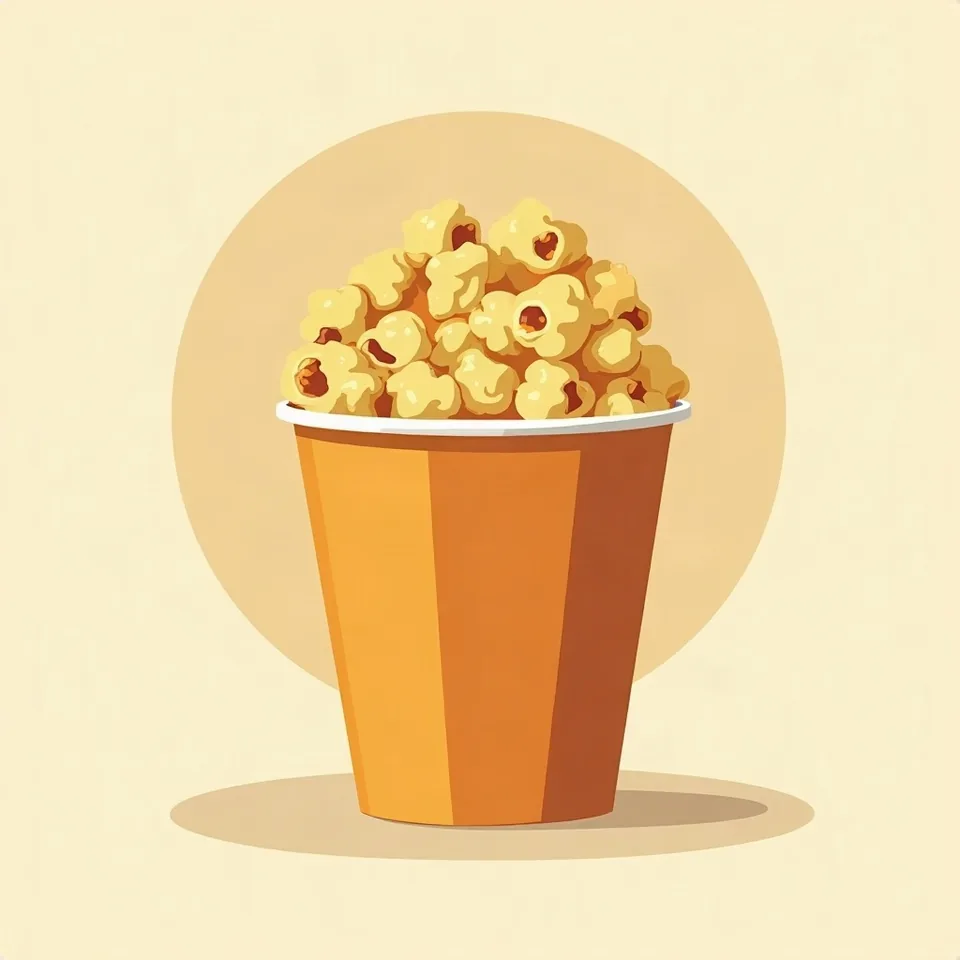
Plain, home-popped popcorn without salt, butter, or flavoring is safe for dogs in small amounts and contains a little fiber. The real risks are unpopped kernels, salt, butter, and flavored store-bought mixes. Here is how to offer popcorn safely and when to skip it.
Why only in moderation
Popped corn kernels are not toxic to dogs on their own and contain a small amount of fiber. As an occasional treat in small amounts, popcorn is fine as long as it is prepared without added fat, salt, or seasoning and offered only now and then, not as a regular snack.
Unpopped or partially popped kernels are hard and can lodge in the throat or damage teeth. Small dogs also risk an intestinal blockage if they eat several at once, so always pick through popcorn carefully before offering it and remove any kernel that has not fully popped.
Store-bought popcorn, buttered, salted, caramel, or spicy varieties, contains far more fat, salt, or sugar than is healthy for a dog. Excess salt can, in rare cases, lead to sodium poisoning, though an upset stomach is the more common outcome.
Microwave popcorn often contains flavoring powders with onion or garlic, which are toxic to dogs. The only safe option is plain, home-popped popcorn with no additives, ideally air-popped, without a single grain of salt or drop of oil.
How to serve popcorn
- Air-pop it at home or make it on the stovetop without oil, butter, or salt.
- Pick through it carefully before serving and discard any unpopped kernels.
- Offer just a few pieces as an occasional treat, not a regular snack.
- Never use flavored, salted, or buttered popcorn from a cinema or microwave bag.
Rough portion
Small dogs: 3-5 pieces, occasionally. Medium dogs: a small handful (8-10 pieces). Large dogs: a slightly bigger handful. Treat it as an occasional extra, not a regular reward.
Risks
- Unpopped kernels can cause choking, damage teeth, or block the intestines.
- Salty, buttery popcorn strains digestion and, in large amounts, the kidneys and heart.
- Flavoring powders on store-bought popcorn often contain onion or garlic.
- Caramel popcorn is high in sugar, which is unsuitable for overweight or diabetic dogs.
Symptoms to watch for
- Coughing, gagging, or trouble breathing if a kernel gets stuck
- Vomiting or diarrhea after salty or buttery popcorn
- Increased thirst and urination from a high salt intake
- Stomach pain after a larger amount
Your dog already ate popcorn. What now?
- If your dog eats a few plain popcorn pieces, no action is needed.
- If they are choking or struggling to breathe after swallowing a kernel, treat it as an emergency and get to a vet immediately.
- After a larger amount of salty or buttery popcorn, watch for excess thirst, urination, and digestive upset, and contact your vet if things get worse.
Common questions about dogs and popcorn
Can I give my dog movie theater popcorn?
No. Cinema popcorn is heavily salted and buttery, often with caramel flavoring too, which puts unnecessary strain on your dog's digestion, kidneys, and weight. If you want to treat your dog, make plain, air-popped popcorn at home with no salt, butter, or seasoning of any kind.
Is it dangerous if my dog swallows a whole unpopped kernel?
One hard kernel usually passes without trouble, but repeated or larger amounts can damage teeth, cause choking, or block the intestines, especially in small breeds. Always pick through popcorn carefully before offering it to your dog.
Can dogs have microwave popcorn?
It is not recommended. Microwave bags contain flavoring powders, fats, and salt, often including onion or garlic powder, which is toxic to dogs. It is safer to make popcorn at home without any additives.
How much popcorn can a dog eat?
As an occasional treat, just a few pieces, 3 to 5 kernels for a small dog, a bit less than a handful for a large one. Popcorn has no nutritional value worth seeking out; it is just an occasional novelty and should not replace quality dog treats.
Other good treats
Can dogs eat apples?
Yes, dogs can eat apples. The flesh is safe, full of fiber and vitamin C, and even gives teeth a light mechanical clean. Always remove the core and seeds, though, and don't feed large pieces at once.
Can dogs eat carrots?
Yes, carrots are safe for dogs and rank among the best treats you can give them. They're low in calories, full of fiber and beta-carotene, and raw carrots even help clean teeth. Cut them to a size that suits your dog.
Can dogs eat oatmeal?
Yes, cooked oatmeal is safe for dogs and can be a healthy alternative to wheat-based grains, especially for dogs sensitive to gluten. Always serve it cooked and plain, with no flavoring, sugar, or raisins.
Can dogs eat pumpkin?
Yes, cooked or plain pumpkin flesh is very healthy for dogs, and vets often recommend it to help with digestive upset. Always choose plain pumpkin puree, never pie filling with added sugar and spices.
More from grains and bread
Can dogs eat bread?
Yes, a piece of plain baked bread won't hurt a dog, but it has no nutritional value for them and just adds empty calories. Raw, yeasted dough is dangerous, though, and should never end up within a dog's reach.
Can dogs eat bread rolls?
Yes, a small piece of a plain bread roll won't hurt a dog, but it's just empty carbs and salt. It's not something to feed regularly — a few crumbs for a small dog, a quarter roll for a large one, and only occasionally.
Can dogs eat pasta?
Yes, plain cooked pasta without salt or sauce won't hurt a dog, but it's just a carbohydrate side dish with no special nutritional benefit. Watch out for sauces with onion, garlic, cream or cheese, which are usually riskier than the pasta itself.
Sources
Last updated 2 September 2026.