Can dogs eat salami?
Short answer
No, dogs should not eat salami. It is extremely high in fat and salt and often seasoned with garlic or onion, which can trigger pancreatitis or salt poisoning. A single thin slice of lean salami will not usually harm a large dog, but it is not a suitable everyday treat.
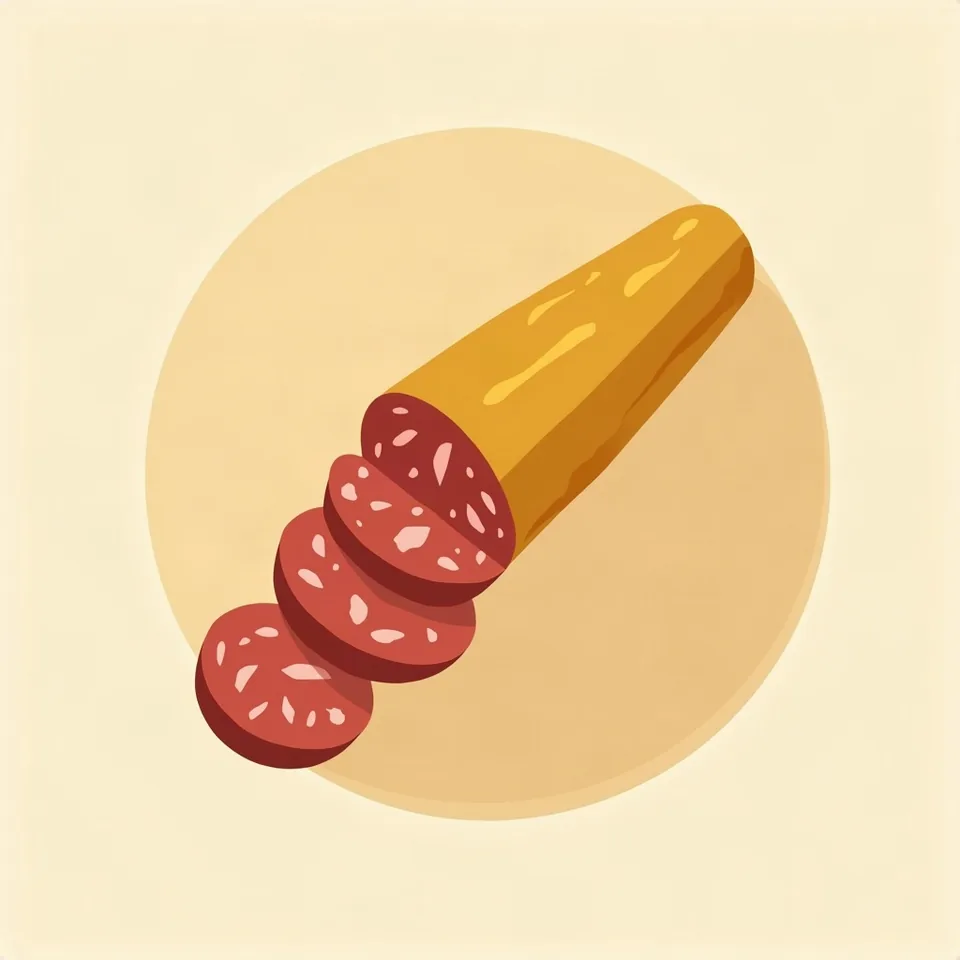
Salami is a cured meat that is tough on dogs because of its high fat, salt, and seasoning content. Here is why it raises the risk of pancreatitis and salt poisoning, what to do if your dog eats some, and what to offer instead.
Why not
Salami is roughly 25-40% fat, an extreme load for a dog's digestive system. A sudden intake of that much fat is one of the most common triggers of acute pancreatitis, a painful and sometimes life-threatening condition that particularly affects small breeds, senior dogs, and dogs prone to obesity or with a history of pancreatitis.
Salami's salt content is high, typically around 2-3 g per 100 g. Even a few slices can put a real strain on a small dog's kidneys and may cause excessive thirst, vomiting, or diarrhea. With repeated feeding, the salt also contributes to higher blood pressure and puts extra strain on the heart.
Many salami varieties contain garlic or onion powder, pepper, chili, or other seasoning that irritates the digestive tract, and in the case of garlic and onion, can damage red blood cells. Preservatives like nitrites also add strain to the body in large amounts, though a single piece will not typically cause poisoning.
Salami is calorie-dense: a small slice packs a similar energy load to an entire meal for a small dog. Regular feeding contributes to weight gain, which raises the risk of joint problems, diabetes, and heart disease in dogs.
Rough portion
There is no safe regular portion. An occasional thin slice of lean, unseasoned salami usually will not cause problems in a healthy large dog; in small breeds and dogs prone to pancreatitis, even a small amount can be enough.
Risks
- Acute pancreatitis from the high fat content, showing up as abdominal pain and repeated vomiting.
- Salt poisoning with larger amounts or in small dogs: excessive thirst, vomiting, in severe cases seizures.
- Digestive irritation from seasoning, garlic, or onion in the recipe.
- Long-term contributor to weight gain and related health problems.
Symptoms to watch for
- Vomiting and abdominal pain
- Diarrhea
- Loss of appetite, lethargy
- Excessive thirst and urination after a salty meal
- Twitching, restlessness with more severe pancreatitis
Your dog already ate salami. What now?
- If your dog ate just a small piece as a one-off, watch them at home for 24-48 hours and keep an eye on stool and appetite.
- If they ate a larger amount, a whole package, or your dog is prone to pancreatitis, call your vet even without symptoms yet.
- If you see repeated vomiting, a painful, tense belly, or lethargy, this could be pancreatitis; seek emergency veterinary care.
- Make sure your dog has plenty of fresh water, and offer easily digestible food (cooked chicken, rice) over the following days, checking with your vet first.
Common questions about dogs and salami
Can my dog eat a piece of salami that fell on the floor?
One small piece of lean salami usually will not harm a healthy, large dog. Be more cautious with small breeds, puppies, or dogs prone to pancreatitis, and watch their stool and appetite for a few days. Do not make salami a regular reward, though.
Why is salami riskier for dogs than fresh meat?
Fresh, lean meat contains minimal fat and salt, while salami is a cured, smoked product that is high in both and often seasoned as well. That combination stresses the pancreas and kidneys in a way fresh meat simply does not.
What are the signs of pancreatitis after eating salami?
Typical signs are repeated vomiting, a hunched, painful posture, loss of appetite, and lethargy, usually within 24 hours of eating. This condition needs veterinary attention, since untreated pancreatitis can be life-threatening.
Is smoked salami worse than the plain kind?
Yes, smoking and added seasoning, especially garlic and onion powder, raise the risk further. A thin slice of plain, unseasoned salami is the least risky option, but even that is better left out of a dog's diet because of the fat and salt content.
Safer alternatives
Can dogs eat beef?
Yes, cooked or stewed lean beef is an excellent source of protein for dogs and is one of the most common ingredients in both homemade and commercial dog food. Just avoid fatty cuts, seasoning, and the risks that come with raw meat.
Can dogs eat carrots?
Yes, carrots are safe for dogs and rank among the best treats you can give them. They're low in calories, full of fiber and beta-carotene, and raw carrots even help clean teeth. Cut them to a size that suits your dog.
Can dogs eat cucumber?
Yes, cucumber is safe for dogs and very low in calories. It's about 95% water, making it a refreshing summer treat and a good option for overweight dogs. Serve it raw, and peel it for dogs with sensitive digestion.
Can dogs eat chicken?
Yes, cooked chicken with no skin, bones, or seasoning is one of the best and most digestible protein sources for dogs. Vets commonly recommend it as part of a bland diet for stomach upset too.
More from human food
Can dogs eat bacon?
No, bacon is not recommended for dogs. It is extremely high in fat and salt and is one of the most common triggers of acute pancreatitis in dogs. An occasional small piece of crispy cooked bacon usually will not seriously harm a healthy large dog, but it is not a good regular treat.
Can dogs eat french fries?
No, french fries aren't a good treat for dogs. They're deep-fried in a lot of oil and heavily salted, which strains the pancreas and kidneys. A few unsalted fries as a rare exception won't hurt a large, healthy dog, but they shouldn't become a regular reward.
Can dogs eat ham?
No, ham should not be a regular part of a dog's diet. Even lean ham is high in salt and often contains phosphates and flavorings that strain the kidneys and pancreas with regular feeding. An occasional piece of plain ham without rind or fat is usually fine for a healthy large dog.
Sources
- ASPCA: People Foods to Avoid Feeding Your Pets
- Merck Veterinary Manual: Pancreatitis in Dogs
Last updated 2 September 2026.