Can dogs eat pistachios?
Short answer
Yes, but only a few shelled, unsalted pistachios now and then. They aren't acutely toxic like macadamia nuts, but they're high in fat and the shell can block the gut.
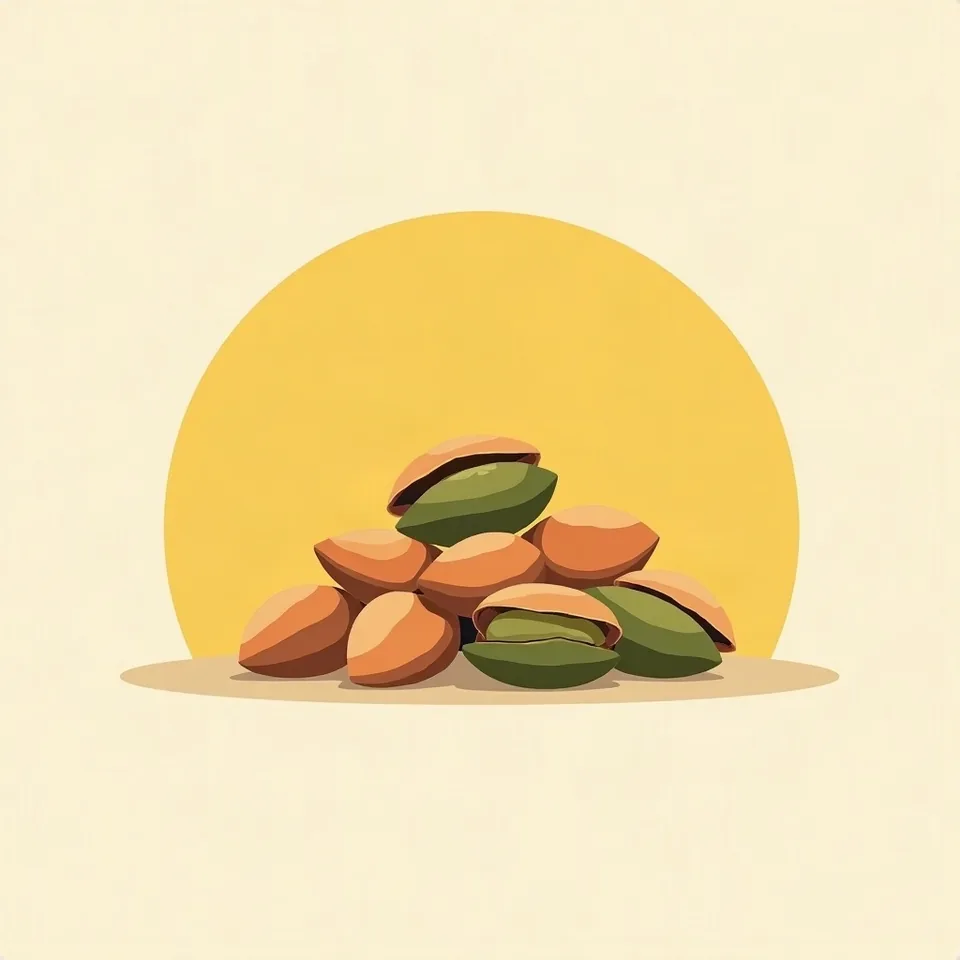
Pistachios aren't poisonous to dogs, but they're not a great everyday treat either. High fat and sodium content, plus the choking and blockage risk from shells or mold, mean pistachios work best as a rare, small-portion snack rather than a regular one.
Why only in moderation
Pistachios themselves don't contain a compound that causes direct poisoning in dogs the way macadamia nuts or mold-contaminated nuts do. The real issue is their composition: they're high in fat, which raises the risk of digestive upset in dogs and, with repeated feeding, pancreatitis (inflammation of the pancreas).
Salted and flavored pistachios also carry sodium, and dogs need only a fraction of the salt found in a typical bag of store-bought nuts. Higher salt intake can lead to excessive thirst, vomiting, and, in sensitive dogs, electrolyte imbalances.
The shell is hard and poorly digestible, creating a risk of it getting stuck in the esophagus or blocking the intestine, especially in small dogs. Pistachios are also among the nuts prone to Aspergillus mold, which produces aflatoxins. These are toxic to a dog's liver and can cause serious liver damage.
Given the combination of high calorie content, sodium, and mold risk, pistachios are better treated as an occasional treat in tiny amounts rather than a regular snack.
How to serve pistachios
- Only offer shelled, unsalted, unflavored pistachios.
- Always remove the shell; even small shell fragments can cause problems swallowing, especially in small dogs.
- Offer at most a few pieces at a time, and not every day, because of the high fat content.
- Check that the nuts aren't moldy, stale, or old; mold on nuts is more dangerous than the pistachios themselves.
- In dogs prone to pancreatitis, overweight, or with digestive issues, it's best to skip pistachios entirely.
Rough portion
Small dog (under 22 lb): 1 pistachio on rare occasions; medium dog (22–55 lb): 2–3 pistachios; large dog (over 55 lb): 4–5 pistachios, at most once in a while, not on a regular basis.
Risks
- Risk of pancreatitis with repeated feeding due to high fat content.
- Shell getting stuck in the esophagus or blocking the intestine, especially in small breeds.
- Higher sodium intake from salted pistachios can cause vomiting or electrolyte imbalances.
- Aflatoxin risk from mold on old or poorly stored nuts, which damages the liver.
- Weight gain from frequent feeding due to the nuts' high calorie content.
Symptoms to watch for
- Vomiting
- Diarrhea
- Abdominal pain, restlessness
- Excessive thirst (with salted pistachios)
- Loss of appetite
- Jaundice or lethargy (possible aflatoxin exposure — rare but serious)
Your dog already ate pistachios. What now?
- If your dog eats just a few shelled, unsalted pistachios, it's usually enough to watch them and monitor stool and appetite.
- If they ate a larger amount, salted pistachios, or nuts with shells, contact your vet; digestive upset or intestinal blockage is possible.
- If you suspect moldy nuts, seek veterinary care even without obvious symptoms, since liver damage can show up later.
- Watch for repeated vomiting, a painful bloated belly, or lethargy — these are signs to see a vet immediately.
Common questions about dogs and pistachios
Are pistachios as poisonous to dogs as macadamia nuts?
No, pistachios don't share the same toxic mechanism as macadamia nuts. The main concerns are high fat content, sodium in flavored versions, and the risk from shells or mold, not direct poisoning like with macadamias.
Can a dog eat a pistachio still in its shell?
This shouldn't happen intentionally; the shell is hard, poorly digestible, and can get stuck in the esophagus or block the intestine, especially in small breeds. If your dog swallowed a shell, watch them closely and see a vet if they have trouble swallowing or start vomiting.
How many pistachios can a dog eat?
A safe amount is just a few pieces on rare occasions: one for a small dog, up to four or five for a large dog. We don't recommend feeding pistachios regularly because of their high fat content.
Are salted pistachios worse for dogs than unsalted ones?
Yes, salted and flavored pistachios contain much more sodium than a dog's body needs. This can lead to excessive thirst, vomiting, and electrolyte imbalances in sensitive dogs, so stick to unsalted varieties only.
Other good treats
Can dogs eat almonds?
No, almonds aren't recommended for dogs. They're not toxic the way macadamia nuts are, but dogs digest them poorly, a whole nut poses a choking risk, and the high fat content can trigger pancreatitis.
Can dogs eat peanuts?
Yes, raw or roasted unsalted peanuts without the shell are fine for dogs in small amounts. Shells, salted peanuts, and flavored varieties aren't recommended because of the risk of a blocked gut and too much sodium.
Can dogs eat pumpkin?
Yes, cooked or plain pumpkin flesh is very healthy for dogs, and vets often recommend it to help with digestive upset. Always choose plain pumpkin puree, never pie filling with added sugar and spices.
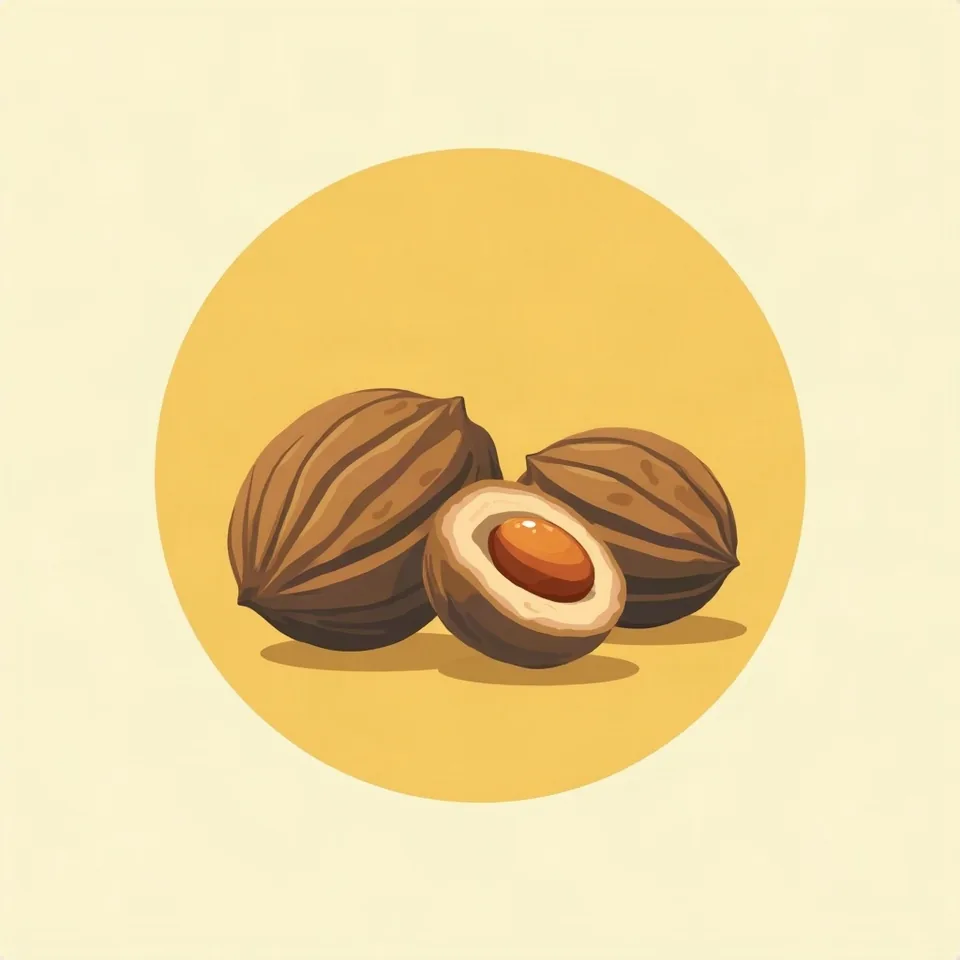
Can dogs eat walnuts?
No, walnuts aren't recommended for dogs. They're very high in fat and can trigger pancreatitis, and mouldy or fallen walnuts contain mycotoxins that cause tremors and seizures.
More from nuts and seeds
Can dogs eat cashews?
Yes, dogs can eat cashews, but only raw, unsalted ones and in small amounts. Cashews are high in fat, so larger portions can cause digestive upset or contribute to pancreatitis.
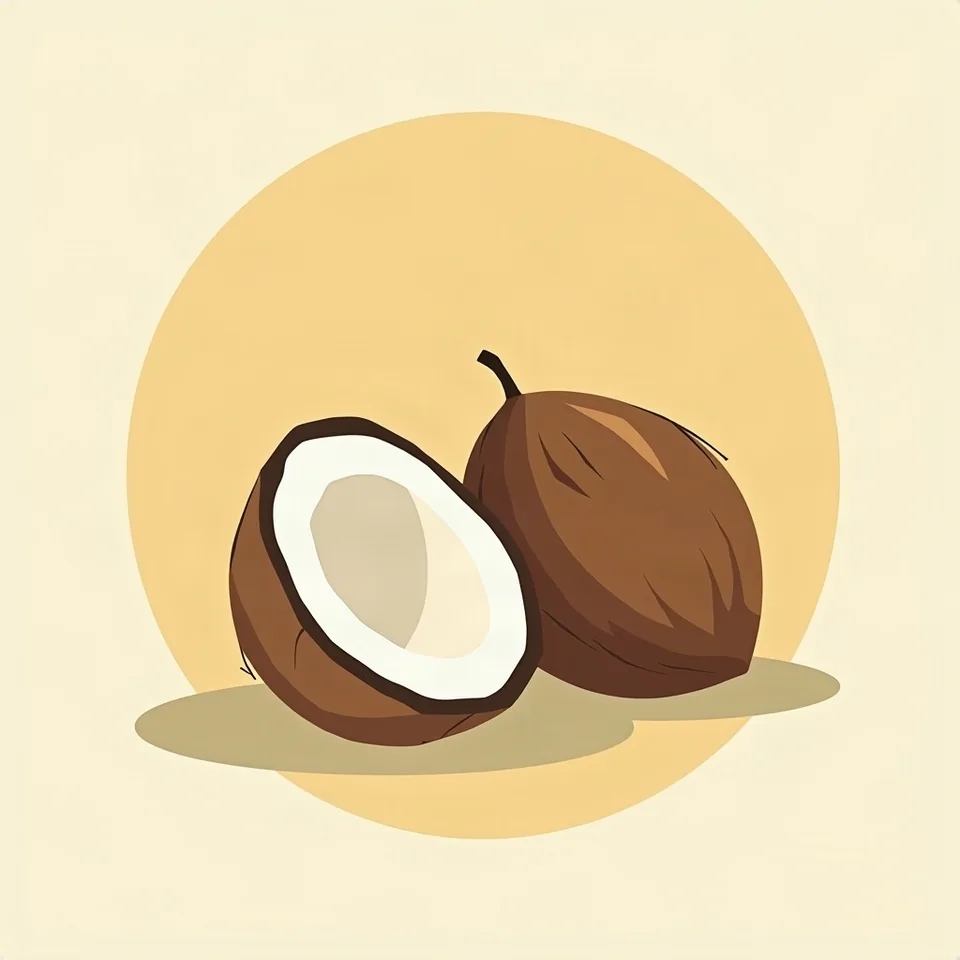
Can dogs eat coconut?
Yes, a small piece of fresh coconut flesh with the shell removed usually won't hurt a dog. Because of the high fat content and the risk of injury from the hard shell, though, coconut should stay an occasional treat.
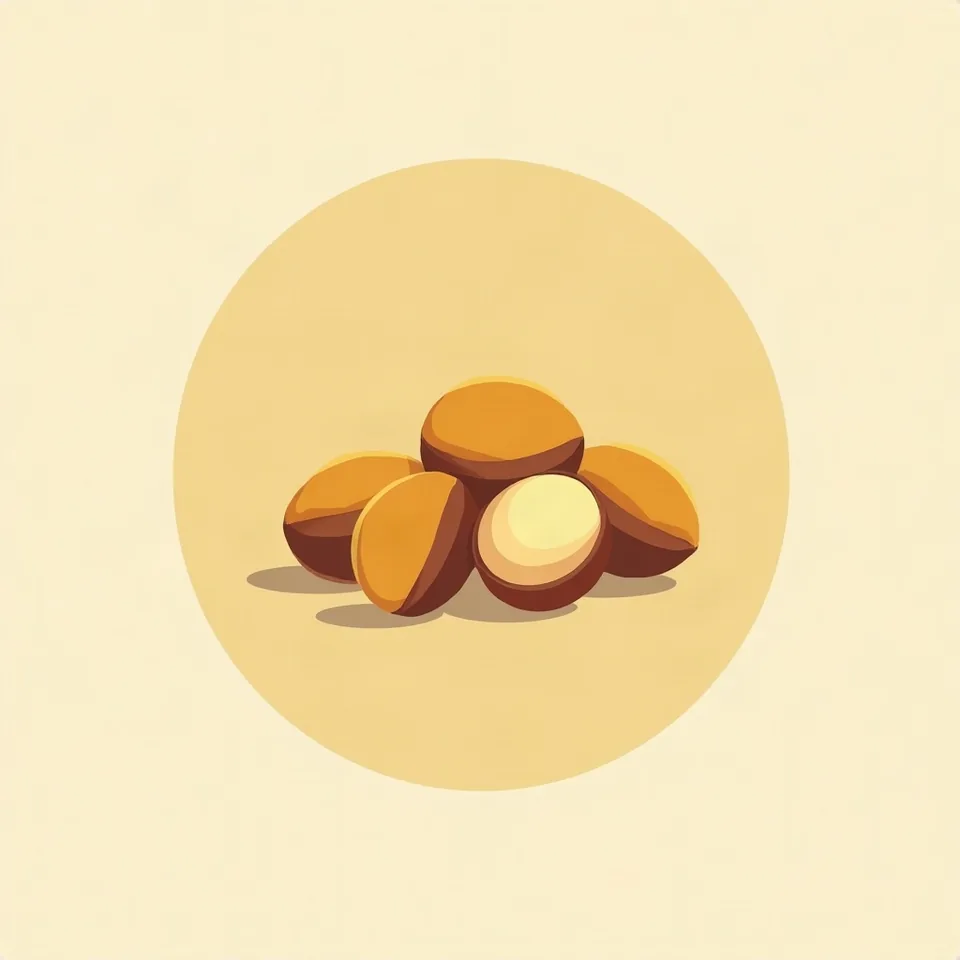
Can dogs eat macadamia nuts?
No, macadamia nuts are toxic to dogs. As little as 6 nuts for a 22 lb dog can cause weakness, tremors, and fever, so your dog should never get even one.
Sources
- ASPCA Animal Poison Control: People Foods to Avoid Feeding Your Pets
- Merck Veterinary Manual: Food Hazards in Dogs and Cats
- Pet Poison Helpline: Poisons
Last updated 10 September 2026.