Can dogs eat walnuts?
Short answer
No, walnuts aren't recommended for dogs. They're very high in fat and can trigger pancreatitis, and mouldy or fallen walnuts contain mycotoxins that cause tremors and seizures.
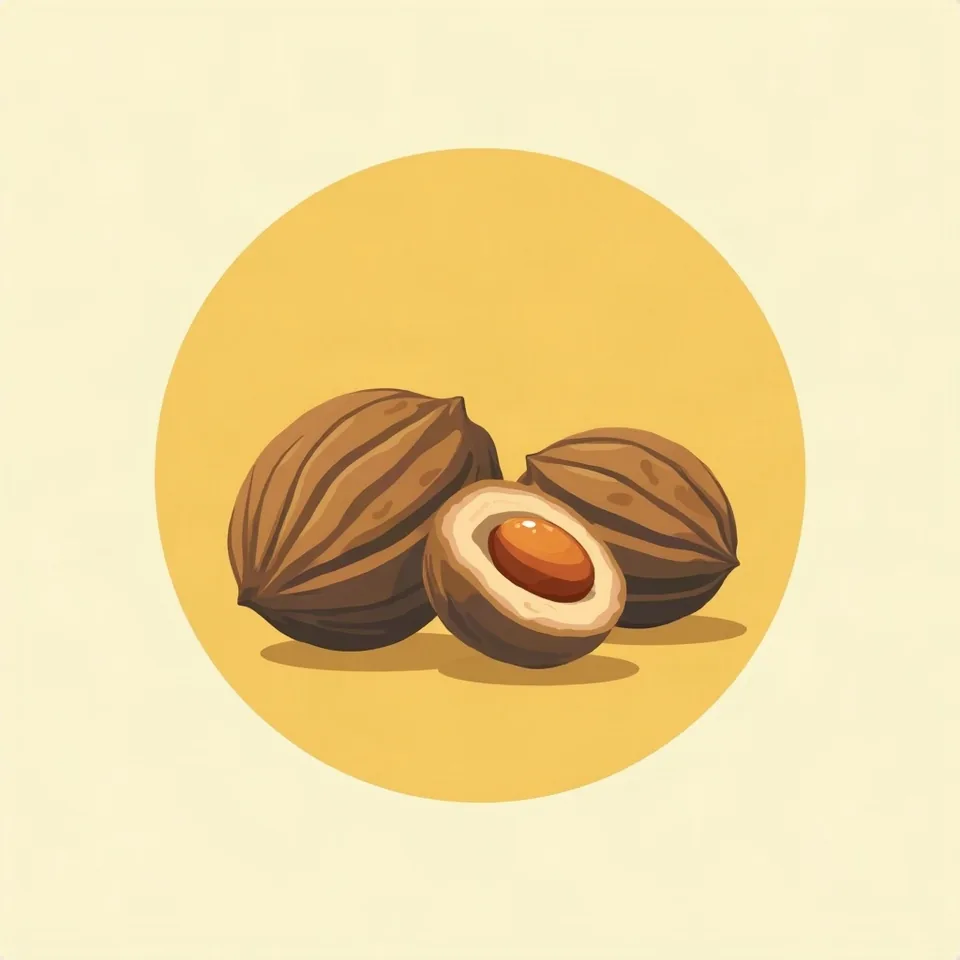
Walnuts aren't as acutely dangerous to dogs as macadamia nuts, but they're still not recommended. Their high fat content strains the pancreas, and mouldy or fallen nuts from the garden can contain mycotoxins with serious neurological effects. Here's why it's best to avoid them.
Why not
Toxic compound: tremorgenic mycotoxins (in mouldy walnuts), juglone (in black walnuts).
Walnuts are among the fattiest nuts around. Their high fat content is hard on a dog's digestion, and in predisposed breeds, such as Bichons, Schnauzers or Yorkshire Terriers, it can trigger acute pancreatitis, a painful and potentially life-threatening condition.
A more serious risk comes from mouldy or fallen walnuts, which dogs often encounter under a tree on a walk. Mould growing on them can produce tremorgenic mycotoxins, which cause muscle tremors and, in severe cases, seizures that need emergency veterinary care.
Black walnuts deserve a special mention: they contain a compound called juglone and are toxic to dogs in their own right, independent of any mould, causing digestive upset and, in sensitive dogs, neurological symptoms too. Black walnut trees are common in gardens and parks, so it's worth being able to recognise one.
Walnut shells are also hard and sharp. They can injure the mouth or oesophagus, or cause an intestinal blockage if a dog swallows one whole or in large pieces, sometimes requiring surgery to remove the obstruction from the digestive tract.
Rough portion
No safe amount is recommended. Even a small handful of fresh walnuts can cause digestive upset in a smaller dog or contribute to pancreatitis.
Risks
- Pancreatitis from the high fat content, particularly in predisposed breeds.
- Mycotoxin poisoning from mouldy or fallen walnuts, with serious neurological symptoms.
- Toxicity from black walnuts, independent of any mould.
- Mouth injury or intestinal blockage from a hard shell.
Symptoms to watch for
- Vomiting and diarrhoea
- Loss of appetite, abdominal pain
- Muscle tremors
- Seizures and fever (with mycotoxin poisoning)
- Lethargy
Your dog already ate walnuts. What now?
- If your dog eats a few fresh walnuts from a bag, watch its digestion and appetite over the next 24 hours.
- If it picked up fallen or visibly mouldy walnuts in the garden or on a walk, contact your vet even without symptoms; mycotoxins can take effect with a delay.
- Tremors, seizures or fever are an emergency and need immediate veterinary treatment.
Common questions about dogs and walnuts
Are walnuts as toxic to dogs as macadamia nuts?
Not in the same acute way. Macadamia nuts are toxic in their own right, even fresh. With walnuts, the main risks are their high fat content and the possibility of mould carrying serious mycotoxins if they're fallen or old. It's still safer to avoid them altogether.
What should I do if my dog ate a mouldy walnut from the garden?
Watch closely for tremors, restlessness, vomiting or fever, and call your vet immediately if any of these appear. Mycotoxins from mould can cause serious neurological problems, so it's better not to wait and to check in with your vet as a precaution too.
Can I give my dog a walnut as an occasional treat?
It's not recommended. Even a small amount can trigger digestive upset or contribute to pancreatitis in sensitive dogs, and the risk from the shell or hidden mould clearly outweighs any benefit. There are plenty of safer treats to choose from instead.
Are walnuts picked up on a walk more dangerous than shop-bought ones?
Yes, generally more so than packaged nuts from a shop. Fallen walnuts tend to be damp, old and prone to mould, which raises the risk of mycotoxin poisoning. It's worth training your dog out of picking up nuts on walks, and using a muzzle or keeping it on a lead during the season when walnuts are dropping.
Safer alternatives
Can dogs eat apples?
Yes, dogs can eat apples. The flesh is safe, full of fiber and vitamin C, and even gives teeth a light mechanical clean. Always remove the core and seeds, though, and don't feed large pieces at once.
Can dogs eat blueberries?
Yes, blueberries are one of the healthiest fruits for dogs. They're small, low in calories, and packed with antioxidants, which is why they're often recommended as a training treat or a snack for older dogs.
Can dogs eat carrots?
Yes, carrots are safe for dogs and rank among the best treats you can give them. They're low in calories, full of fiber and beta-carotene, and raw carrots even help clean teeth. Cut them to a size that suits your dog.
Can dogs eat pumpkin?
Yes, cooked or plain pumpkin flesh is very healthy for dogs, and vets often recommend it to help with digestive upset. Always choose plain pumpkin puree, never pie filling with added sugar and spices.
More from nuts and seeds
Can dogs eat almonds?
No, almonds aren't recommended for dogs. They're not toxic the way macadamia nuts are, but dogs digest them poorly, a whole nut poses a choking risk, and the high fat content can trigger pancreatitis.

Can dogs eat cashews?
Yes, dogs can eat cashews, but only raw, unsalted ones and in small amounts. Cashews are high in fat, so larger portions can cause digestive upset or contribute to pancreatitis.
Can dogs eat coconut?
Yes, a small piece of fresh coconut flesh with the shell removed usually won't hurt a dog. Because of the high fat content and the risk of injury from the hard shell, though, coconut should stay an occasional treat.
Sources
- ASPCA Animal Poison Control: People foods to avoid feeding your pets
- Merck Veterinary Manual: Mycotoxin Poisoning in Animals
Last updated 2 September 2026.