Can dogs eat cottage cheese?
Short answer
Yes, cottage cheese is one of the most easily digested dairy products for dogs. It's low in lactose and high in protein. Even so, it should stay an occasional addition to the diet, not a regular part of it.
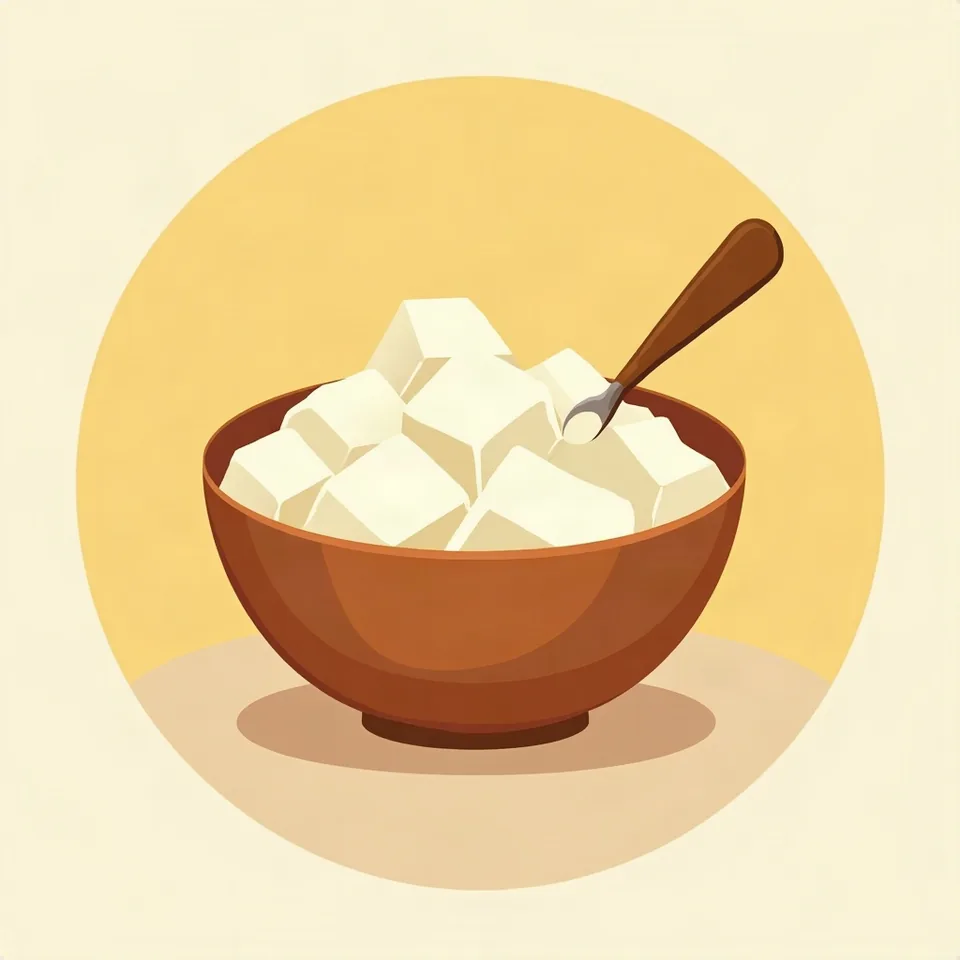
Thanks to its low lactose content and high protein level, cottage cheese is one of the gentlest dairy products for a dog's digestion, and it's often used in a bland diet for digestive upsets. Here's how to serve it and how much to give.
Why only in moderation
Cottage cheese is made by curdling milk and draining off the whey, which removes most of the lactose that was in the liquid. The result is high in protein with relatively little residual lactose, so even dogs with a mild dairy intolerance often tolerate it better than milk or soft cheese.
That's exactly why cottage cheese, paired with cooked rice, is sometimes used as part of a bland diet for mild digestive upset. It's easy to digest and provides protein, calcium, phosphorus and B vitamins without putting too much strain on the digestive system.
Always choose plain, unflavoured, unsalted cottage cheese. Flavoured versions with fruit, sugar or vanilla aren't suitable, and ready-made savoury spreads with onion or chives, common on supermarket shelves, contain ingredients that are toxic to dogs.
Even well-tolerated cottage cheese is still a calorie-dense dairy food. Regular large portions contribute to weight gain, and in dogs prone to pancreatitis, the higher fat content of full-fat versions can be an issue. A low-fat variety and smaller, occasional portions are the better choice.
How to serve cottage cheese
- Choose plain, unflavoured, ideally low-fat cottage cheese with no added salt or sugar.
- Serve a small spoonful mixed into a regular meal, or as a standalone treat.
- For mild digestive upset, it can be combined with cooked rice for a few days.
- Avoid ready-made flavoured spreads with onion, chives or other herbs.
Rough portion
Small dog: 1 teaspoon to 1 tablespoon. Medium dog: 2-3 tablespoons. Large dog: 3-4 tablespoons, a few times a week as a food topper.
Risks
- Weight gain from regular larger portions, especially of full-fat cottage cheese.
- Digestive upset in dogs sensitive to any dairy product, though usually milder than with milk.
- Risk of poisoning from flavoured spreads containing onion or chives.
- Extra strain on the pancreas from fattier varieties fed in excess.
Symptoms to watch for
- Mild bloating, gas
- Loose stool in sensitive dogs
- Vomiting after a larger portion or a flavoured version
- Abdominal pain, lethargy (after eating a spread containing onion)
Your dog already ate cottage cheese. What now?
- If your dog ate a larger amount of plain cottage cheese, it's usually enough to keep an eye on its stool through the day; most dogs tolerate even a generous portion well.
- If it was a savoury spread with onion, chives or garlic, check the ingredient list, and if any of those are present, contact your vet because of the poisoning risk.
- See your vet if diarrhoea or vomiting after cottage cheese doesn't settle down.
Common questions about dogs and cottage cheese
Is cottage cheese good for dogs?
Yes, thanks to its low lactose content and high protein level, it's one of the gentlest dairy products for dogs. Plain, unflavoured, ideally low-fat cottage cheese served in small amounts as an addition to the diet is a good choice.
Can I give my dog cottage cheese for diarrhoea?
Yes, plain low-fat cottage cheese with cooked rice is commonly used as part of a bland diet for mild digestive upset. If diarrhoea lasts more than a day or gets worse, your dog needs a veterinary check rather than a home diet adjustment.
Is cottage cheese better than regular cheese for dogs?
In terms of lactose and fat, cottage cheese is usually the gentler choice compared with aged or fattier cheeses, since it's lower in both fat and salt. Both, however, should remain an occasional addition rather than a regular part of the diet.
How much cottage cheese can a dog eat?
As a guide, a teaspoon to a tablespoon for a small dog and a few tablespoons for a large dog, offered a few times a week. The right amount also depends on your dog's overall calorie needs, so pick smaller portions of a low-fat variety for a dog that's overweight.
Is cottage cheese suitable for puppies?
In small amounts, puppies past weaning usually tolerate it well thanks to its low lactose content, but introduce it gradually and watch the stool. It shouldn't replace a complete puppy food, it's just an occasional extra.
Other good treats

Can dogs eat eggs?
Yes, eggs are an excellent source of protein and biotin for dogs, ideally boiled or scrambled without salt or fat. Raw eggs aren't recommended because of the risk of salmonella and reduced biotin absorption.

Can dogs eat chicken?
Yes, cooked chicken with no skin, bones, or seasoning is one of the best and most digestible protein sources for dogs. Vets commonly recommend it as part of a bland diet for stomach upset too.

Can dogs eat kefir?
Yes, plain kefir is low in lactose and rich in probiotic cultures, making it easy for most dogs to digest. In small amounts, it can even be given fairly regularly as a dietary supplement.

Can dogs eat yogurt?
Yes, plain yogurt with no added sugar or flavoring can be given to dogs in small amounts as a source of probiotics and calcium, but because of the lactose and the risk of xylitol in flavored versions, keep it occasional and always plain.
More from dairy
Can dogs eat butter?
No, butter isn't recommended for dogs. It's almost pure fat with no useful nutrients to speak of, and even a small amount can cause digestive upset or contribute to pancreatitis in sensitive dogs.
Can dogs eat camembert?
Yes, a dog can eat a small piece of camembert, but only as an occasional treat. It's high in fat and salt, so larger amounts can cause digestive upset or stress the pancreas.

Can dogs eat cream?
No, cream is not recommended for dogs. Like butter, it is a very high-fat dairy product that easily causes digestive upset and raises the risk of pancreatitis.
Sources
- AKC: Can Dogs Eat Cottage Cheese?
- WSAVA Global Nutrition Committee: Guidelines on selecting pet foods and treats
Last updated 2 September 2026.