Can dogs eat butter?
Short answer
No, butter isn't recommended for dogs. It's almost pure fat with no useful nutrients to speak of, and even a small amount can cause digestive upset or contribute to pancreatitis in sensitive dogs.
Butter is an unnecessarily fatty food for dogs that offers no nutritional benefit they couldn't get elsewhere. Here's why it doesn't belong on the menu even as a treat, and what to watch for if your dog gets into it.
Why not
Butter is more than 80% fat, with the rest being water and only trace amounts of protein, vitamins, and minerals. It offers no nutritional value that a dog couldn't get more easily and safely from another source, it's essentially just concentrated calories.
High fat content is one of the best-known triggers of acute pancreatitis in dogs. The risk is higher in predisposed breeds (miniature schnauzers, for example) or dogs unused to a fatty diet, but even an otherwise healthy dog can react badly to an unusually large amount, like a stick licked off the counter.
Even without triggering pancreatitis, butter often causes classic digestive upset, vomiting and greasy, loose diarrhea, because a dog's digestion isn't built for that much pure fat at once. A small residual amount of lactose can add lactose intolerance on top of that.
Butter is often part of baked goods and sweets that carry their own risks, garlic bread, cakes, or cookies may contain onion, garlic, sugar, or xylitol. If a dog eats something fatty and sweet at the same time, the risks stack up.
Rough portion
No safe regular amount. Butter shouldn't be part of a dog's diet, whether mixed into food or given as a treat.
Risks
- Acute pancreatitis from the high fat content, a life-threatening condition in severe cases.
- Weight gain with repeated feeding.
- Vomiting and greasy diarrhea after a larger amount.
- Hidden risks in baked goods containing butter (onion, garlic, sugar, xylitol).
Symptoms to watch for
- Vomiting
- Abdominal pain, hunched posture
- Lethargy, reduced appetite
- Greasy, loose diarrhea
- Fever (with developed pancreatitis)
Your dog already ate butter. What now?
- If your dog ate a piece of butter or licked part of a stick, watch them for 24 to 48 hours, since pancreatitis doesn't always show up right away.
- Keep them calm and offer easily digestible food for a few days, skip fatty meals entirely.
- If vomiting, abdominal pain, or lethargy appear, see a vet as soon as possible.
- For dogs with a history of pancreatitis or a predisposed breed, contact your vet proactively even without visible symptoms.
Common questions about dogs and butter
Can a dog get sick from eating butter?
Yes, the high fat content in butter is a known risk factor for acute pancreatitis, which can be a serious and painful condition. Even without pancreatitis, butter often causes vomiting or diarrhea, so it's not worth offering as a treat.
Is a small amount of butter dangerous for a dog?
A single lick usually won't cause serious problems in a healthy dog, but it's not a risk worth taking unnecessarily. A larger amount at once, like a whole stick licked off the counter, can trigger digestive upset or pancreatitis.
Why is fatty food so risky for dogs?
A dog's pancreas isn't built to handle a sudden large intake of fat, which can trigger an acute inflammation that's painful and, in severe cases, life-threatening. That's why vets generally recommend avoiding butter, cream, bacon, and fatty food scraps in general.
What should I do if my dog eats a whole stick of butter?
Watch them closely for the next 24 to 48 hours for signs like vomiting, abdominal pain, or lethargy, which can signal the start of pancreatitis. Keep other fatty food away from them in the meantime and offer only a light, easily digestible meal. If any symptoms appear, don't wait, call your vet or an emergency vet right away.
Is clarified butter (ghee) any safer for dogs?
Ghee has no lactose or milk protein, but it's essentially pure fat in an even more concentrated form than regular butter. The risk of pancreatitis and weight gain is the same or higher, so it's best to avoid feeding it regularly too.
Safer alternatives
Can dogs eat cottage cheese?
Yes, cottage cheese is one of the most easily digested dairy products for dogs. It's low in lactose and high in protein. Even so, it should stay an occasional addition to the diet, not a regular part of it.
Can dogs eat eggs?
Yes, eggs are an excellent source of protein and biotin for dogs, ideally boiled or scrambled without salt or fat. Raw eggs aren't recommended because of the risk of salmonella and reduced biotin absorption.
Can dogs eat chicken?
Yes, cooked chicken with no skin, bones, or seasoning is one of the best and most digestible protein sources for dogs. Vets commonly recommend it as part of a bland diet for stomach upset too.
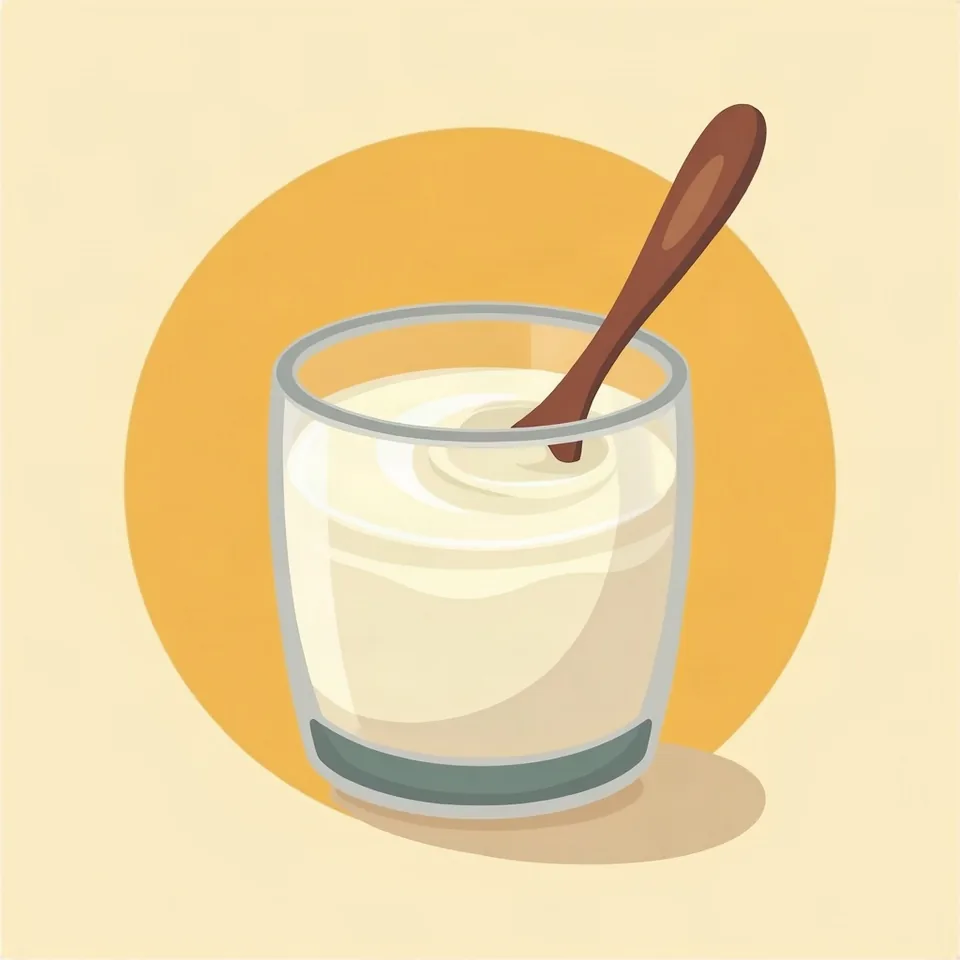
Can dogs eat yogurt?
Yes, plain yogurt with no added sugar or flavoring can be given to dogs in small amounts as a source of probiotics and calcium, but because of the lactose and the risk of xylitol in flavored versions, keep it occasional and always plain.
More from dairy
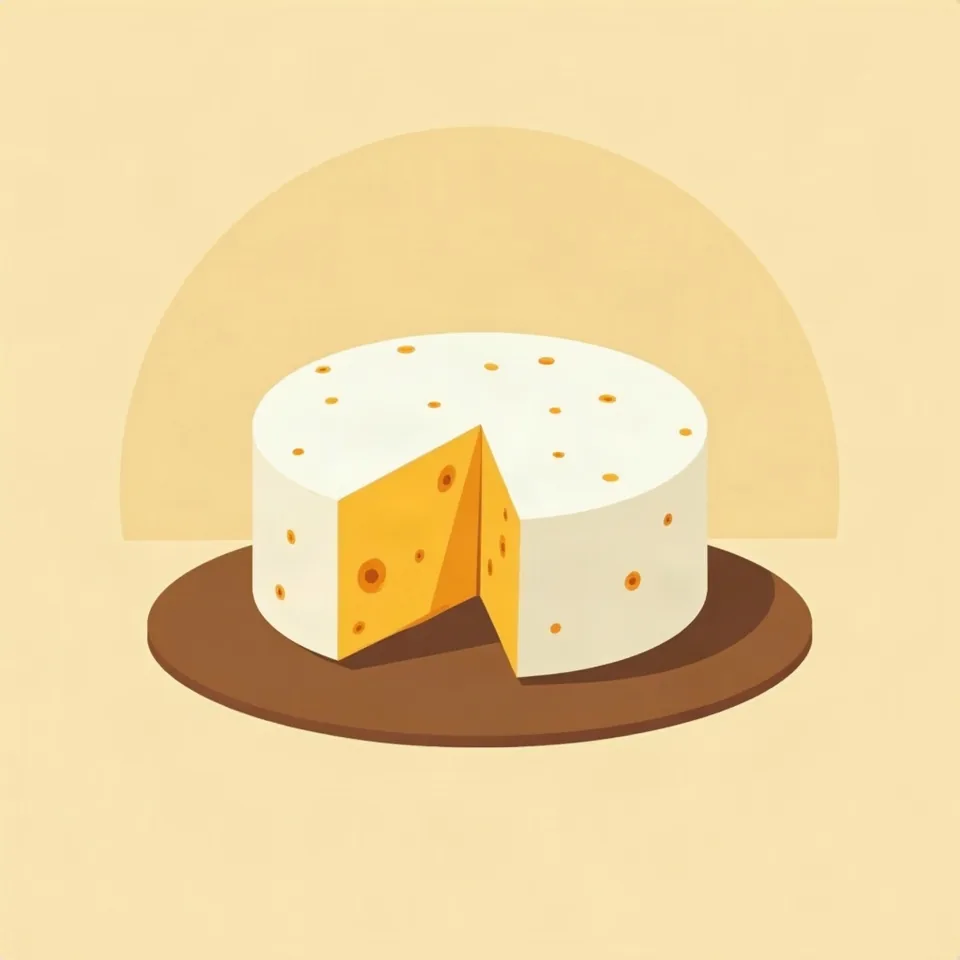
Can dogs eat camembert?
Yes, a dog can eat a small piece of camembert, but only as an occasional treat. It's high in fat and salt, so larger amounts can cause digestive upset or stress the pancreas.
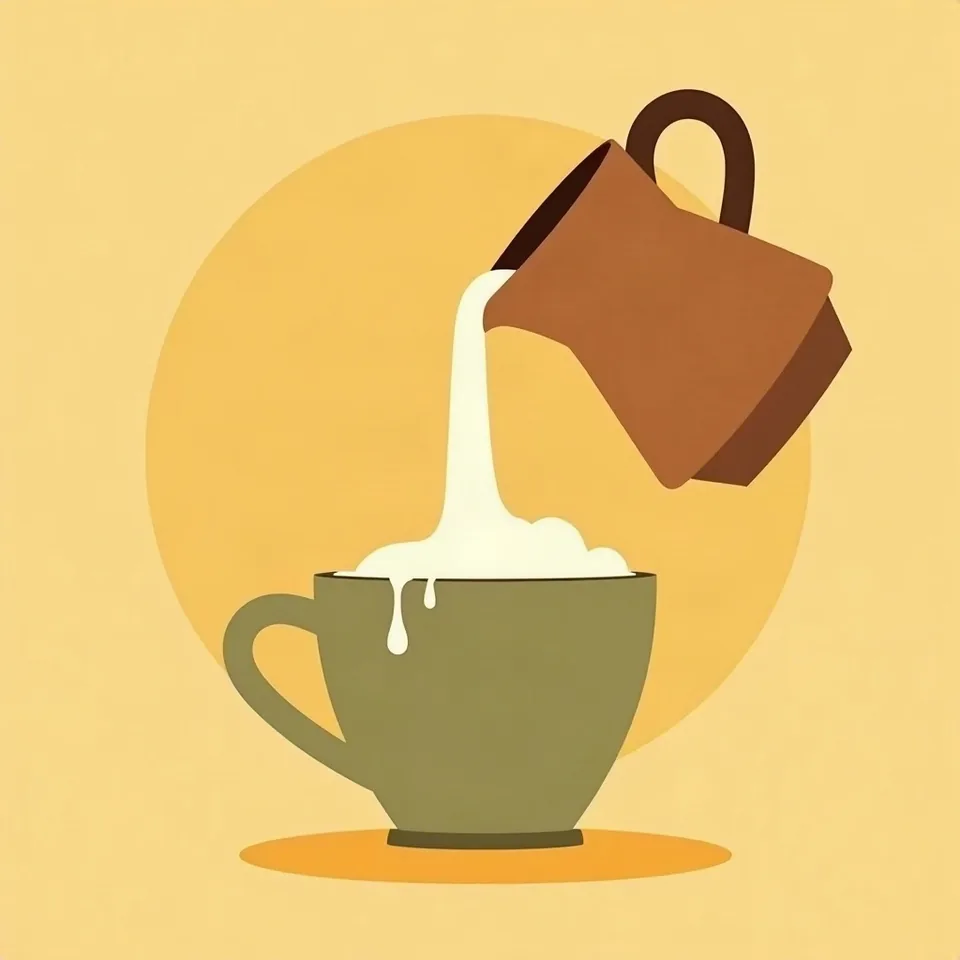
Can dogs eat cream?
No, cream is not recommended for dogs. Like butter, it is a very high-fat dairy product that easily causes digestive upset and raises the risk of pancreatitis.
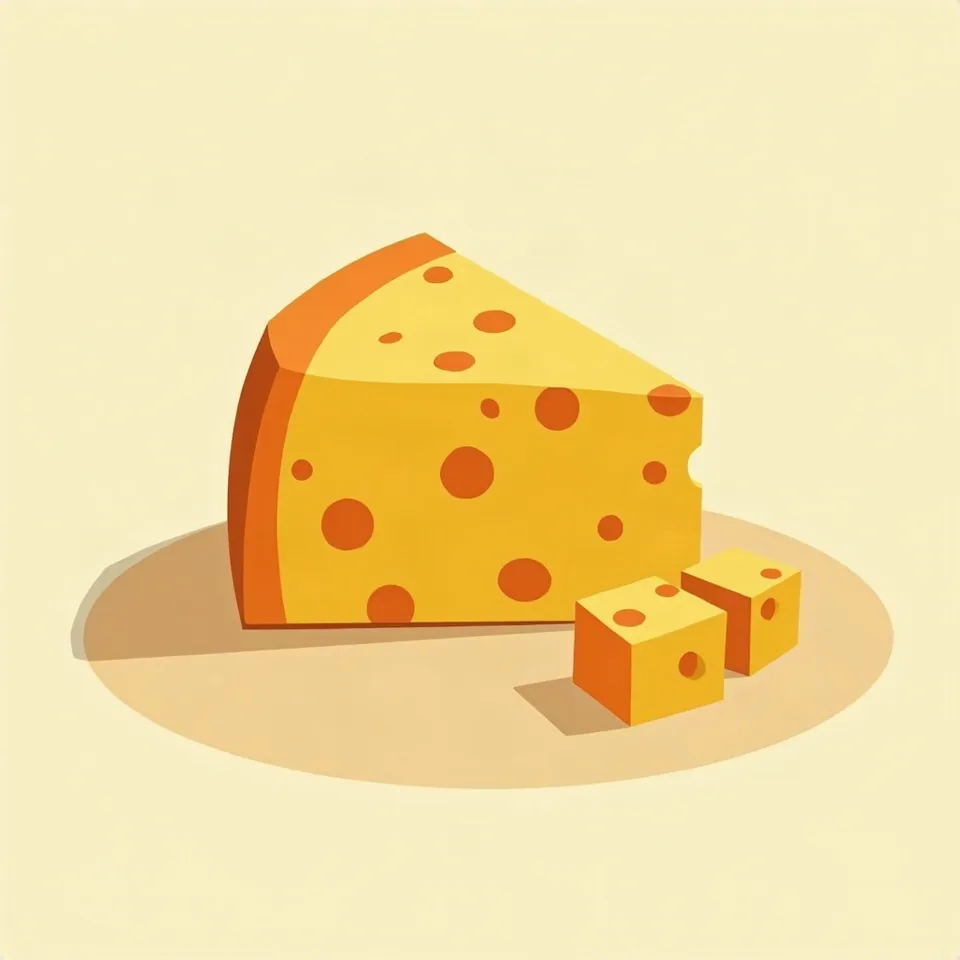
Can dogs eat cheese?
Yes, cheese can be an occasional reward for dogs, ideally a hard, lower-fat variety in small amounts. Because of its fat, salt, and lactose content, though, it should not be a regular part of the diet.
Sources
- Merck Veterinary Manual: Pancreatitis in Small Animals
- ASPCA Animal Poison Control: People Foods to Avoid Feeding Your Pets
Last updated 2 September 2026.