Can dogs eat cheese?
Short answer
Yes, cheese can be an occasional reward for dogs, ideally a hard, lower-fat variety in small amounts. Because of its fat, salt, and lactose content, though, it should not be a regular part of the diet.
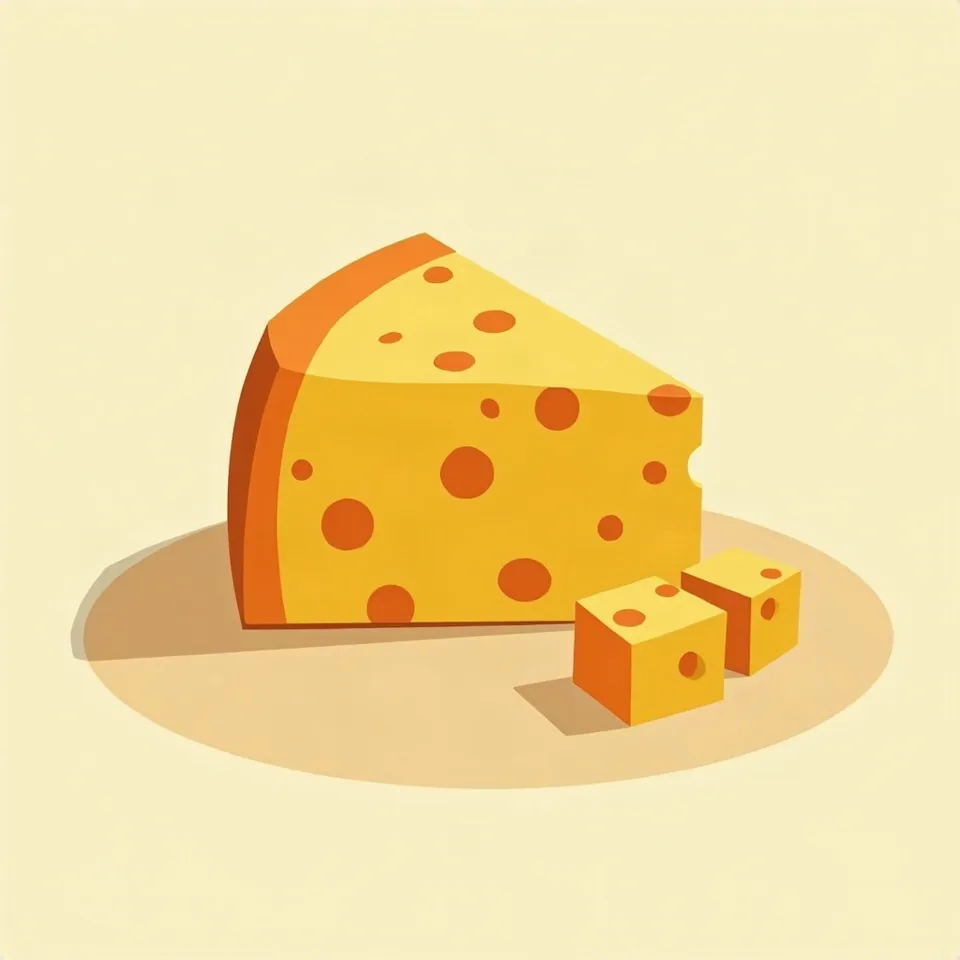
Cheese is a popular training reward because nearly every dog loves it. Here is which cheese works best, why not to overdo it, and which types to avoid entirely.
Why only in moderation
Adult dogs produce much less lactase, the enzyme that breaks down milk sugar, than they did as nursing puppies. Aged, hard cheeses (Swiss, aged Gouda, Parmesan) contain less lactose than fresh dairy products because of the aging process, so most dogs tolerate them better than something like milk.
The main problem with regular cheese feeding is not lactose, it is fat and salt. Cheese is calorie-dense, and frequent feeding contributes to weight gain; in dogs prone to pancreatitis, the higher fat content can trigger an acute flare-up. Salt also increases thirst and puts strain on the kidneys.
Not every cheese is suitable. Blue cheeses (like Roquefort or Camembert) contain compounds produced by the mold that can cause digestive upset or more serious symptoms in dogs, and flavored cheeses with herbs, onion, or garlic are not suitable because of those added, toxic ingredients.
Thanks to its strong flavor and how easily it cuts into small pieces, cheese is a very practical, high-value reward for training. Precisely because dogs love it so much, though, it is easy to overdo the amount. Small cubes used purposefully work better than free feeding as part of a meal.
How to serve cheese
- Choose harder, lower-fat, lower-salt varieties (light mozzarella, cottage-style cheeses, aged Gouda in moderation).
- Cut into small cubes suitable as a training reward, not a full meal portion.
- Avoid blue cheeses and cheeses flavored with herbs, onion, or garlic.
- Introduce a new type of cheese in a small amount and watch for looser stool.
Rough portion
Small dogs: a few small cubes a couple of times a week. Medium dogs: a bit more, still just as a treat. Large dogs: proportionally more, but not daily. Treats, including cheese, should not make up more than 10% of daily calorie intake.
Risks
- Digestive upset (bloating, loose stool) in dogs more sensitive to lactose.
- Weight gain and risk of pancreatitis with regular, large amounts.
- Poisoning from flavored cheeses containing onion, garlic, or chives.
- Nausea or more serious symptoms from blue cheese.
Symptoms to watch for
- Bloating, gas
- Loose stool or diarrhea
- Vomiting
- Abdominal pain, lethargy (with a large amount of fat or blue cheese)
Your dog already ate cheese. What now?
- If your dog grabs a piece of regular cheese, watch for digestive upset over 24 hours; it is usually not a serious problem for a healthy dog.
- Check whether the cheese contained onion, garlic, or chives; if so, contact your vet because of the poisoning risk.
- For blue cheese or a large amount of fatty cheese, watch for signs of pancreatitis (vomiting, abdominal pain, lethargy) and see a vet if they appear.
Common questions about dogs and cheese
Can dogs eat cheese?
Yes, in small amounts and as an occasional reward. Harder, lower-fat, unflavored varieties are better suited than fresh, fatty, or blue cheeses. Regular larger portions are not a good idea, though, because of the fat and salt content.
What is the best cheese for dogs?
Harder cheeses with lower lactose and a reasonable amount of fat and salt tend to be best tolerated, light mozzarella or cottage cheese, for example. Always choose plain varieties without herbs, onion, or garlic.
Why does my dog get diarrhea after cheese?
Most adult dogs have a reduced ability to digest lactose, the milk sugar that is present in cheese too, though in smaller amounts than in milk. In more sensitive dogs, even a small amount of cheese can cause bloating or loose stool.
Is cheddar or mozzarella better for a dog?
Both are fine in small amounts; mozzarella tends to be lower in fat and salt, making it a slightly gentler choice. What matters most is the amount, and making sure the cheese is not flavored with anything harmful to dogs.
Can I use cheese to hide medication?
Yes, a small piece of softer cheese is a popular and effective way to get a dog to take a tablet. Use just enough cheese to wrap the pill, and do not add it on top of your dog's regular daily treat allowance, so the total fat and salt does not add up too high.
Other good treats
Can dogs eat cottage cheese?
Yes, cottage cheese is one of the most easily digested dairy products for dogs. It's low in lactose and high in protein. Even so, it should stay an occasional addition to the diet, not a regular part of it.
Can dogs eat eggs?
Yes, eggs are an excellent source of protein and biotin for dogs, ideally boiled or scrambled without salt or fat. Raw eggs aren't recommended because of the risk of salmonella and reduced biotin absorption.
Can dogs eat chicken?
Yes, cooked chicken with no skin, bones, or seasoning is one of the best and most digestible protein sources for dogs. Vets commonly recommend it as part of a bland diet for stomach upset too.
Can dogs eat yogurt?
Yes, plain yogurt with no added sugar or flavoring can be given to dogs in small amounts as a source of probiotics and calcium, but because of the lactose and the risk of xylitol in flavored versions, keep it occasional and always plain.
More from dairy
Can dogs eat butter?
No, butter isn't recommended for dogs. It's almost pure fat with no useful nutrients to speak of, and even a small amount can cause digestive upset or contribute to pancreatitis in sensitive dogs.
Can dogs eat camembert?
Yes, a dog can eat a small piece of camembert, but only as an occasional treat. It's high in fat and salt, so larger amounts can cause digestive upset or stress the pancreas.
Can dogs eat cream?
No, cream is not recommended for dogs. Like butter, it is a very high-fat dairy product that easily causes digestive upset and raises the risk of pancreatitis.
Sources
- AKC: Can Dogs Eat Cheese?
- ASPCA Animal Poison Control: People Foods to Avoid Feeding Your Pets
Last updated 2 September 2026.