Can dogs eat coconut oil?
Short answer
Yes, but only in small amounts. Coconut oil isn't toxic to dogs, but it's pure fat, so larger doses can easily cause diarrhea, weight gain, or pancreatitis.
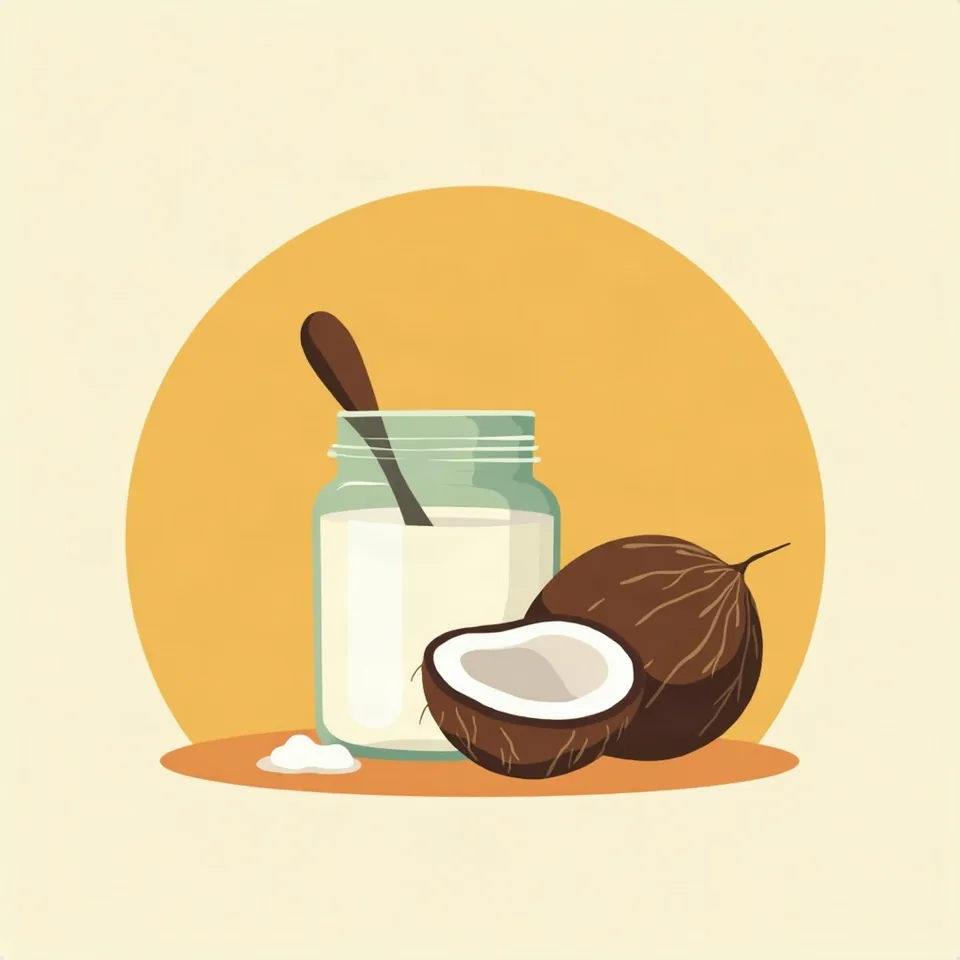
Coconut oil is often added to dogs' food for coat and skin health, though strong evidence for that benefit is lacking. It's 100% fat, so it needs careful dosing. Here's how much is safe and what to watch for.
Why only in moderation
Coconut oil is made up almost entirely of saturated fat, mainly lauric acid. It isn't toxic and won't harm a dog in small amounts. The real issue is energy density: one teaspoon has over 40 calories, which is a noticeable add-on to a small dog's regular diet.
Coconut oil's popularity among dog owners rests mostly on anecdotal reports about coat and skin. Veterinary research hasn't clearly confirmed a benefit in dogs. Lauric acid does show antimicrobial activity in lab tests, but a reliable clinical effect on healthy dog skin hasn't been established.
The risk lies in the high fat content. Dogs with sensitive digestion or a predisposition to pancreatitis (small breeds, Bichons, Yorkies, for example) can react to a larger dose with vomiting, diarrhea, or a painful inflammation of the pancreas. Regularly adding extra fat without adjusting the rest of the diet also leads to weight gain over time.
For dogs with high cholesterol or triglycerides (such as hyperlipidemia seen in Miniature Schnauzers), coconut oil isn't recommended at all, since the added saturated fat load can make the condition worse.
How to serve coconut oil
- Introduce the oil gradually — start with a fraction of the target dose for the first week so digestion can adjust.
- Melt the oil and mix it into kibble or wet food rather than feeding a spoonful on its own.
- Watch stool consistency for a few days after starting — cut back or stop if you see diarrhea or greasy stools.
- Don't add extra oil on top of a food that's already high in fat, and adjust total daily calories accordingly.
Rough portion
Small dogs (under 22 lb): up to ¼-½ teaspoon (about 1-2.5 g / 0.04-0.09 oz) daily; medium dogs (22-55 lb): up to ½-1 teaspoon (about 2.5-5 g / 0.09-0.18 oz) daily; large dogs (over 55 lb): up to 1 teaspoon (about 5 g / 0.18 oz) daily. Dogs with a history of pancreatitis or a fat metabolism disorder shouldn't get coconut oil at all.
Risks
- Diarrhea and vomiting if introduced too fast or given in a large dose.
- Risk of pancreatitis in sensitive breeds and dogs with a history of the condition.
- Weight gain from long-term use without adjusting overall calorie intake.
- Worsening of hyperlipidemia in dogs with fat metabolism disorders.
Symptoms to watch for
- Diarrhea or greasy stool
- Vomiting
- Loss of appetite
- Painful, tense abdomen (possible sign of pancreatitis)
- Lethargy
Your dog already ate coconut oil. What now?
- If your dog licked or ate a small amount of oil, it's usually enough to monitor their stool for the next 24-48 hours.
- If they got into a larger amount at once (like drinking a big dose straight from the jar), skip fatty food for the day and watch for vomiting or abdominal pain.
- If you notice repeated vomiting, severe abdominal pain, or lethargy, see a vet — these can be early signs of pancreatitis.
Common questions about dogs and coconut oil
How much coconut oil can a dog eat per day?
Small dogs should get no more than a quarter to a half teaspoon a day, medium dogs a half to one teaspoon, and large dogs no more than one teaspoon. It's best to start with a smaller amount and watch how their digestion responds.
Does coconut oil help a dog's coat?
Many owners report this, but scientific evidence in dogs is weak. If you try it, dose it carefully and treat it as a supplement to a balanced diet rather than a replacement for proper veterinary skin care.
Can coconut oil cause pancreatitis in dogs?
The oil itself doesn't automatically cause pancreatitis, but it's pure fat, and in sensitive or predisposed dogs (small breeds, dogs with a prior pancreatitis episode) it can trigger a flare-up. For at-risk dogs, it's safer to skip it entirely.
Can puppies eat coconut oil?
It's better to skip it in puppies until their digestion is fully developed and their diet is stable. If you want to try it, give only a minimal amount and watch their stool closely.
Other good treats
Can dogs eat fish?
Yes, well-cooked, boneless fish is a healthy source of protein and omega-3 fatty acids for dogs. Raw fish and fish bones are not recommended, though, because of the risk of parasites, thiamine deficiency, and injury to the digestive tract.

Can dogs eat peanut butter?
Yes, peanut butter without xylitol, added sugar, or salt is a popular, safe treat for dogs in small amounts. Always check the label carefully, since some “light” or high-protein versions contain xylitol, which is deadly to dogs.
Can dogs eat salmon?
Yes, well-cooked, boneless salmon is a healthy source of omega-3 fatty acids for dogs, but raw or smoked salmon should never be fed because of the risk of a serious infection and its high salt content.
More from other

Can dogs eat eggs?
Yes, eggs are an excellent source of protein and biotin for dogs, ideally boiled or scrambled without salt or fat. Raw eggs aren't recommended because of the risk of salmonella and reduced biotin absorption.

Can dogs eat mushrooms?
No, don't give your dog mushrooms picked from the wild or the garden; some species are lethally poisonous. Store-bought button mushrooms or oyster mushrooms in small cooked amounts are fine, but treat anything found outdoors as strictly off-limits.

Can dogs eat tofu?
Yes, dogs can eat tofu in small amounts. It's a safe source of plant protein, but it shouldn't replace meat and can cause bloating or an allergic reaction in sensitive dogs.
Sources
Last updated 10 September 2026.