Can dogs eat mushrooms?
Short answer
No, don't give your dog mushrooms picked from the wild or the garden; some species are lethally poisonous. Store-bought button mushrooms or oyster mushrooms in small cooked amounts are fine, but treat anything found outdoors as strictly off-limits.
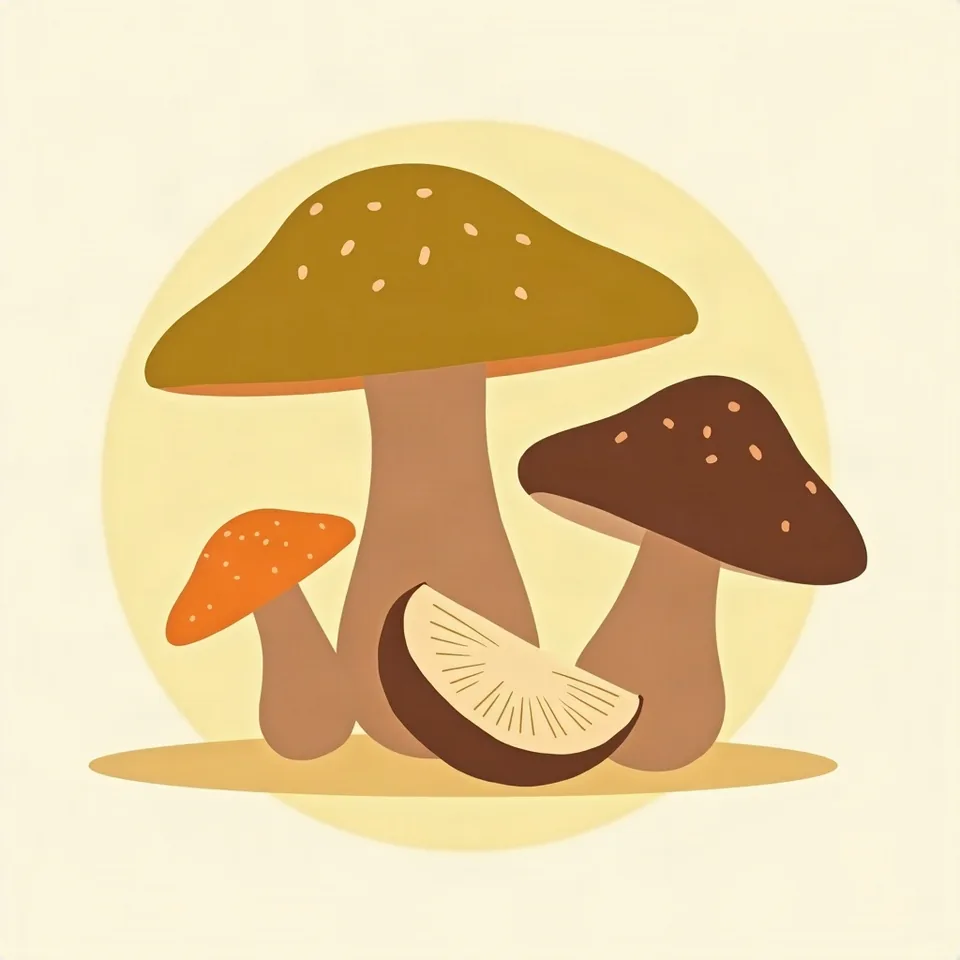
With mushrooms, what matters most is where they came from. Ordinary supermarket mushrooms are harmless in small amounts, but mushrooms found outdoors can include deadly species like death cap. Here's the difference, and what to do if you suspect poisoning.
Why not
Toxic compound: amatoxins (in poisonous wild species).
Common cultivated mushrooms like button mushrooms, oyster mushrooms, or shiitake are non-toxic to dogs in small, cooked, unseasoned amounts. They offer no special nutritional value for a dog, though, and raw mushrooms are harder to digest and can upset the stomach.
The real danger comes from mushrooms growing outdoors, in the yard, a field, or the woods. Dogs often pick them up while sniffing around or playing, and it isn't easy to tell an edible species from a poisonous one. Death cap and related species contain amatoxins, which damage the liver and can be fatal even in small amounts.
Poisoning from toxic mushrooms is deceptive because the first symptoms, vomiting and diarrhea, often don't appear until 6 to 12 hours after ingestion and can temporarily fade while liver damage keeps progressing. It can take several days before liver failure becomes apparent, which makes it easy to underestimate the danger.
Because of the risk of misidentification, the safest approach is to never let your dog lick or eat any mushroom growing outside on a walk, even ones that look harmless. If you grow button mushrooms at home, a small cooked piece without onion, garlic, or salt is fine, though it offers no particular benefit to your dog.
Rough portion
For store-bought button mushrooms: a couple of small cooked pieces on rare occasions won't hurt. For any mushroom found outdoors: zero tolerance. Never give it to your dog, and prevent them from eating any while out on walks.
Risks
- Poisonous wild and garden mushrooms can cause liver, kidney, or nervous system failure.
- Death cap and related species are potentially fatal even in small amounts.
- It's difficult to tell edible and poisonous species apart, especially when immature or partly decayed.
- Raw store-bought mushrooms can irritate the stomach and cause vomiting or diarrhea.
Symptoms to watch for
- Vomiting and diarrhea, often delayed by 6-12 hours
- Excessive drooling
- Loss of coordination, tremors, seizures
- Jaundice, yellowish gums (liver damage)
- Lethargy, collapse in advanced cases
Your dog already ate mushrooms. What now?
- If your dog eats a mushroom outdoors and you don't know the species, treat it as a possible poisoning; this is an emergency.
- If possible, bring a sample of the mushroom, a photo or a piece, to the vet; it helps with identifying the species and choosing treatment.
- Don't wait for symptoms; with dangerous species they can appear hours later, by which point liver damage may already be advanced. Call your vet or an emergency vet immediately.
- If your dog ate extra store-bought button mushrooms, monitoring digestion at home is usually enough, and no treatment is necessary.
Common questions about dogs and mushrooms
Is it dangerous if my dog eats a store-bought mushroom?
No, cultivated button mushrooms are non-toxic to dogs, and a small cooked, unseasoned amount is usually fine. They aren't poisonous mushrooms, so there's no need to panic if your dog grabs a bite from a salad or a slice of pizza.
How do I know if my dog ate a poisonous mushroom on a walk?
Unfortunately it's often impossible to tell right away; symptoms can be delayed, sometimes until the next day. If you saw your dog eating a mushroom outdoors, take it seriously regardless of how it looked, and contact your vet, ideally with a sample or photo of the mushroom.
Why are mushrooms riskier for dogs than for people?
It's not that dogs are more sensitive to mushrooms in general; the risk is mainly that dogs pick up and eat mushrooms indiscriminately on walks, while people forage deliberately and know how to tell species apart. A dog's smaller body weight also means even a small amount of toxin has a proportionally bigger effect.
How do I stop my dog from eating mushrooms in the garden?
Check the garden regularly after rain, when mushrooms grow fastest, and remove any you find, roots included. On walks, practice a solid 'leave it' cue, and during mushroom season stay especially alert and keep your dog on a leash in woods and fields.
Safer alternatives
Can dogs eat broccoli?
Yes, broccoli is safe for dogs in small amounts. It contains isothiocyanates, which in larger doses irritate the digestive tract and cause gas. Stick to small pieces, raw or cooked, with no seasoning.
Can dogs eat carrots?
Yes, carrots are safe for dogs and rank among the best treats you can give them. They're low in calories, full of fiber and beta-carotene, and raw carrots even help clean teeth. Cut them to a size that suits your dog.
Can dogs eat cucumber?
Yes, cucumber is safe for dogs and very low in calories. It's about 95% water, making it a refreshing summer treat and a good option for overweight dogs. Serve it raw, and peel it for dogs with sensitive digestion.
Can dogs eat pumpkin?
Yes, cooked or plain pumpkin flesh is very healthy for dogs, and vets often recommend it to help with digestive upset. Always choose plain pumpkin puree, never pie filling with added sugar and spices.
More from other
Can dogs eat coconut oil?
Yes, but only in small amounts. Coconut oil isn't toxic to dogs, but it's pure fat, so larger doses can easily cause diarrhea, weight gain, or pancreatitis.
Can dogs eat eggs?
Yes, eggs are an excellent source of protein and biotin for dogs, ideally boiled or scrambled without salt or fat. Raw eggs aren't recommended because of the risk of salmonella and reduced biotin absorption.

Can dogs eat tofu?
Yes, dogs can eat tofu in small amounts. It's a safe source of plant protein, but it shouldn't replace meat and can cause bloating or an allergic reaction in sensitive dogs.
Sources
- ASPCA: People Foods to Avoid Feeding Your Pets
- Merck Veterinary Manual: Mushroom Poisoning in Animals
Last updated 2 September 2026.