Can dogs eat sugar?
Short answer
No, plain sugar isn't recommended for dogs. It isn't acutely toxic the way chocolate or xylitol is, but it has no nutritional value, and regular feeding leads to weight gain, tooth decay, and a higher risk of pancreatitis.
Sugar on its own isn't poisonous to dogs, but it isn't beneficial either, it's just empty calories that add to weight, dental problems, and strain on the pancreas. It's especially risky for dogs with diabetes or a tendency toward obesity. Here's why it's better to avoid sugar and how to respond if your dog eats some.
Why not
Sugar (sucrose) isn't acutely toxic to dogs the way chocolate or xylitol is, but a dog's digestion and metabolism aren't built to handle large amounts of simple sugar. It offers nothing but energy, no protein, fiber, or vitamins, just empty calories.
Regular sugar intake leads to weight gain and obesity, which raise a dog's risk of arthritis and heart disease and shorten their lifespan overall. It also increases the risk of tooth decay and gum disease, much as it does in people who eat a lot of sweets and neglect dental care.
In dogs prone to pancreatitis, a high sugar intake, often combined with the fat in sweet treats, can trigger an acute flare-up, a painful and potentially life-threatening condition that requires hospitalization and intensive IV treatment.
Sugar is especially risky for dogs diagnosed with diabetes or predisposed to it. Sharp swings in blood glucose complicate treatment, and a consistently high sugar intake over the long term is also linked to a higher risk of insulin resistance and other metabolic problems.
Rough portion
No amount of plain sugar is recommended; it isn't a suitable treat for dogs in any quantity.
Risks
- Weight gain and obesity from repeated feeding of sugary foods.
- Tooth decay and gum disease.
- Higher risk of pancreatitis, especially combined with fat.
- Worse blood sugar control in dogs with diabetes or a predisposition to it.
Symptoms to watch for
- Vomiting or diarrhea after a large amount at once
- Gradual weight gain
- Increased thirst and frequent urination (a warning sign of diabetes)
- Fatigue and reduced activity
Your dog already ate sugar. What now?
- If your dog licked a little sugar or a sugary drink, it's usually not an emergency, just watch digestion.
- If your dog has regular access to sweets or has diabetes, talk to your vet about their diet.
- See a vet for repeated vomiting, abdominal pain, or lethargy after a large amount of sugar, because of the risk of pancreatitis.
Common questions about dogs and sugar
Is sugar poisonous to dogs?
Not in the true sense, the way chocolate or xylitol is; a one-time small amount of sugar won't cause acute harm. Regular feeding has no benefit, though, and raises the risk of weight gain, tooth decay, and pancreatitis, so sugar isn't recommended as a treat.
Can sugar give a dog diabetes?
The direct link between sugar intake and diabetes in dogs isn't as clear-cut as it is in people, but obesity from excess calorie intake, including sugar, is a known risk factor. In dogs already diagnosed with diabetes, cutting out sugar is essential to managing the disease.
What should I do if my dog eats a lot of sweets at once?
Watch for signs like repeated vomiting, abdominal pain, loss of appetite, or lethargy, which can point to early pancreatitis. Contact your vet if these appear, or if the sweets also contained chocolate or xylitol.
Are artificial sweeteners safer than sugar?
Not automatically; it depends on the specific sweetener. Xylitol is highly toxic to dogs and more dangerous than sugar itself, while some other sweeteners aren't acutely toxic but also offer no nutritional benefit. The safest approach is to avoid sweets for dogs altogether.
Safer alternatives
Can dogs eat apples?
Yes, dogs can eat apples. The flesh is safe, full of fiber and vitamin C, and even gives teeth a light mechanical clean. Always remove the core and seeds, though, and don't feed large pieces at once.

Can dogs eat bananas?
Yes, dogs can eat banana, but only as an occasional treat. It's safe and dogs tend to love it, but it's high in sugar. A small dog only needs 2 to 3 slices, a large dog about half a banana.
Can dogs eat blueberries?
Yes, blueberries are one of the healthiest fruits for dogs. They're small, low in calories, and packed with antioxidants, which is why they're often recommended as a training treat or a snack for older dogs.
Can dogs eat carrots?
Yes, carrots are safe for dogs and rank among the best treats you can give them. They're low in calories, full of fiber and beta-carotene, and raw carrots even help clean teeth. Cut them to a size that suits your dog.
More from sweets
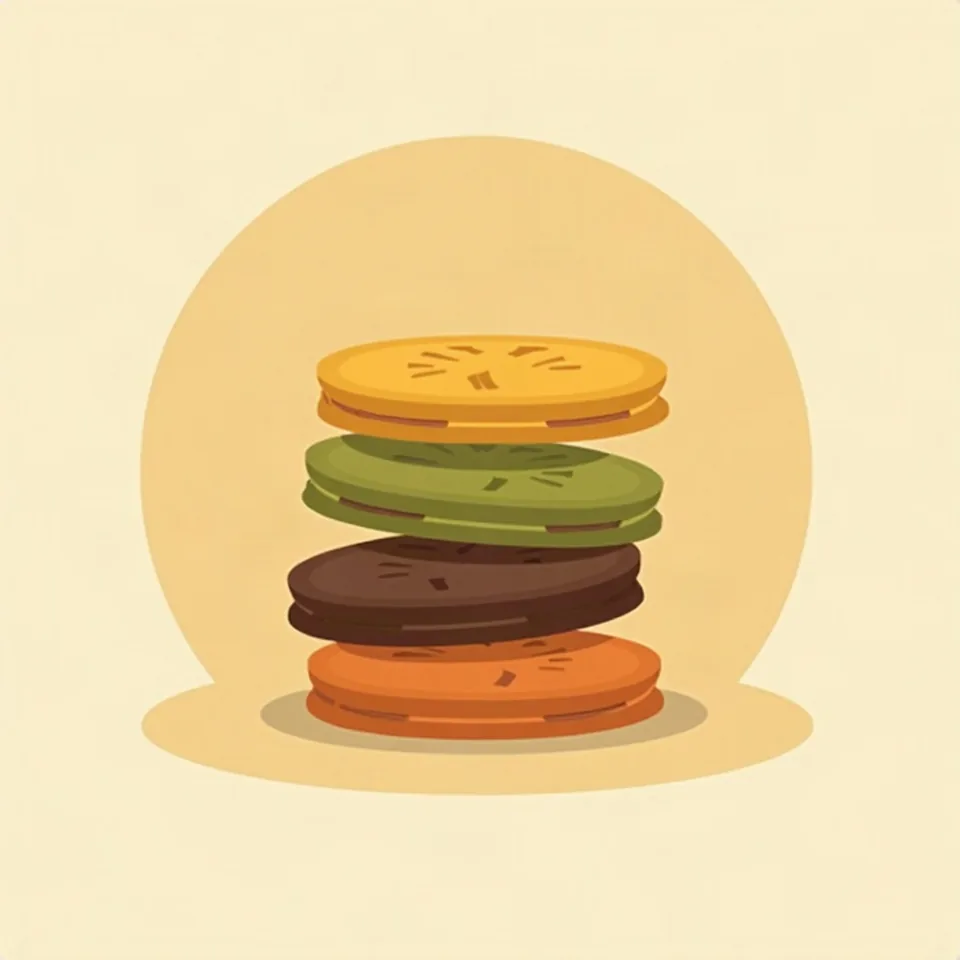
Can dogs eat cookies?
No, regular cookies are not recommended for dogs. They are loaded with sugar and fat with no nutritional value, and many also contain chocolate, raisins, or the sweetener xylitol, all of which are toxic to dogs.
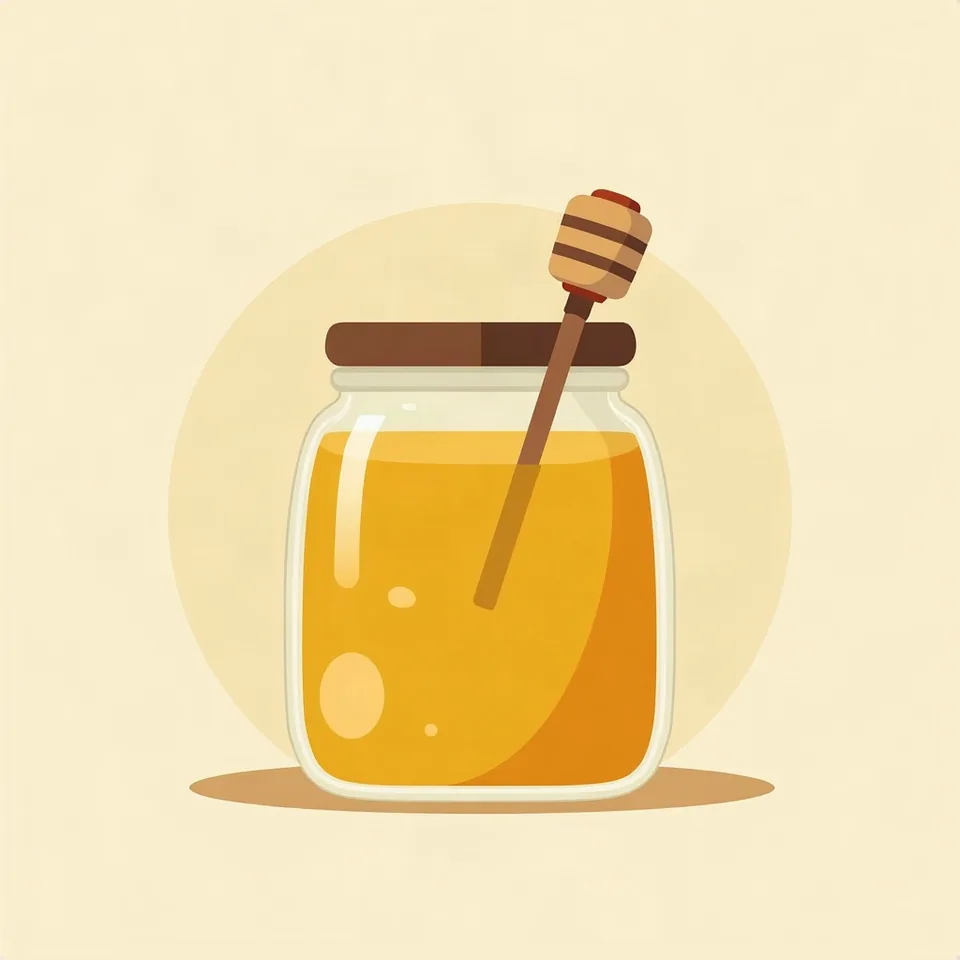
Can dogs eat honey?
Yes, a small amount of honey is safe for a healthy adult dog, and some vets occasionally recommend it as a natural treat. It shouldn't be given to puppies under a year old, diabetic dogs, or dogs carrying excess weight.

Can dogs eat chewing gum?
No. Most sugar-free chewing gum today contains xylitol, which is highly toxic to dogs, even a single piece can be dangerous. Gum with sugar is risky too, because the sticky gum base itself can block the digestive tract.
Sources
- ASPCA Animal Poison Control: People foods to avoid feeding your pets
- WSAVA Global Nutrition Committee: Guidelines on selecting pet foods and treats
Last updated 2 September 2026.