Can dogs eat xylitol?
Short answer
No. Xylitol is highly toxic to dogs. Even a small amount can trigger a sharp drop in blood sugar, and larger doses can cause acute liver failure. Any suspected exposure is always an emergency.
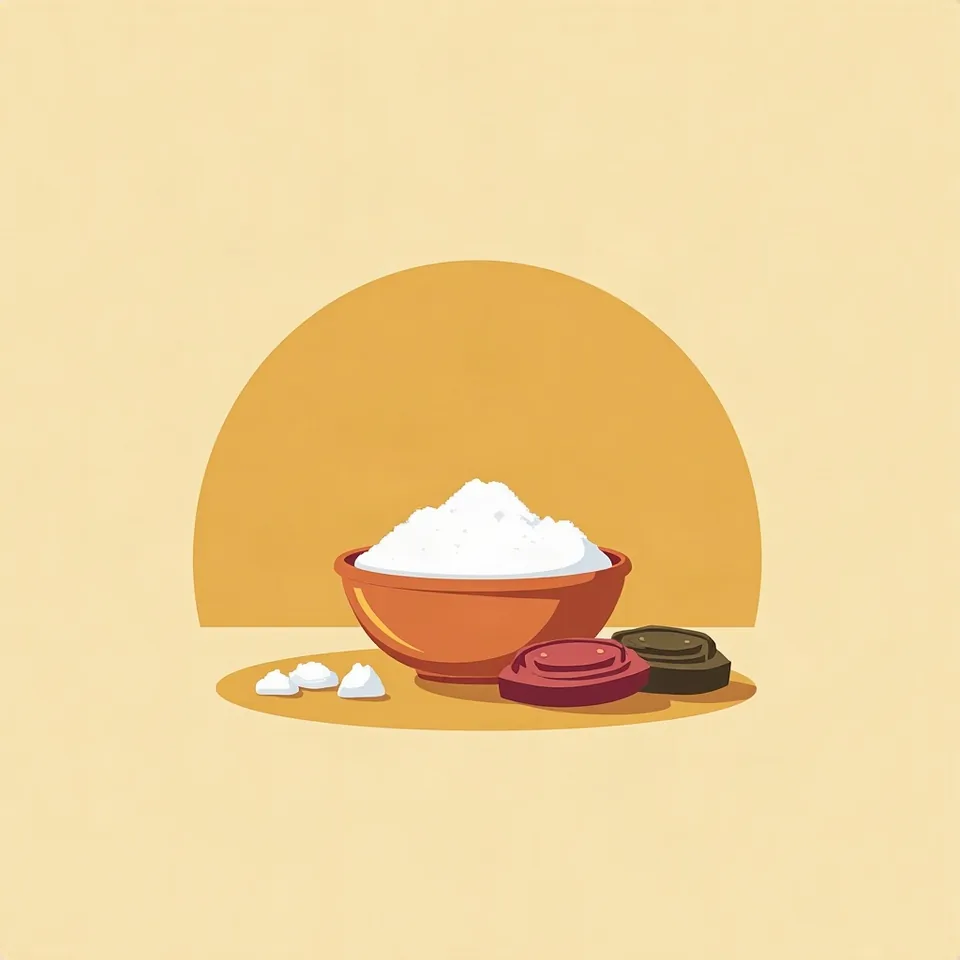
Xylitol is a sugar substitute that's safe for people but triggers a massive release of insulin and dangerous hypoglycaemia in dogs, and liver failure at higher doses. It turns up in chewing gum, diet baked goods, peanut butter and even toothpaste. Here's why it's so dangerous and what to do if you suspect your dog has eaten some.
Why not
Toxic compound: xylitol (birch sugar, E967).
Xylitol is a sugar alcohol made from birch bark or corn waste, and it's essentially metabolically neutral in people. In dogs, though, it triggers a sharp release of insulin from the pancreas, far more dramatic than real sugar would cause, leading to a rapid and dangerous drop in blood glucose.
The toxic dose is extremely low. Hypoglycaemia can occur from as little as around 0.1 g of xylitol per kilogram of the dog's body weight, with symptoms appearing within 30 to 60 minutes of ingestion. From around 0.5 g per kilogram, acute liver failure also becomes a risk, which can show up 12 to 72 hours later.
Xylitol now turns up in far more products than most people realise: sugar-free gum, mints and other sweets, diet or protein baked goods, some peanut butters, mouthwash, toothpaste, and even some chewable vitamins or medications. A single piece of sugar-free gum can contain 0.3 to 1 gram of xylitol, enough on its own to cause serious poisoning in a small dog.
It doesn't always appear on a label under the name xylitol; look out for the terms birch sugar or the code E967 too. Reading the ingredient list on food and everyday toiletries that could end up within your dog's reach is essential, since manufacturers are adding this sweetener more and more often.
Rough portion
No amount of xylitol is safe for a dog. Poisoning is a risk from around 0.1 g per kilogram of the dog's body weight.
Risks
- Sharp hypoglycaemia (dangerously low blood sugar) within 30-60 minutes of ingestion.
- Acute liver failure from a dose of around 0.5 g/kg upward, which can appear as late as 12-72 hours afterward.
- Blood clotting problems as a result of liver failure.
- Without prompt treatment, xylitol poisoning can be fatal.
Symptoms to watch for
- Vomiting
- Weakness, drowsiness
- Loss of coordination, stumbling
- Trembling and seizures
- Collapse
- Jaundice (a sign of liver failure, appearing later)
Your dog already ate xylitol. What now?
- Call your vet or an emergency vet immediately, even if your dog isn't showing any symptoms yet; hypoglycaemia can set in fast and time matters.
- Don't try to make your dog vomit at home without veterinary guidance.
- Bring the product packaging with you so your vet can estimate how much xylitol was consumed.
- Expect hospitalisation with monitoring of blood sugar and liver values for at least 24 to 72 hours.
Common questions about dogs and xylitol
How much xylitol is toxic to dogs?
Hypoglycaemia is a risk from as little as around 0.1 gram per kilogram of the dog's body weight, so for a 10 kg (22 lb) dog, just 1 gram. Acute liver failure becomes a risk from around 0.5 gram per kilogram. Since a single piece of sugar-free gum can contain 0.3 to 1 gram of xylitol, it really doesn't take much for serious poisoning.
What products contain xylitol?
Most commonly sugar-free gum and sweets, diet and protein baked goods, some peanut butters, mouthwash, toothpaste, and chewable vitamins or medications made for people. Check the label for the alternative name birch sugar or the code E967 as well.
How quickly does xylitol poisoning show up in dogs?
The first signs of hypoglycaemia, weakness, vomiting, loss of coordination, usually appear within 30 to 60 minutes of ingestion. Liver damage can show up later, 12 to 72 hours afterward, which is why vets often recommend monitoring or hospitalising a dog for longer even if the early symptoms settle down.
Do I need to see a vet if my dog only ate a small piece of sugar-free gum?
Yes. Because the toxic dose is so low, it's recommended to contact your vet every time, even if you suspect only a small amount was eaten. Waiting to see if symptoms develop is risky, since hypoglycaemia can set in very quickly and treatment works best when it starts as early as possible.
Safer alternatives
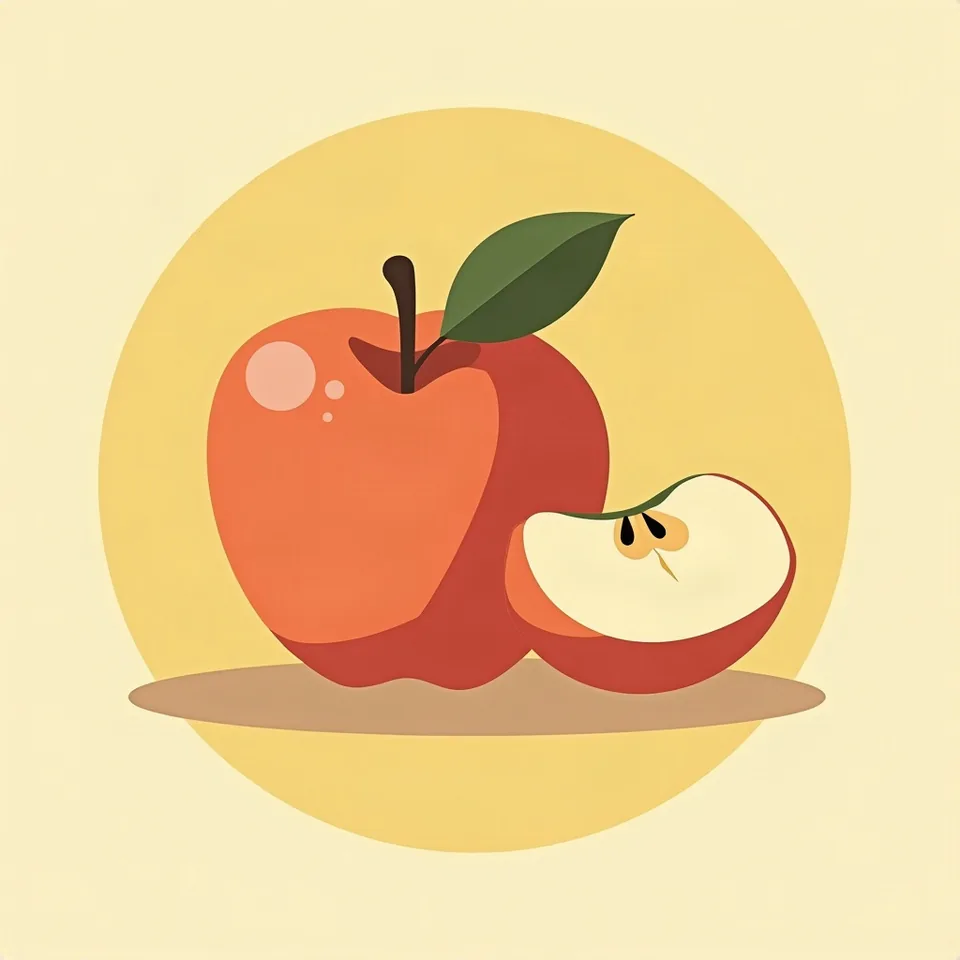
Can dogs eat apples?
Yes, dogs can eat apples. The flesh is safe, full of fiber and vitamin C, and even gives teeth a light mechanical clean. Always remove the core and seeds, though, and don't feed large pieces at once.

Can dogs eat bananas?
Yes, dogs can eat banana, but only as an occasional treat. It's safe and dogs tend to love it, but it's high in sugar. A small dog only needs 2 to 3 slices, a large dog about half a banana.
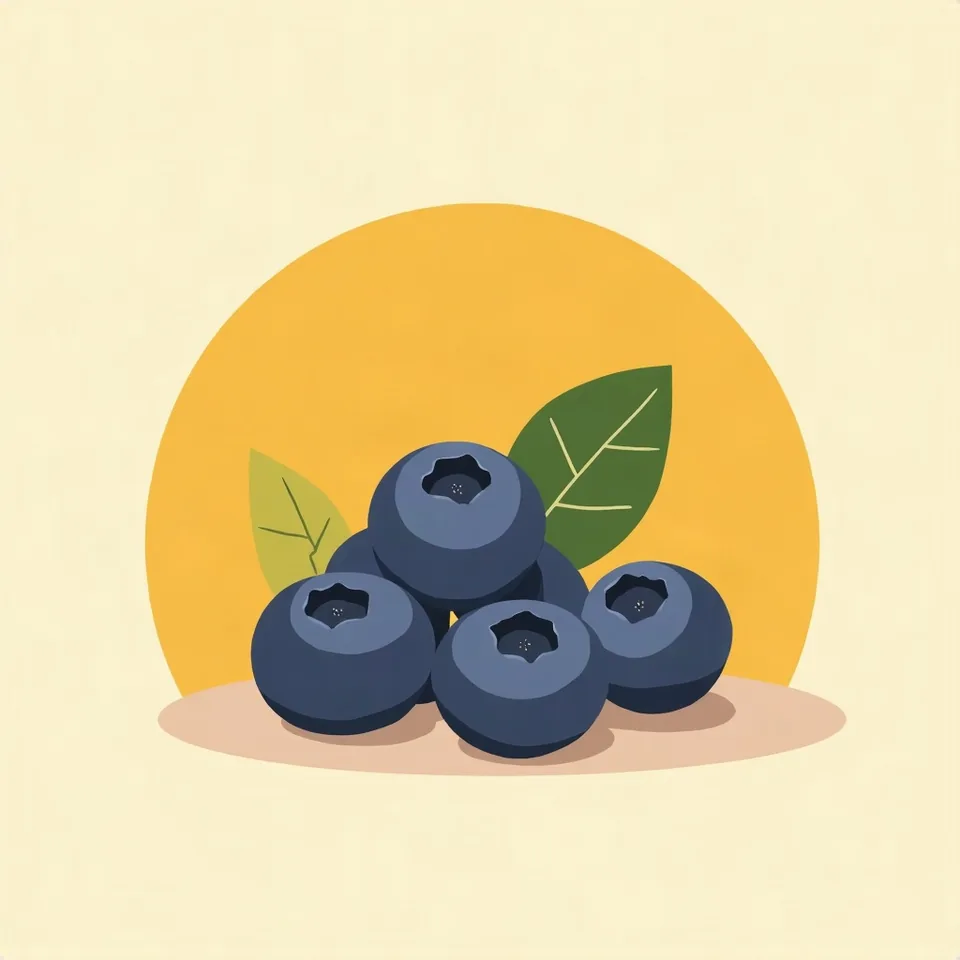
Can dogs eat blueberries?
Yes, blueberries are one of the healthiest fruits for dogs. They're small, low in calories, and packed with antioxidants, which is why they're often recommended as a training treat or a snack for older dogs.
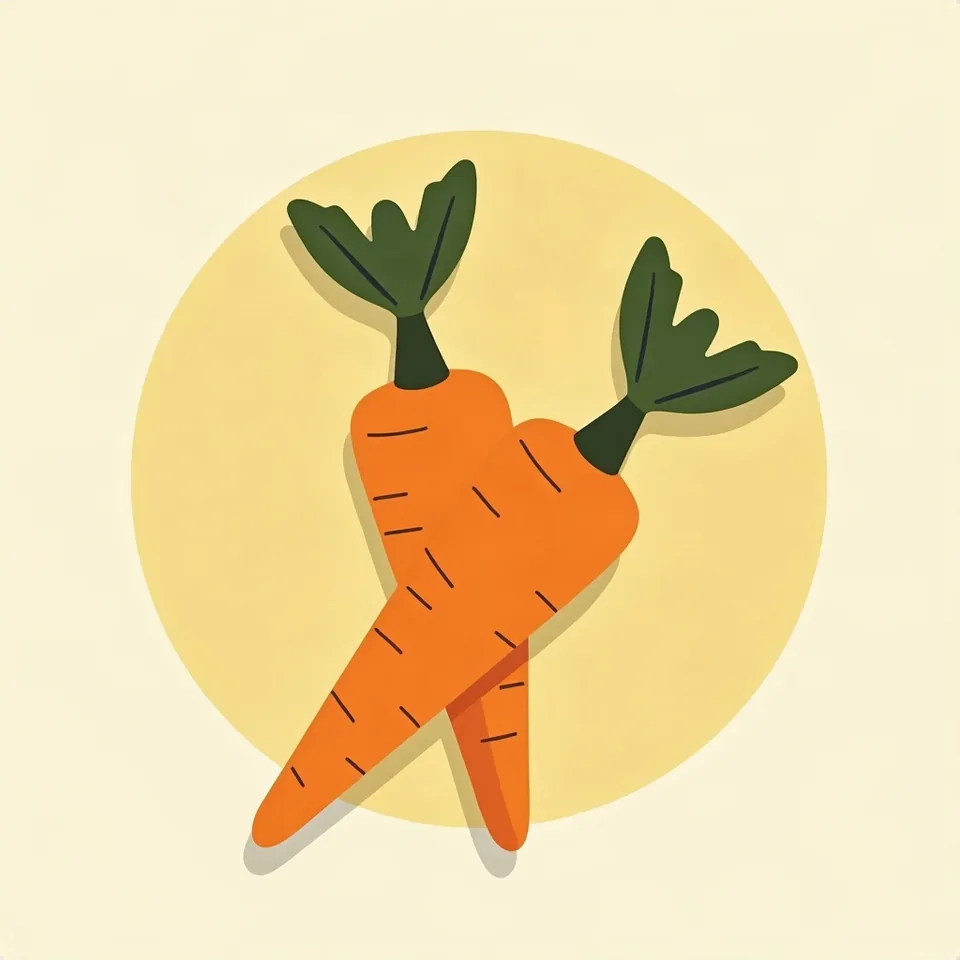
Can dogs eat carrots?
Yes, carrots are safe for dogs and rank among the best treats you can give them. They're low in calories, full of fiber and beta-carotene, and raw carrots even help clean teeth. Cut them to a size that suits your dog.
More from sweets
Can dogs eat cookies?
No, regular cookies are not recommended for dogs. They are loaded with sugar and fat with no nutritional value, and many also contain chocolate, raisins, or the sweetener xylitol, all of which are toxic to dogs.
Can dogs eat honey?
Yes, a small amount of honey is safe for a healthy adult dog, and some vets occasionally recommend it as a natural treat. It shouldn't be given to puppies under a year old, diabetic dogs, or dogs carrying excess weight.
Can dogs eat chewing gum?
No. Most sugar-free chewing gum today contains xylitol, which is highly toxic to dogs, even a single piece can be dangerous. Gum with sugar is risky too, because the sticky gum base itself can block the digestive tract.
Sources
- Merck Veterinary Manual: Xylitol Toxicosis in Animals
- ASPCA Animal Poison Control: People foods to avoid feeding your pets
Last updated 2 September 2026.